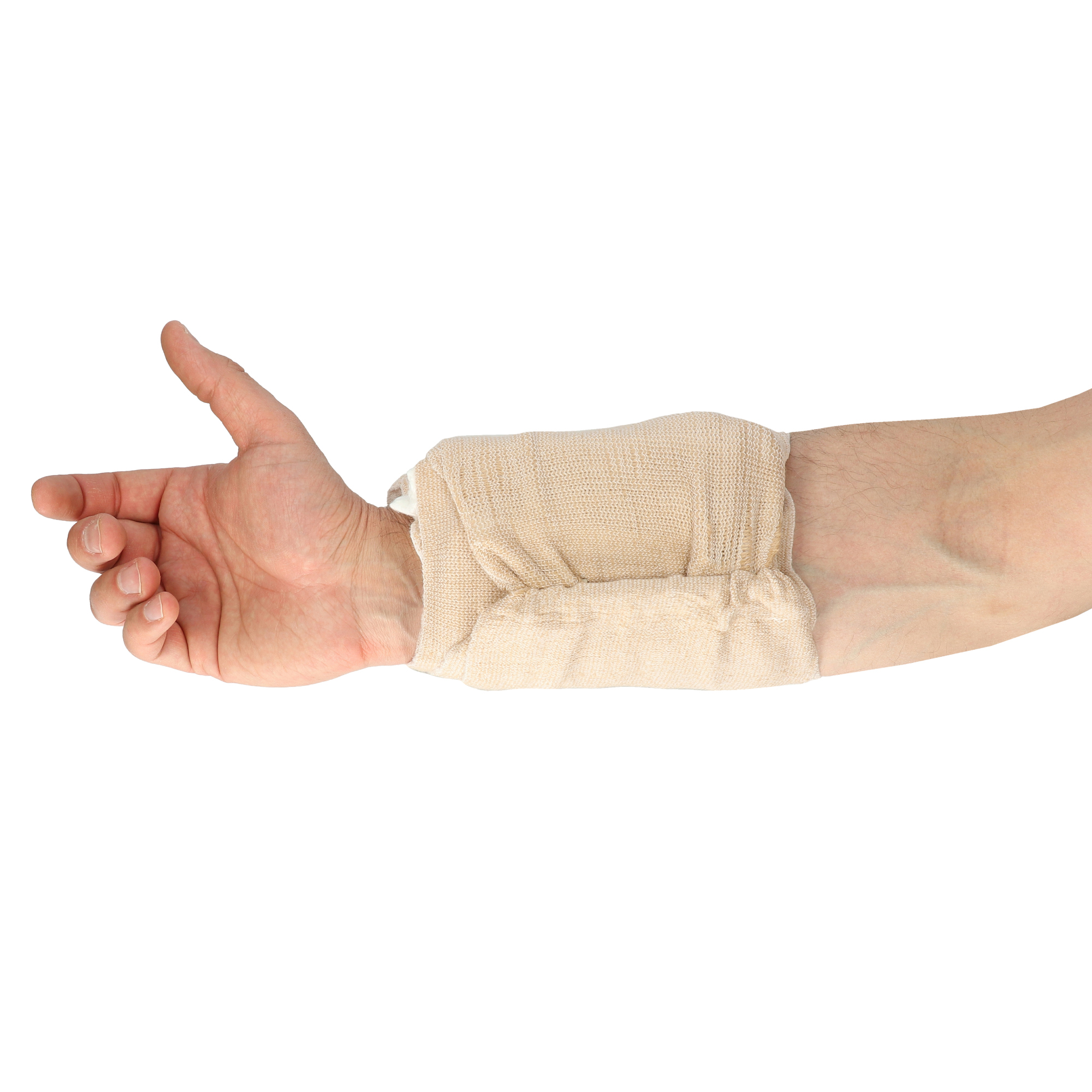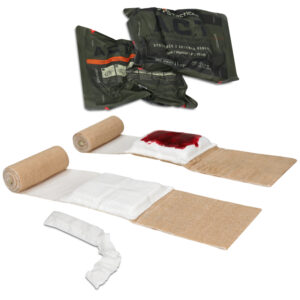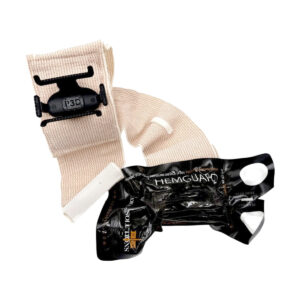
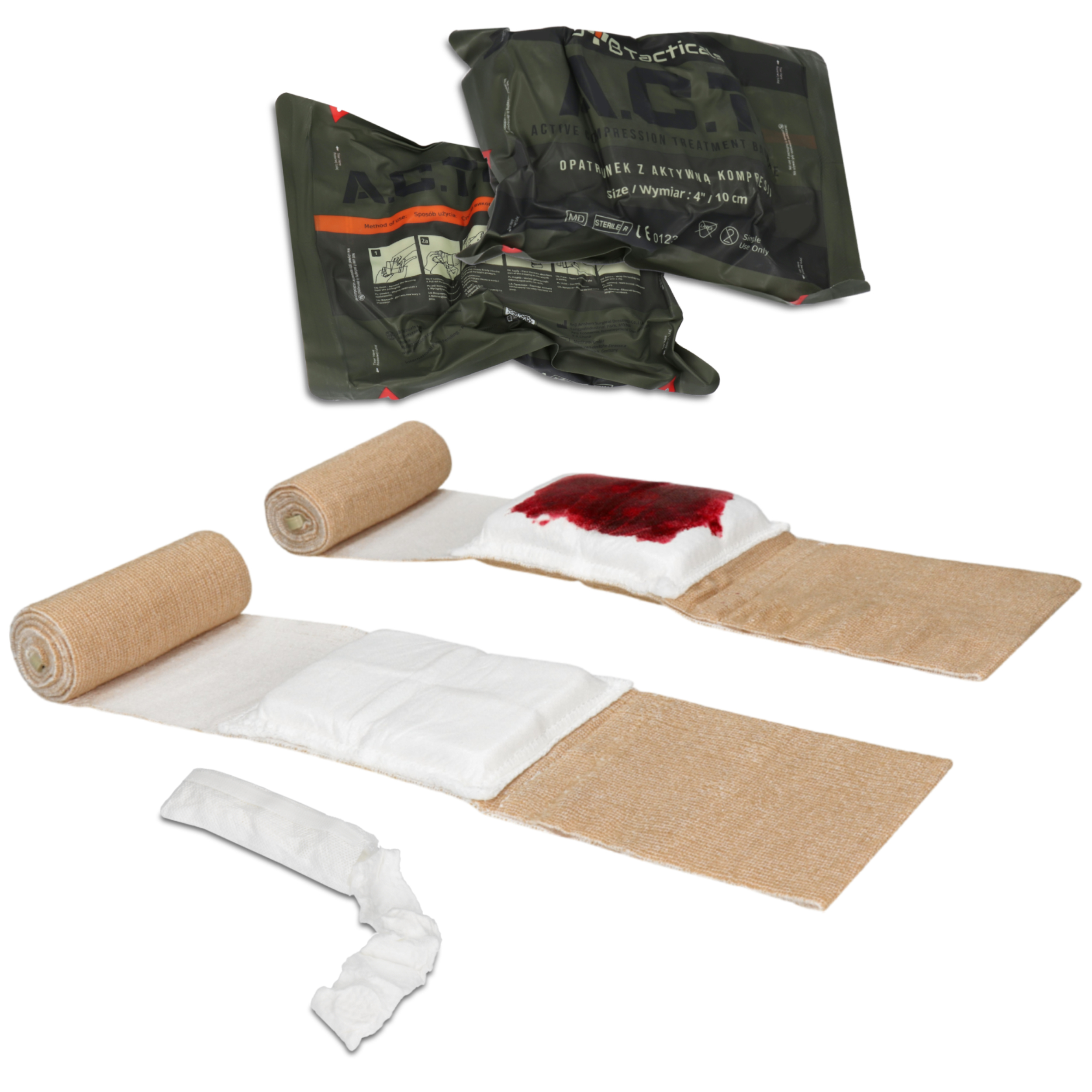
A.C.T. Bandage™ 15 cm

A.C.T. Bandage 15 cm to szersza wersja opatrunku uciskowego z aktywną kompresją – z większym padem i rękawem do pakowania ran z 8 wkładami.

Do rozległych i nieregularnych ran oraz krwawień z kilku miejsc. Order from the Ratowacze Shop!

  • Pad 15 × 13 cm z 6 aktywnymi wkładami – większa powierzchnia ucisku.
  • Rękaw do pakowania ran ok. 90 cm z 8 wkładami.
  • Wkłady zwiększają objętość po kontakcie z krwią.
  • Rzepy wymagające siły i klamra – opatrunek trzyma mocno.

99,99 zł

Available sizes:
10 cm15 cm
- +

A.C.T. Bandage 15 cm to opatrunek uciskowy z rozszerzoną aktywną kompresją, przeznaczony do kontroli masywnych krwotoków, zwłaszcza z ran rozległych i nieregularnych. To szersza wersja systemu A.C.T. (Active Compression Treatment) firmy JB Tacticals – z większym padem i dłuższym rzędem wkładów w module do pakowania ran.

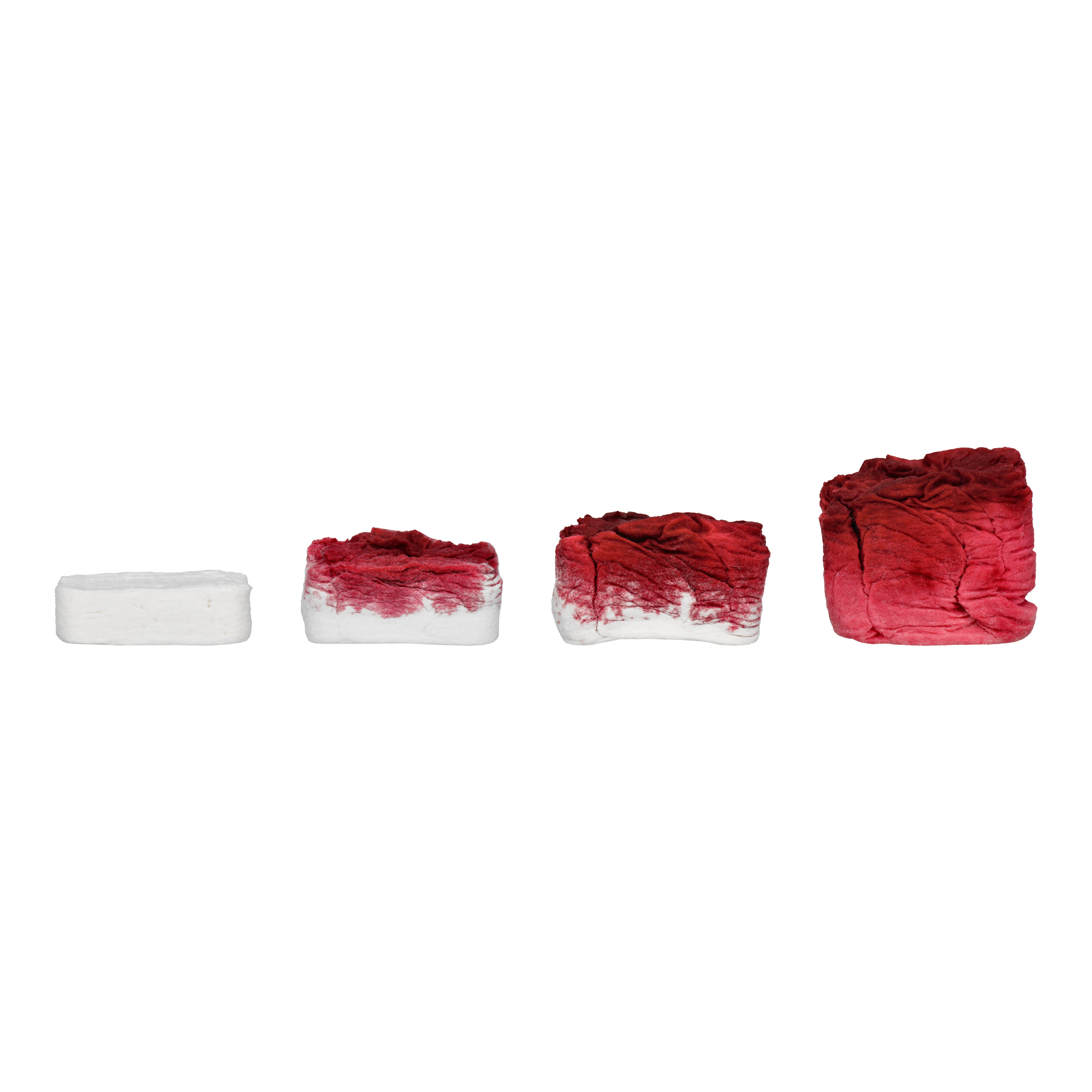
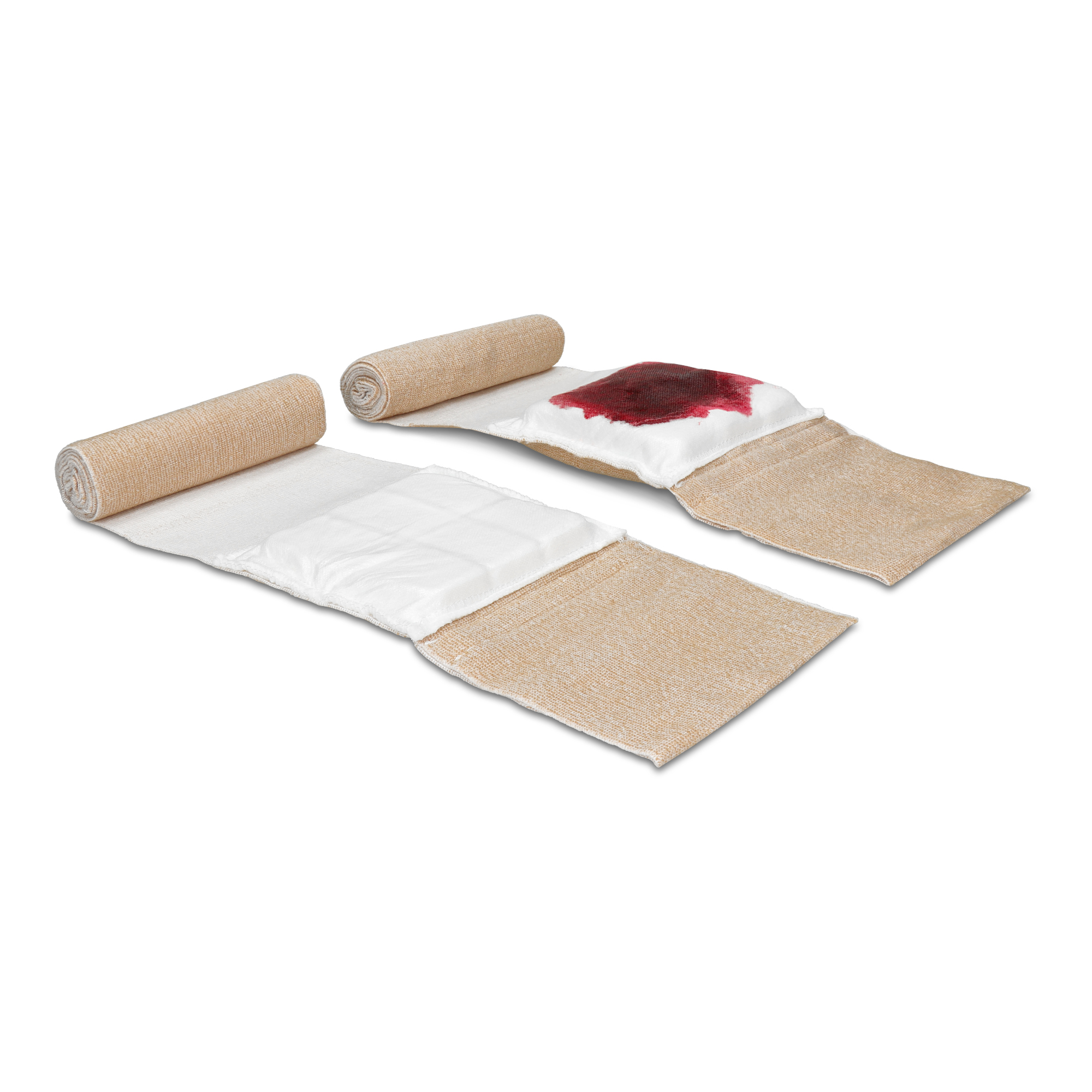
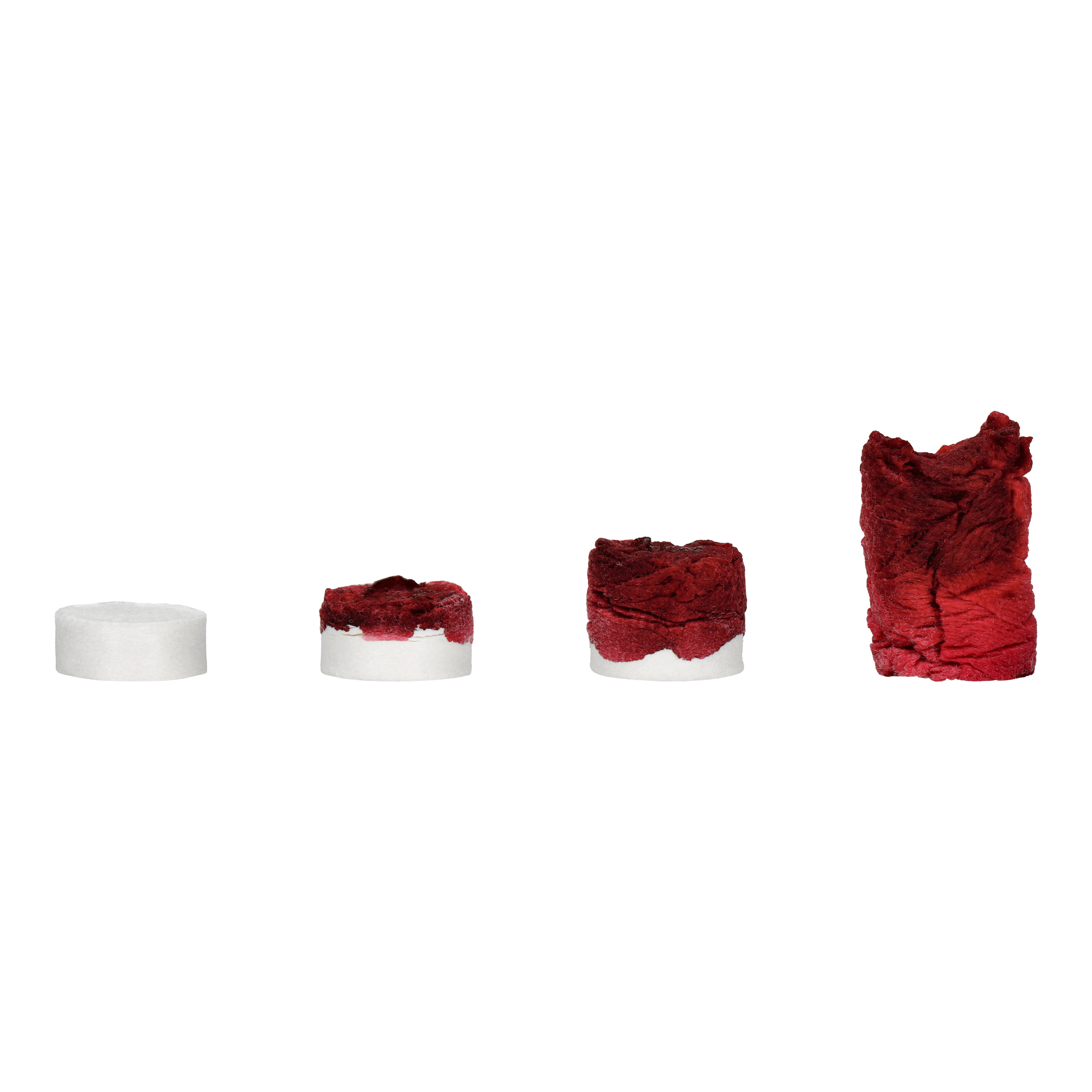
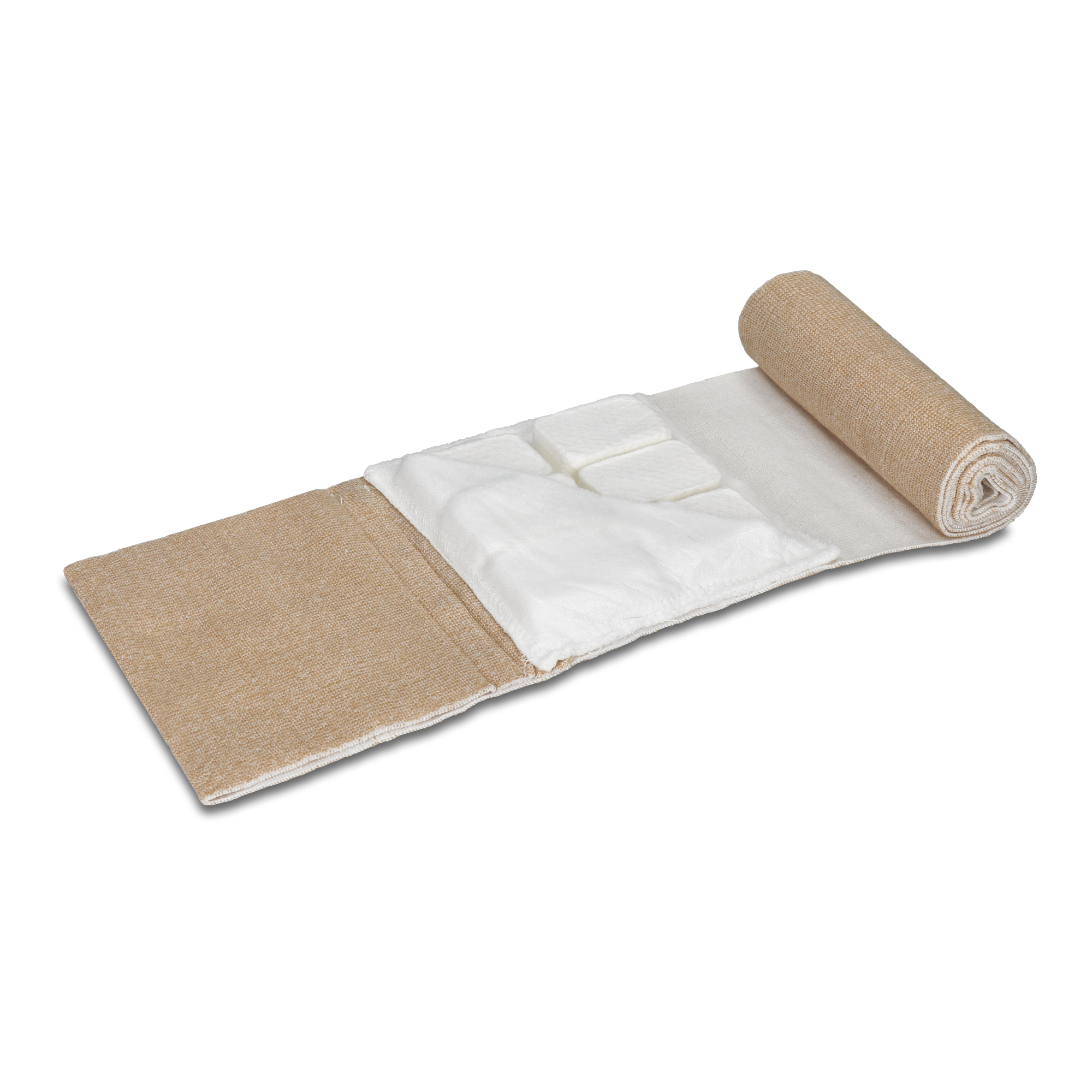
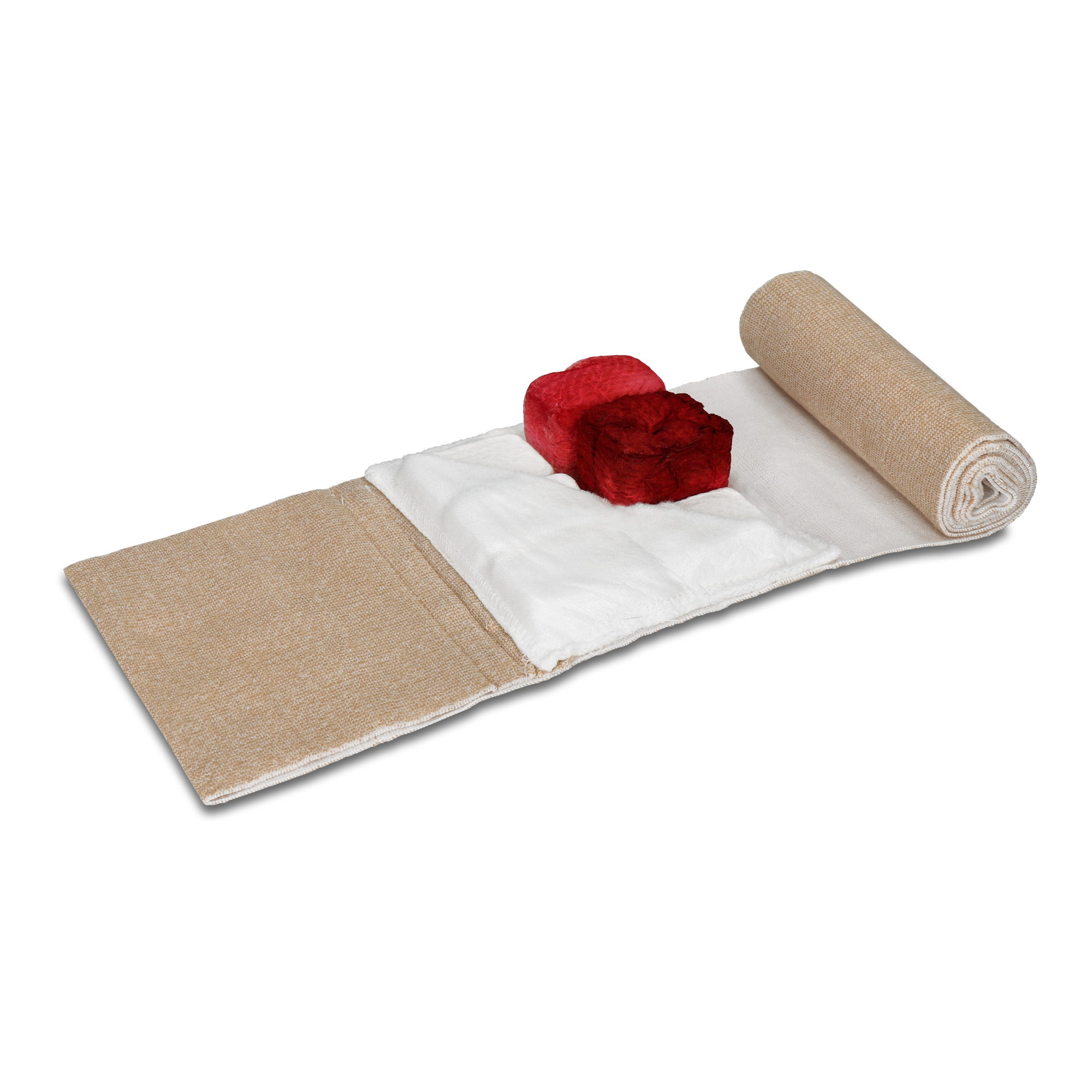
The design combines immediate mechanical pressure with active compression. The segmented absorbent pressure pad has rigid compression inserts across its entire surface, so wide pressure is applied from the very first wrap. On contact with blood the inserts gradually expand – according to the manufacturer up to twice their size – which helps maintain and increase pressure over time.
How active compression works
A.C.T. Bandage wkłady uciskowe na całej powierzchni pada

Pressure across the whole pad
The segmented layout of rigid compression inserts generates wide mechanical pressure from the very first wrap of the dressing.
A.C.T. Bandage aktywacja wkładów po kontakcie z krwią

Insert activation
On contact with blood the inserts gradually expand, extending compression over a larger area.
A.C.T. Bandage schemat aktywacji wkładów kompresyjnych

Expansion diagram
Dry insert, contact with blood, fluid absorption and expansion show how active compression works over time.
A.C.T. Bandage porównanie suchego i aktywnego wkładu kompresyjnego

Dry vs active
The comparison shows that an active insert can double in volume on contact with blood, widening the compression area and helping to maintain pressure over time.

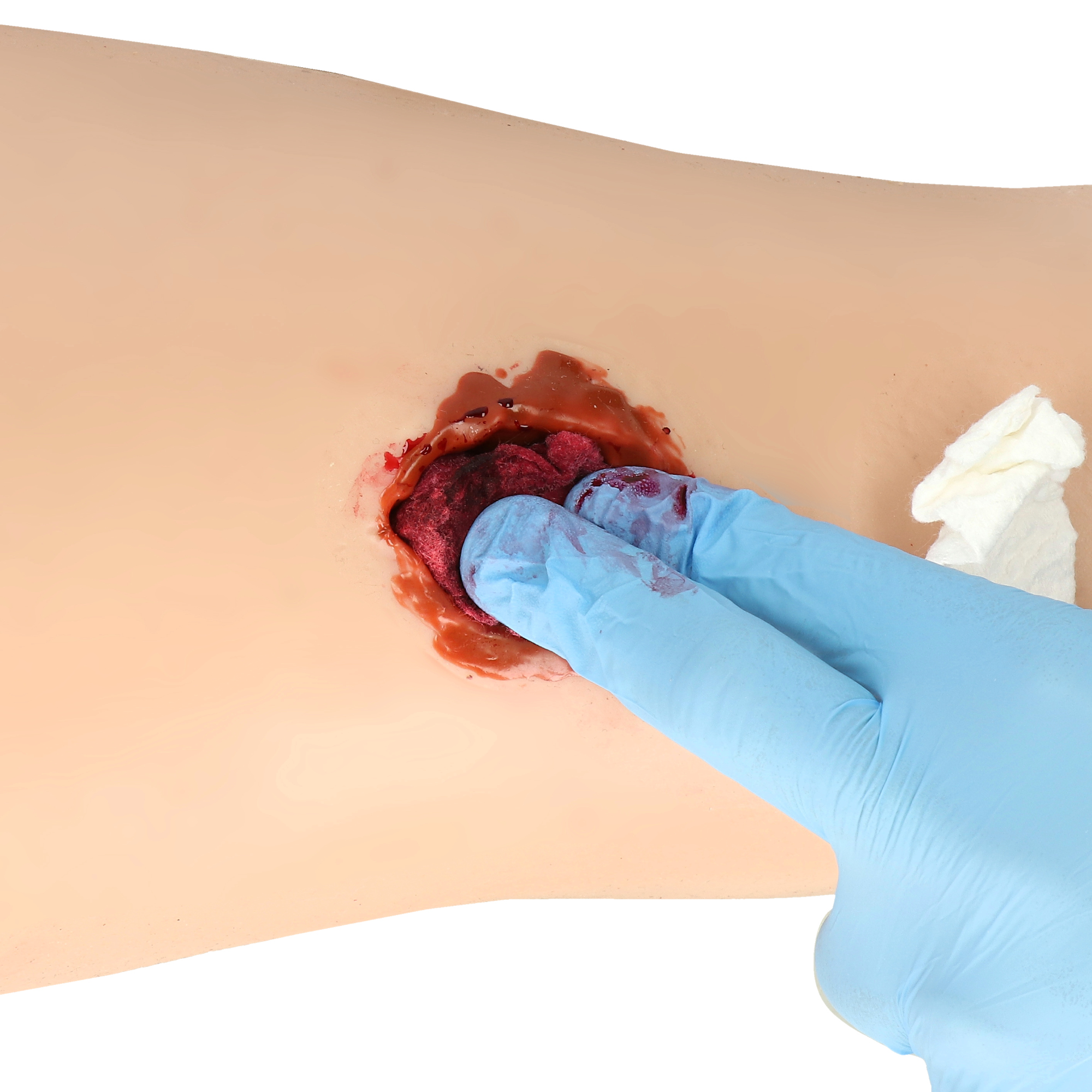
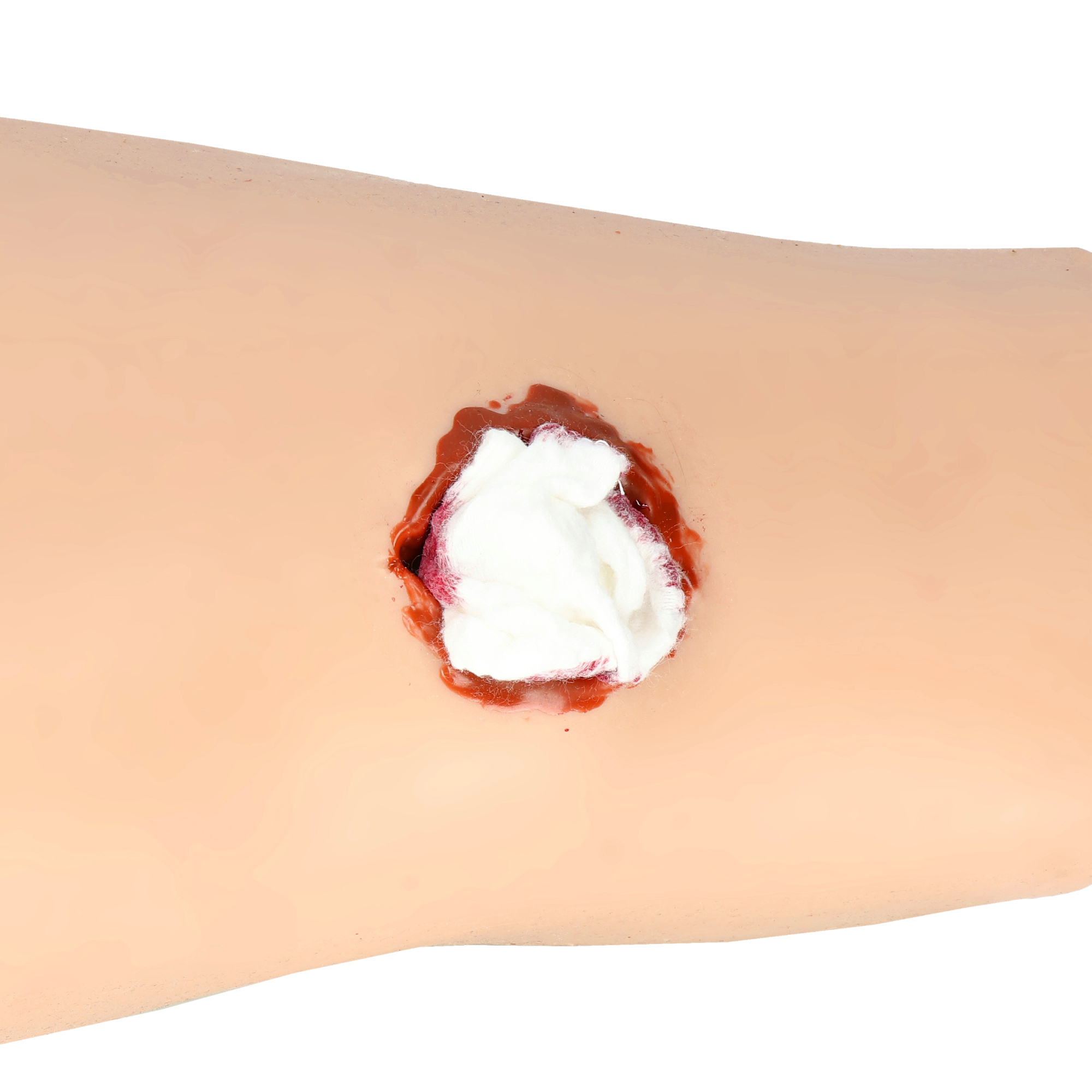
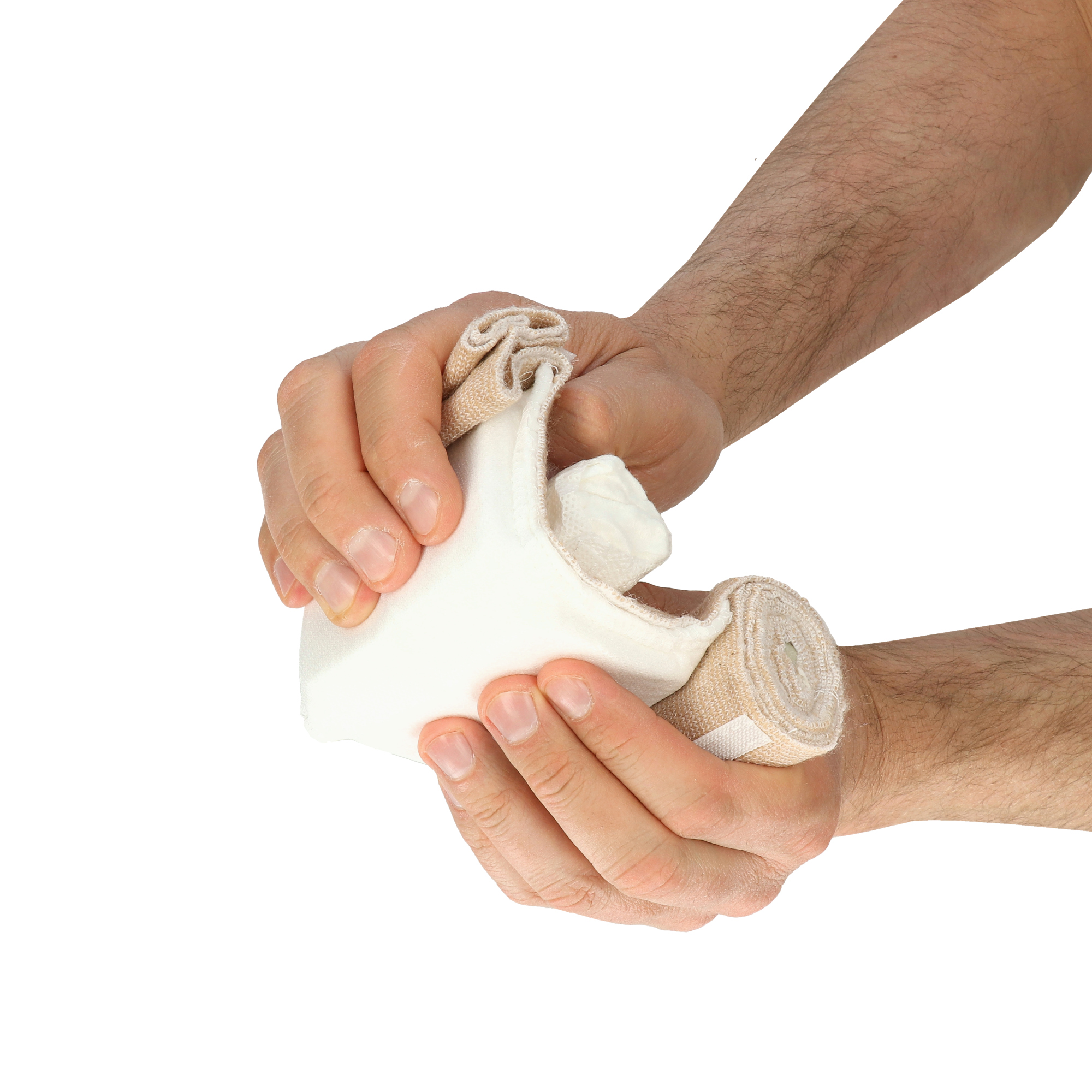
The integrated wound packing module is an approx. 90 cm sleeve with active inserts used to pack a deep wound from its deepest point, layer by layer, while keeping pressure on the source of bleeding. The final section of the sleeve has no inserts, which makes it easier to work in a narrow, deep wound channel. The folded module can also serve as an additional pressure point under the bandage.
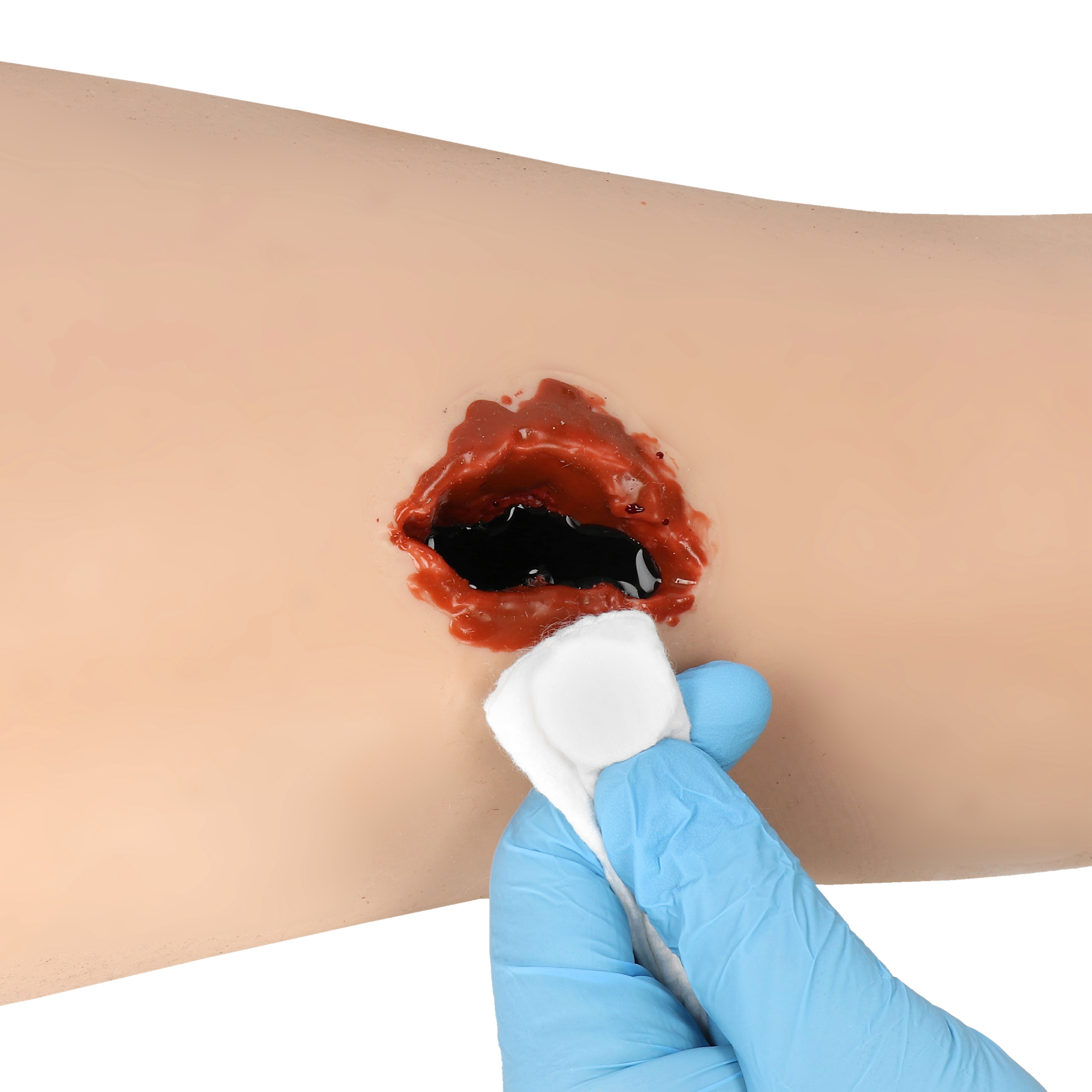
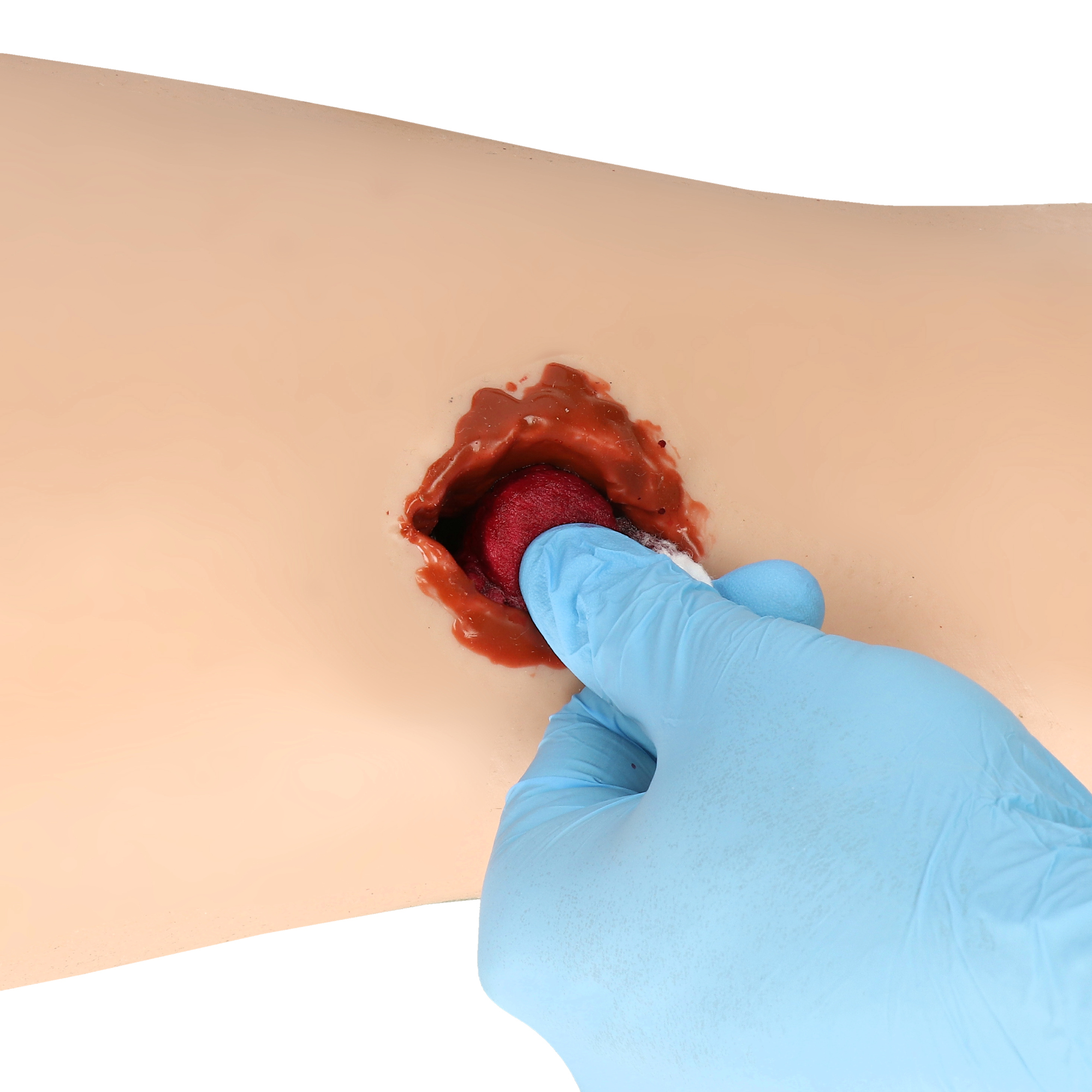
Wound packing step by step
A.C.T. Bandage ocena głębokości rany przed pakowaniem wound packing

1. Assess the wound
Locate the source of bleeding and start packing with the ready-made sleeve with active compression inserts.
A.C.T. Bandage wprowadzanie modułu wound packing do rany

2. Insert the module
Start filling the wound from the deepest point of the injury.
A.C.T. Bandage warstwowe pakowanie rany modułem aktywnej kompresji

3. Pack in layers
The successive segments of the module allow gradual, controlled packing of the wound cavity.
A.C.T. Bandage rana wypełniona modułem wound packing

4. Fill the wound cavity
The wound should be packed tightly, leaving no empty spaces.
A.C.T. Bandage wizualizacja objętości modułu wound packing

5. How much space can it fill?
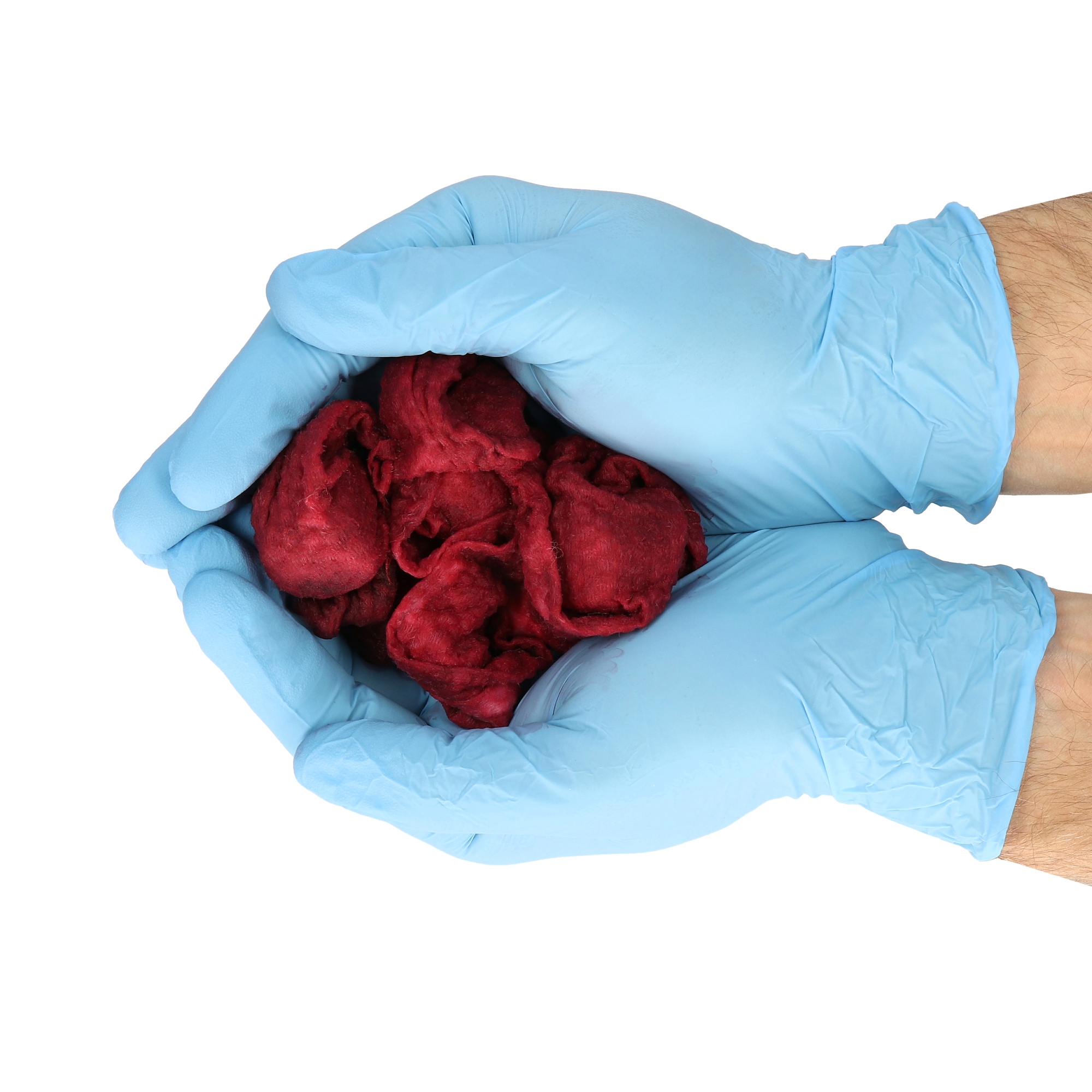
Cupped hands show the volume that the activated 90 cm wound packing module can fill.
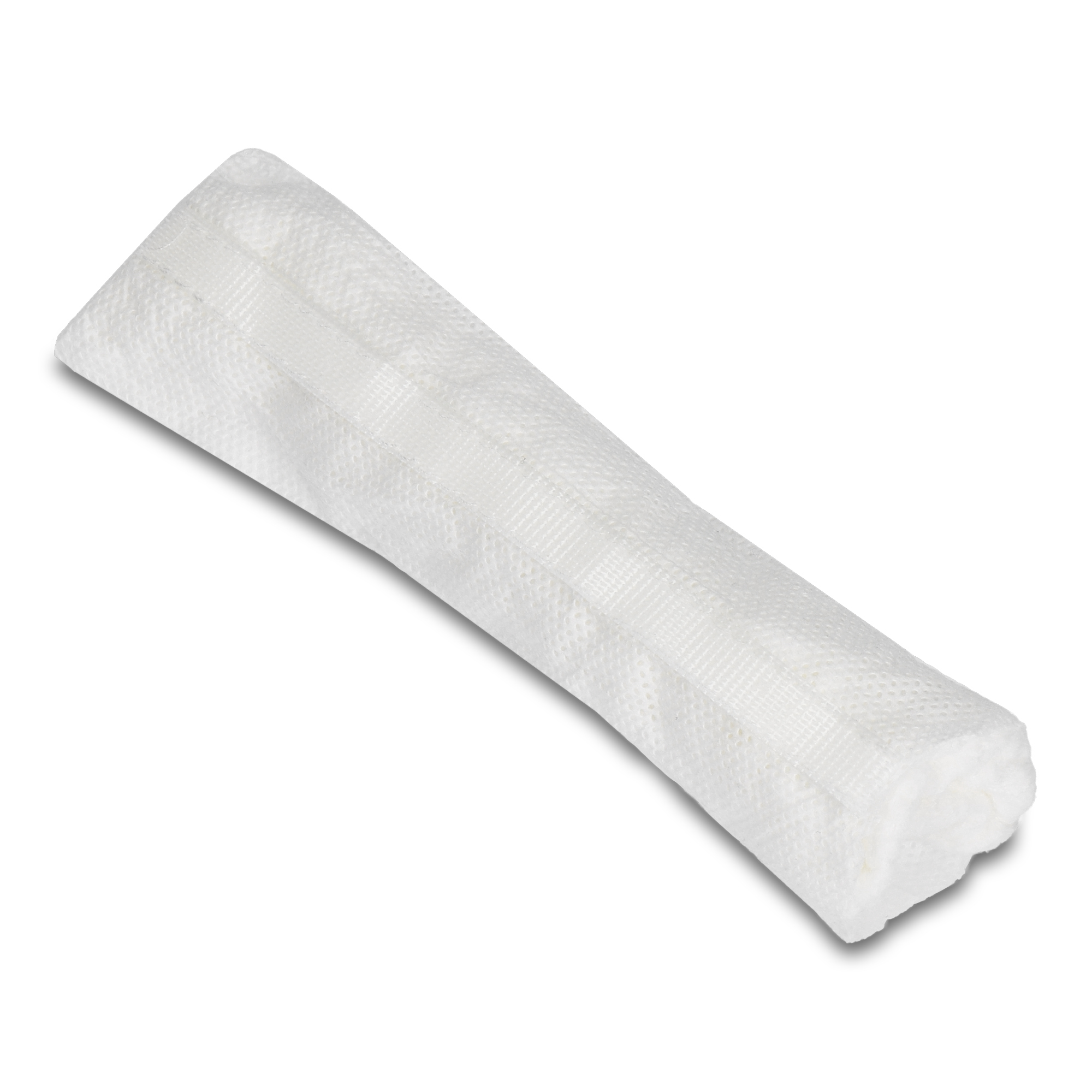
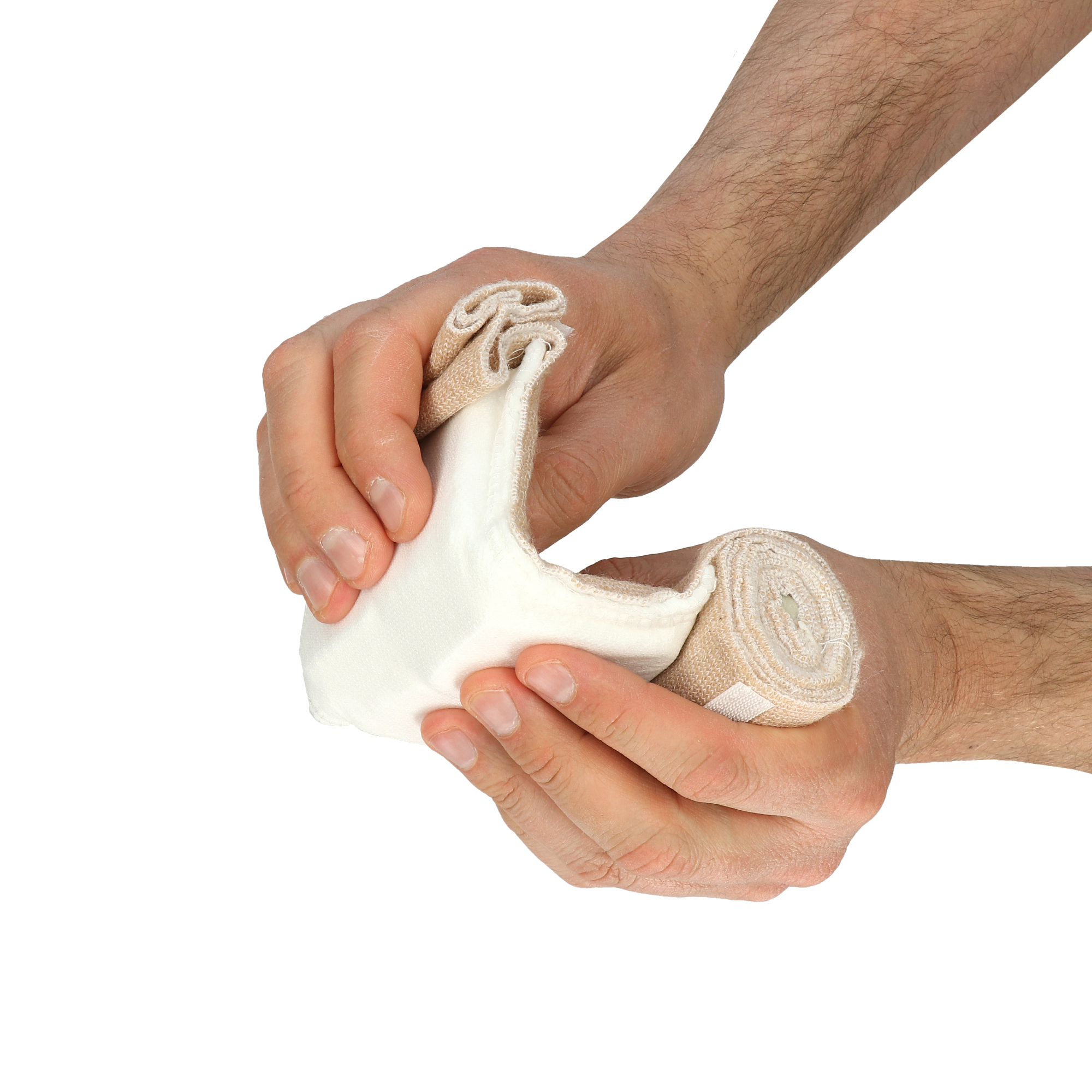
Wound packing module
A.C.T. Bandage moduł wound packing z systemem stabilizacji

Wound packing module
A factory-prepared wound packing module with a hook-and-loop fastener for stabilisation and for use as an additional pressure element.
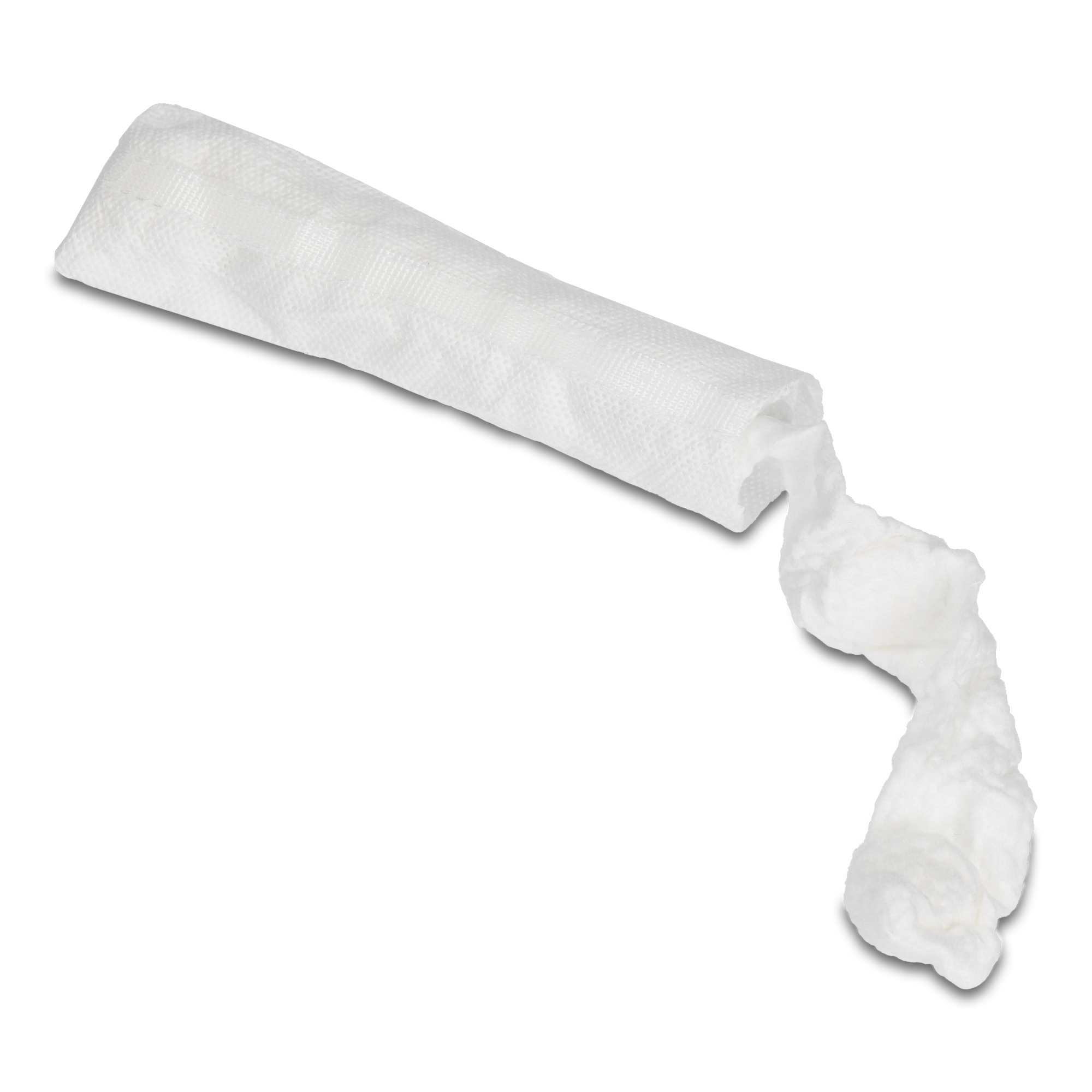
A.C.T. Bandage rozwinięty moduł wound packing

Unfolded module
The sleeve with active inserts sits inside the module and allows rapid packing of deep and irregular wounds.
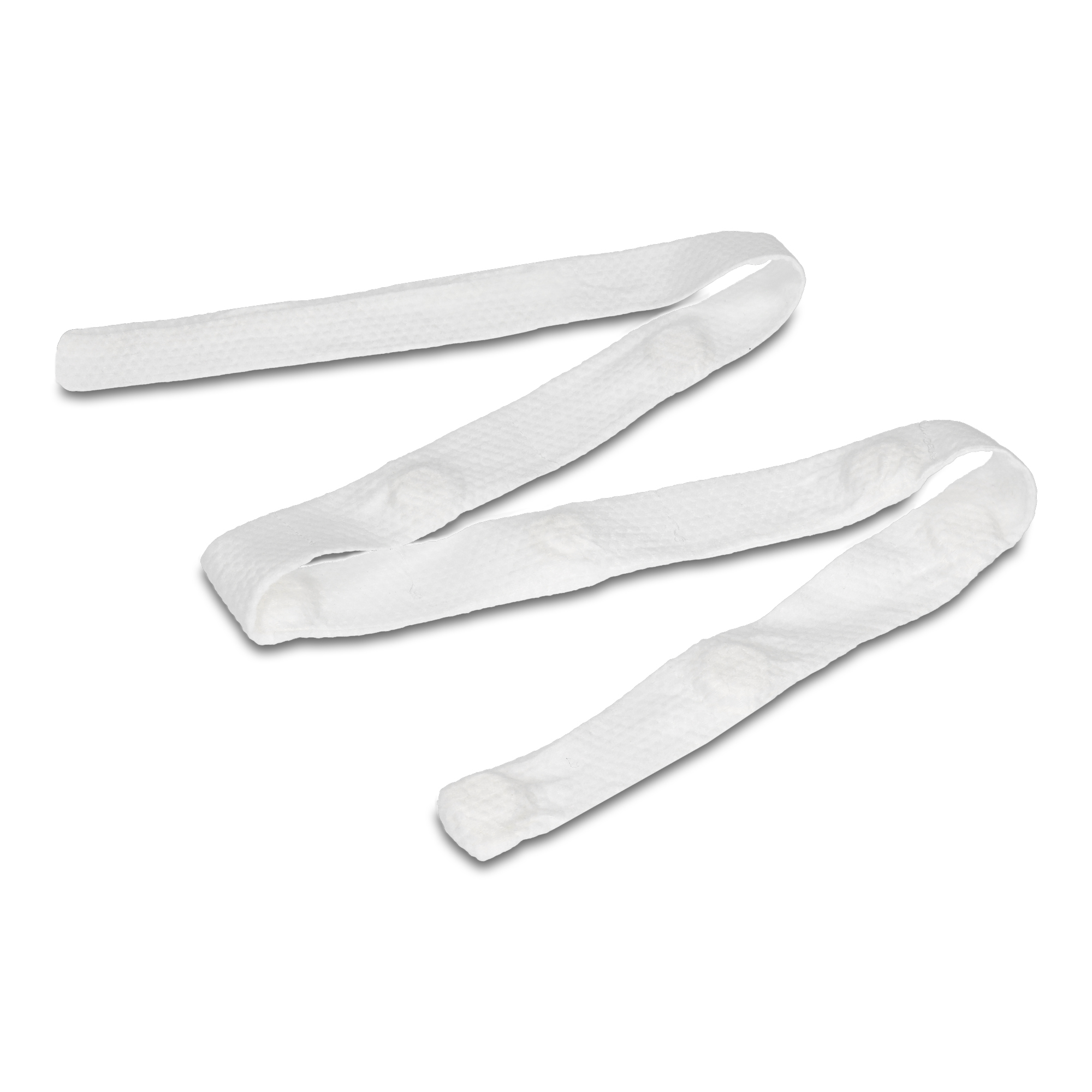
A.C.T. Bandage rękaw do pakowania ran z aktywnymi wkładami

Wound packing sleeve
The segmented design allows controlled wound packing and multi-point action inside the injury.
A.C.T. Bandage aktywna kompresja i ekspansja wkładu po kontakcie z krwią

Active compression over time
The insert gradually expands on contact with blood, providing additional pressure and mechanical tamponade.

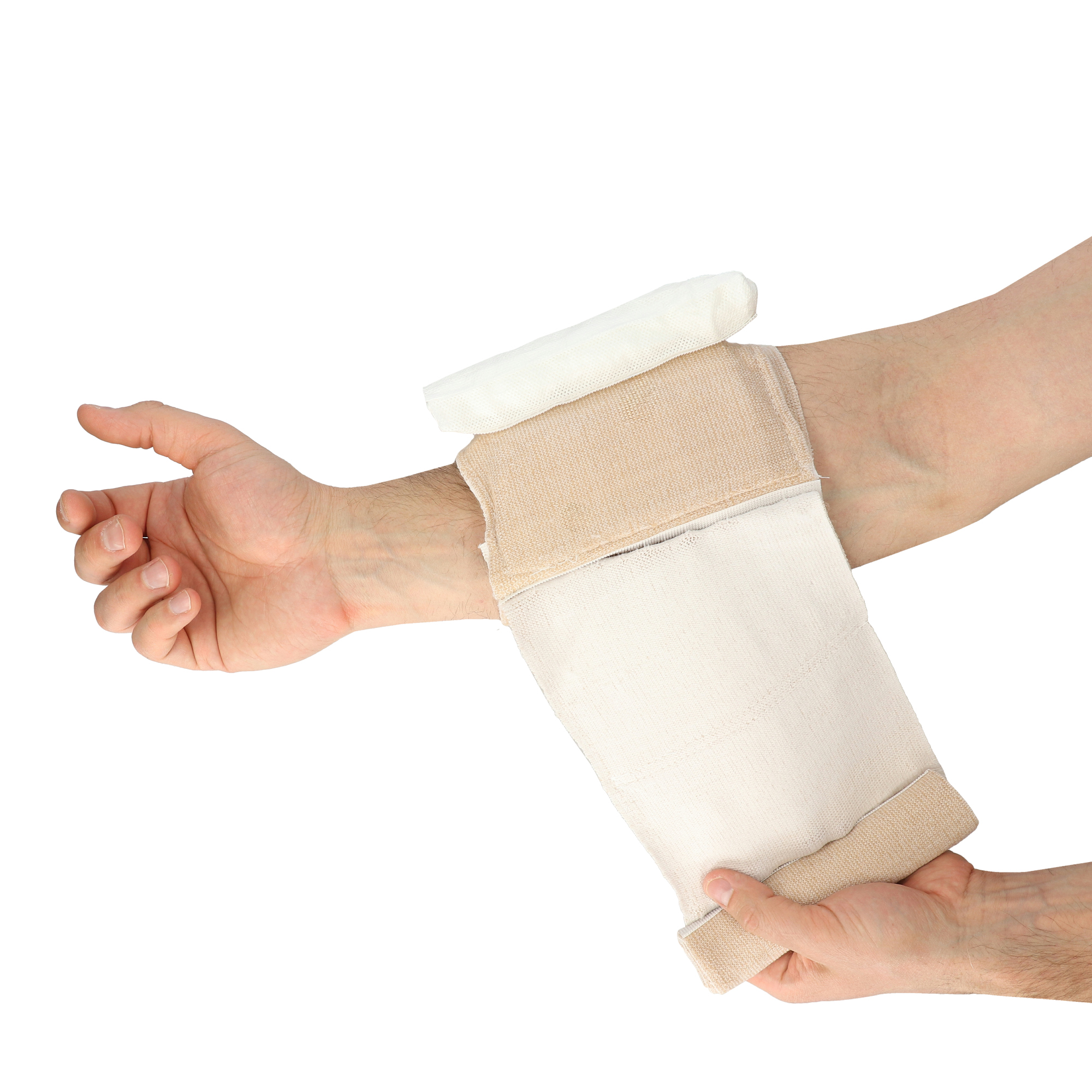
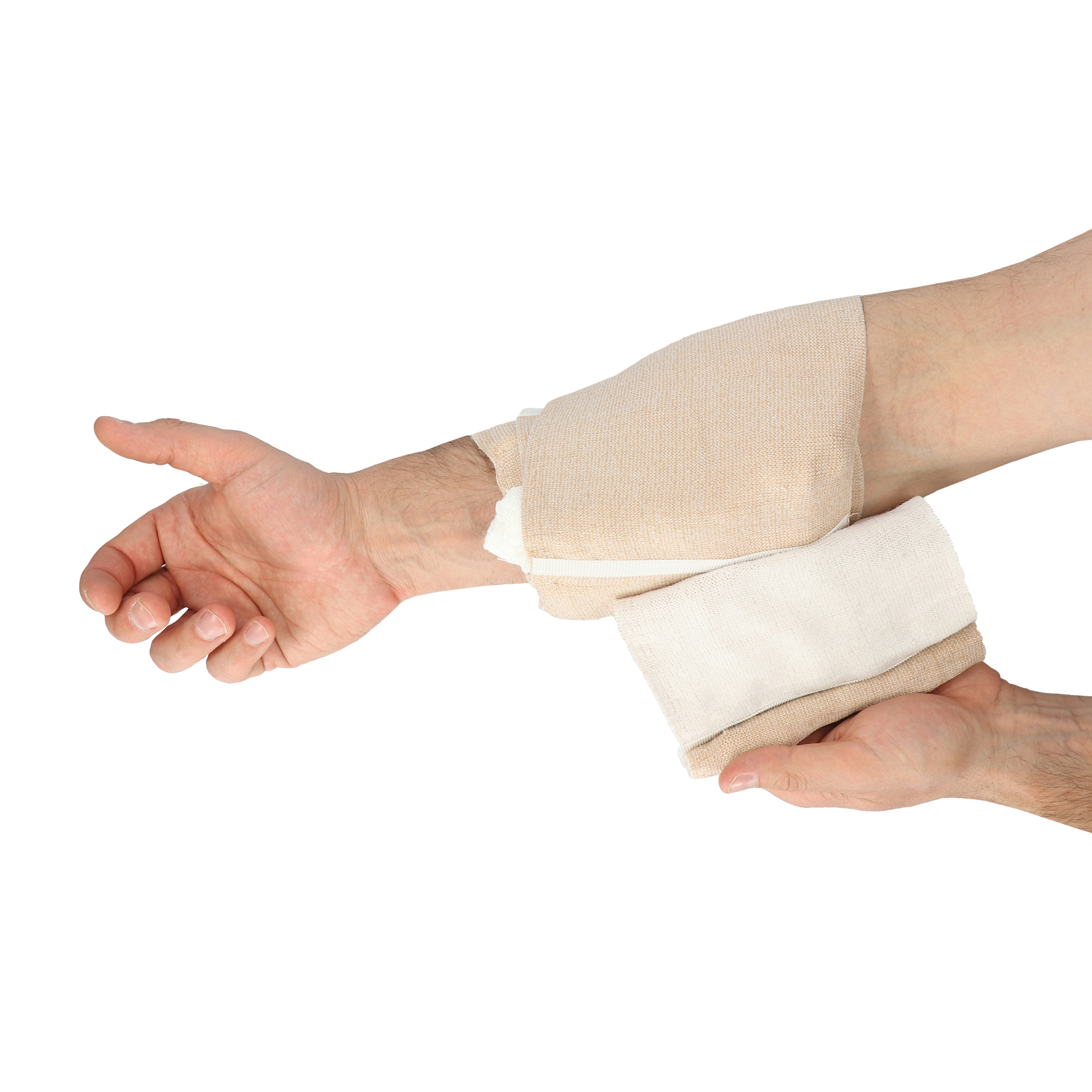
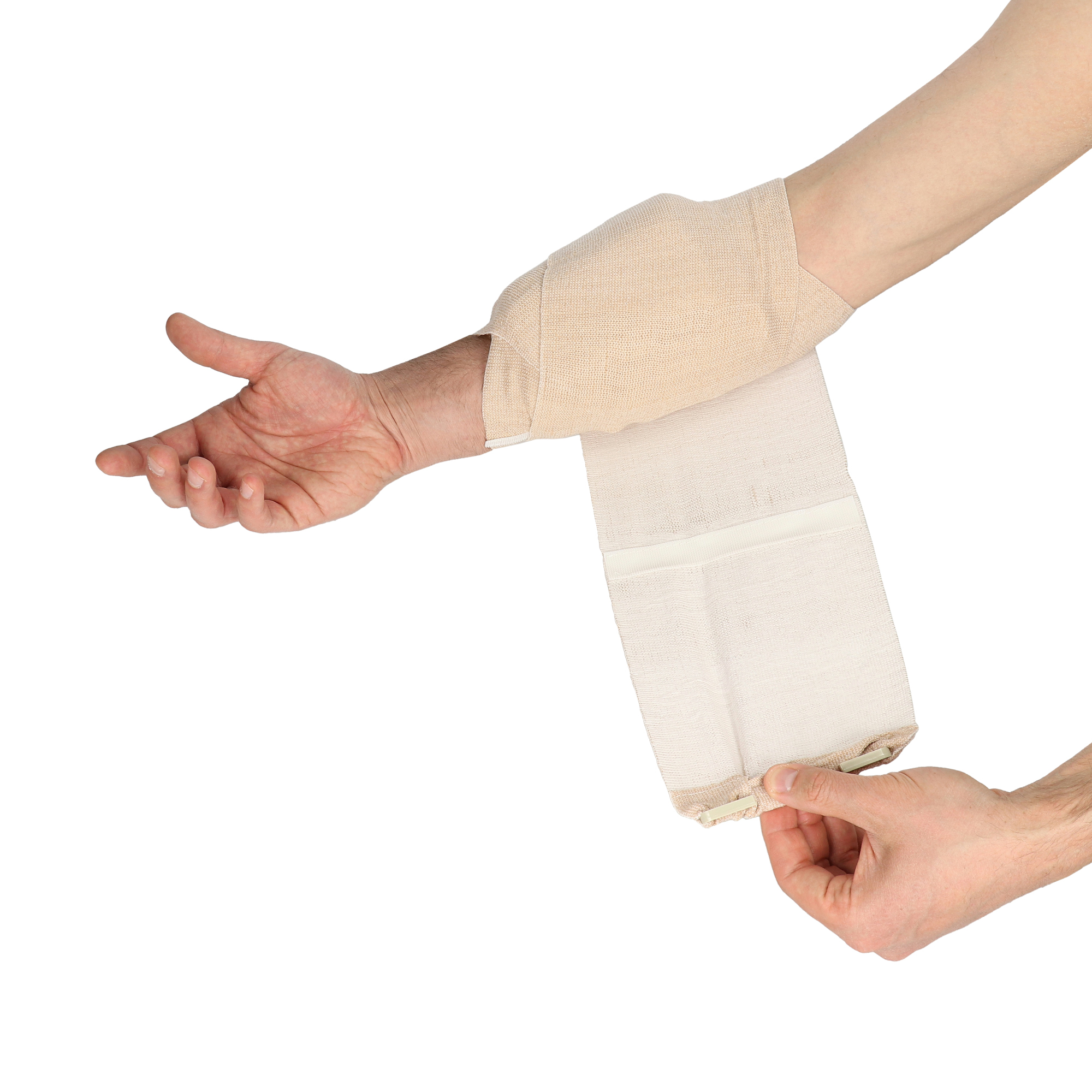
Application is made easier by the starter loop, which stabilises the first wrap, and by the segmented hook-and-loop system: pulling off successive sections requires force, which forces firmer bandage tension. The dressing is secured by a large end fastener and an additional clip.
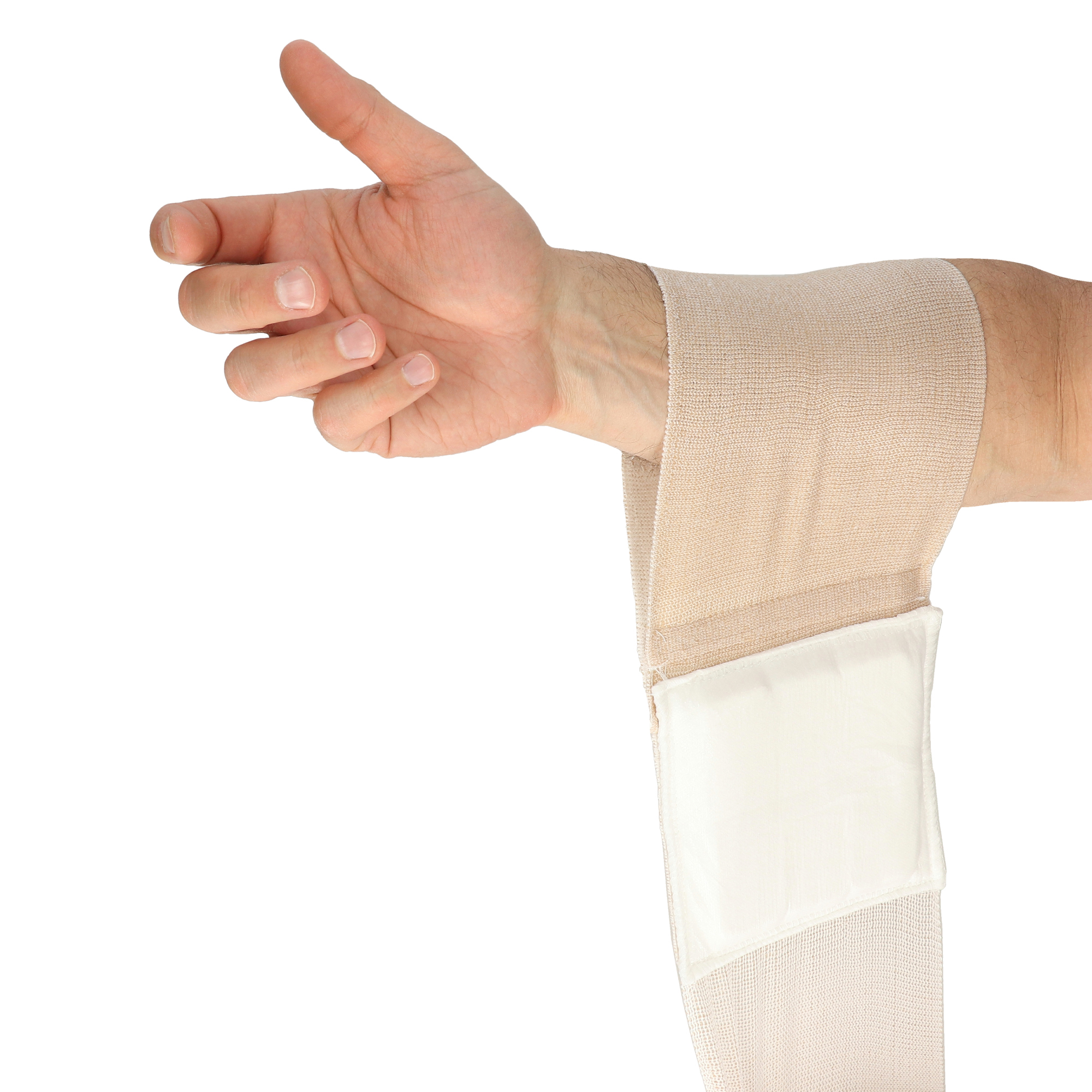
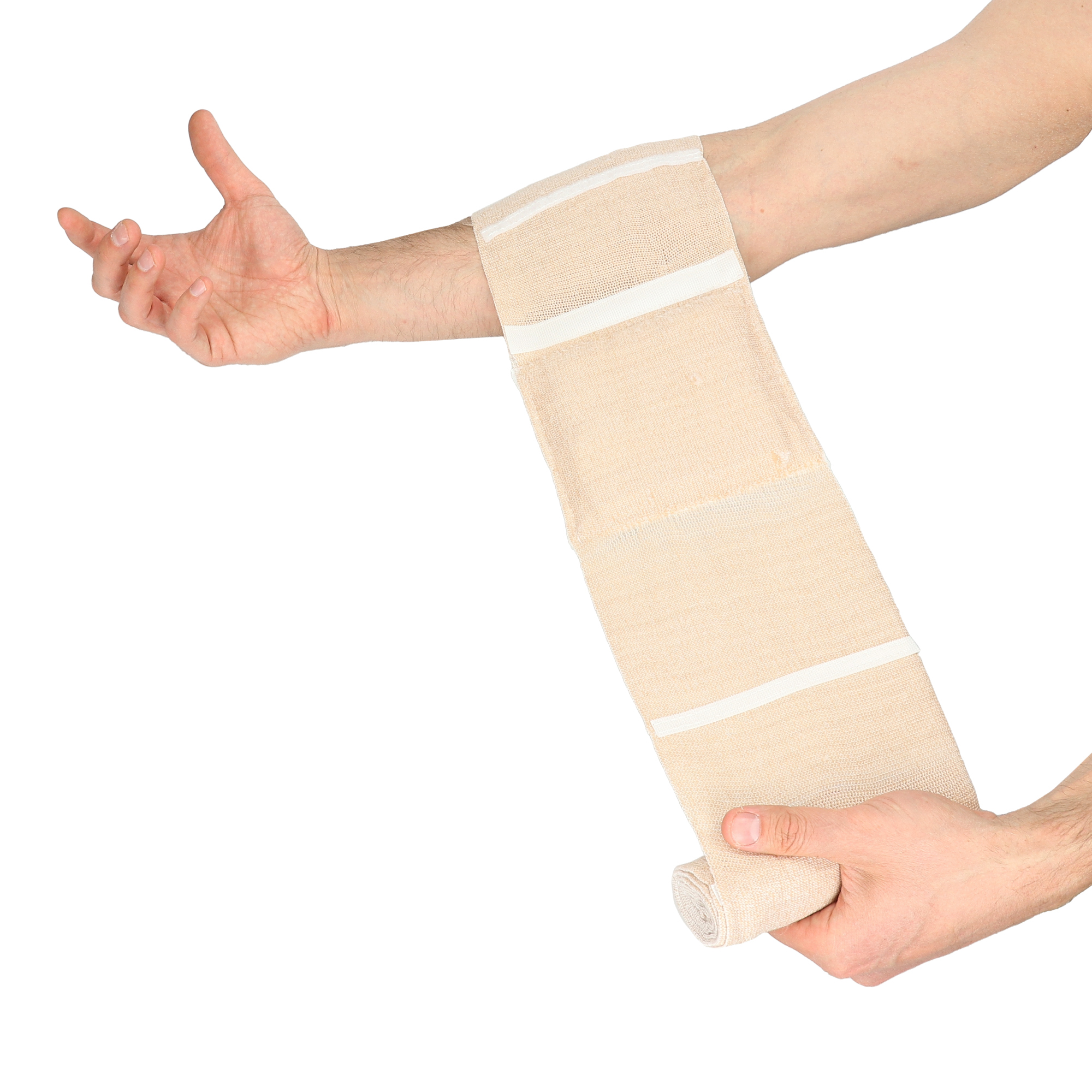
Applying the dressing step by step
A.C.T. Bandage pętla startowa ułatwiająca samoaplikację

1. Starter loop
Makes it easier to start the application and stabilise the first wrap.
A.C.T. Bandage system stabilizacji opatrunku

2. Stabilising the dressing
The first wrap stabilises the dressing around the wound and prepares further compression.
A.C.T. Bandage dodatkowy punktowy docisk

3. Additional pressure
The wound packing module can be used as an additional element to increase pressure.
A.C.T. Bandage system rzepów zwiększający kompresję

4. Increasing pressure
The hook-and-loop system allows compression to be increased gradually during application.
A.C.T. Bandage końcowa stabilizacja opatrunku

5. Final securing
The large end fastener helps keep the dressing in place even when working under pressure.
A.C.T. Bandage klamra zabezpieczająca

6. Securing clip
Additional securing that stabilises the dressing once application is complete.

Wersja 15 cm ma bandaż o szerokości 15 cm i długości 140 cm bez rozciągania (maksymalnie ok. 380 cm), pad 15 × 13 cm z 6 aktywnymi wkładami w układzie 3 × 2 oraz rękaw do pakowania ran z 8 wkładami. Waży 200 g netto, a po złożeniu ma wymiary 13 × 15 × 3,5 cm. Większa powierzchnia pada lepiej pokrywa rozległe rany, rany na udzie czy w okolicy pachwiny i pachy.
Junctional points and difficult areas
A.C.T. Bandage zastosowanie w okolicy pachwiny i punktach przejściowych

Groin
The extended working surface helps the dressing conform to irregular surfaces and junctional points.
A.C.T. Bandage zastosowanie w okolicy pachy i ranach nieregularnych

Armpit
The segmented pad allows better placement of the dressing in difficult anatomical areas.

A.C.T. Bandage nie zawiera chitozanu ani kaolinu – działa mechanicznie, przez ucisk i aktywną kompresję. Nie zastępuje opaski uciskowej przy amputacji kończyny ani leczenia chirurgicznego. To opatrunek jednorazowy. Do małej apteczki noszonej przy sobie lepiej pasuje kompaktowy A.C.T. Bandage 10 cm.

Kiedy wybrać A.C.T. Bandage 15 cm?

Przy dużej, nieregularnej ranie wąski opatrunek nie obejmie całego źródła krwawienia, a ucisk punktowy łatwo przesunąć obok miejsca, które krwawi najbardziej. A.C.T. Bandage 15 cm ma pad o 50% szerszy niż wersja 10 cm i 6 wkładów kompresyjnych, więc szeroki nacisk obejmuje większy obszar już od pierwszego owinięcia. Rękaw z 8 wkładami pozwala wypełnić większą przestrzeń rany. A.C.T. Bandage 15 cm warto mieć tam, gdzie ryzyko rozległych urazów jest największe – przy maszynach, na strzelnicy czy w pojeździe ratowniczym. A.C.T. Bandage 15 cm zakłada się tak samo jak wersję 10 cm, więc szkolenie z jednego modelu wystarcza do obu.

Dlatego wersja 15 cm sprawdza się w torbach ratowniczych, zestawach zespołów i pojazdów służbowych, gdzie trzeba być gotowym na poważne urazy. Pozostałe opatrunki indywidualne znajdziesz w kategorii individual dressings (IFAK).

Massive haemorrhage – pressure first, then the dressing

Life-threatening bleeding is stopped before anything else. Put on gloves, expose the wound and press on the bleeding site immediately. Pack a deep wound with dressing material right to the bottom while keeping pressure with your fingers, then apply a pressure dressing. For bleeding from a limb that cannot be controlled with pressure, apply a tourniquet. Call for help on 112. Action taken by a bystander can decide whether the casualty survives – before the emergency medical team arrives.

We describe it step by step in the guide chapter Massive haemorrhage – first aid, and we write about choosing equipment in the article A first aid kit ready for massive bleeding.

Frequently asked questions (FAQ)

Czym A.C.T. Bandage 15 cm różni się od wersji 10 cm?

Ma pad 15 × 13 cm z 6 wkładami zamiast 10 × 13 cm z 4, rękaw do pakowania ran z 8 wkładami zamiast 5 i waży 200 g zamiast 138 g. Długość bandaża jest taka sama.

Jak używać rękawa do pakowania ran?

Wprowadź go do rany od najgłębszego miejsca i wypełniaj ranę warstwami, cały czas uciskając źródło krwawienia. Po wypełnieniu uciskaj dłonią do założenia bandaża.

Czy opatrunek zawiera środek hemostatyczny?

Nie – działa mechanicznie, przez ucisk i aktywną kompresję. Nie zawiera chitozanu ani kaolinu.

Czy opatrunek jest jednorazowy?

Tak – A.C.T. Bandage 15 cm to opatrunek jednorazowy.
Specification
  • Manufacturer: JB Tacticals
  • Model: A.C.T. Bandage 15 cm (Active Compression Treatment)
  • Code: JB-BDG-0021
  • Bandage width: 15 cm
  • Bandage length: 140 cm unstretched, max. approx. 380 cm
  • Absorbent pressure pad: 15 × 13 cm, 6 aktywnych wkładów (układ 3 × 2)
  • Wound packing module: rękaw ok. 90 cm, 8 wkładów
  • Weight: 200 g netto, 226 g brutto (moduł do pakowania 27 g)
  • Folded dimensions: 13 × 15 × 3,5 cm
  • Fastening: starter loop, segmented hook-and-loop fasteners, end fastener, securing clip
  • Haemostatic agent: none (mechanical action)
  • Use: single use
  • Safety: This is a medical device. Use it in accordance with the instructions for use or the label.
Manufacturer

JB Tacticals Łukasz Kuś, ul. Partyzantów 4a/31, 32-500 Chrzanów, Poland, info@jbtacticals.com

Scroll to Top