Ratowacze First Aid Guide

Chapter XII – Medical emergencies – part 3 – diabetes – a metabolic disease

Chapter XII – Medical emergencies – part 3 – diabetes – a metabolic disease

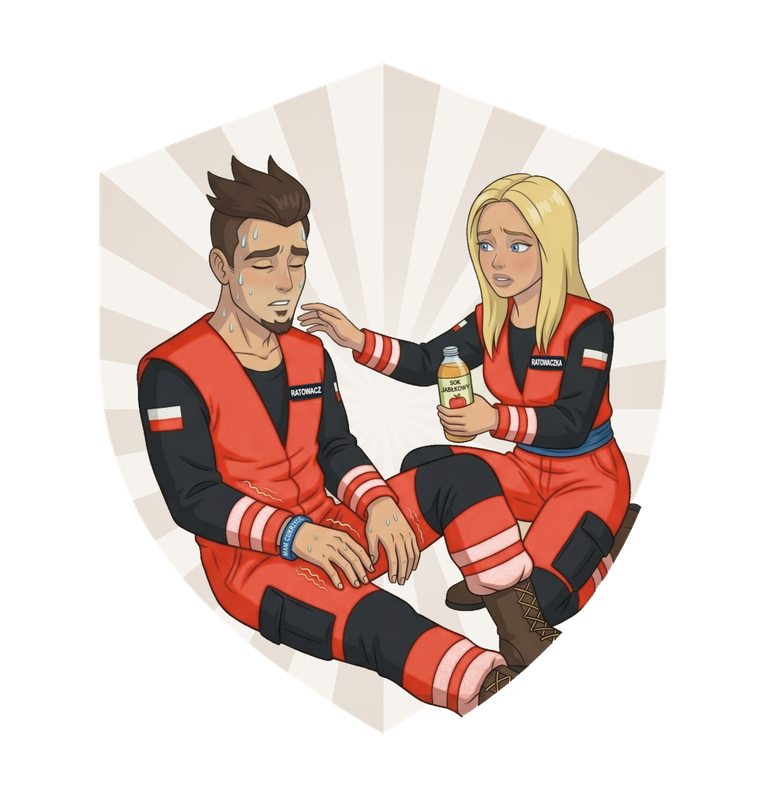
What is diabetes? Diabetes is a metabolic disease characterised by a chronically high blood glucose level (hyperglycaemia), resulting from a defect in insulin secretion or action. Insulin is a hormone produced by the pancreas that plays a key role in carbohydrate metabolism – it helps glucose enter the body's cells. A lack of insulin or the body's resistance to it means […]
Chapter XII – Medical emergencies – part 2 – stroke – first aid at the highest level

Chapter XII – Medical emergencies – part 2 – stroke

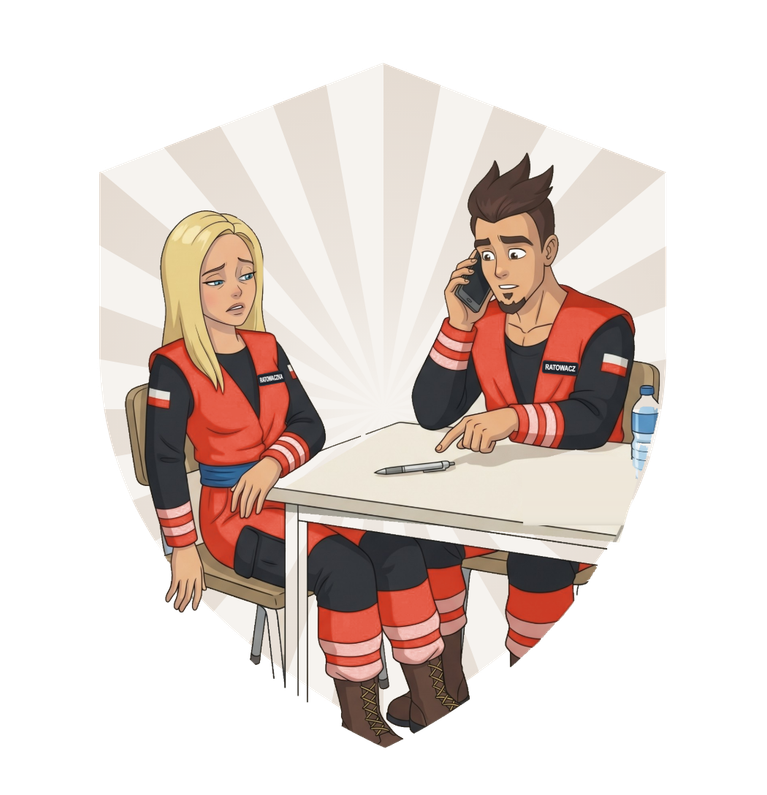
What is a stroke and why does it require an immediate response? A stroke is a life-threatening condition in which the blood supply to a part of the brain suddenly stops. There are two main types of stroke: ischaemic (around 80–85% of cases), caused by a blood clot blocking a blood vessel, and haemorrhagic stroke (commonly called a brain bleed), resulting from a ruptured vessel wall and

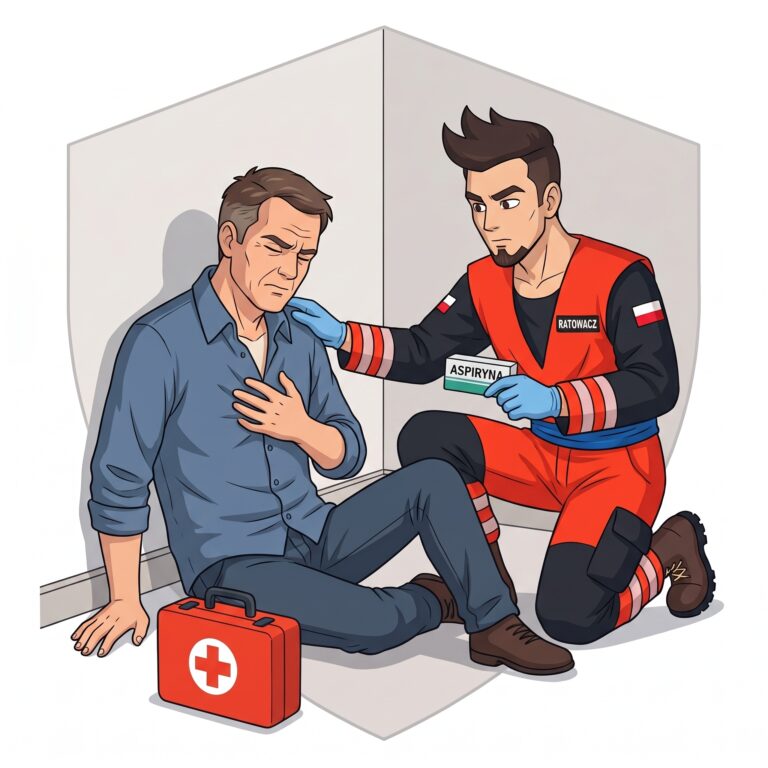
First aid for a heart attack – illustration

Chapter XII – Medical emergencies – part 1 – heart attack

what is a heart attack? A heart attack (myocardial infarction) is an immediately life-threatening condition in which part of the heart muscle suffers acute ischaemia and gradually dies. The most common cause is the sudden blockage of a coronary artery by a ruptured atherosclerotic plaque and a blood clot forming at that site. Heart cells deprived of blood and oxygen begin to die after just a dozen or so

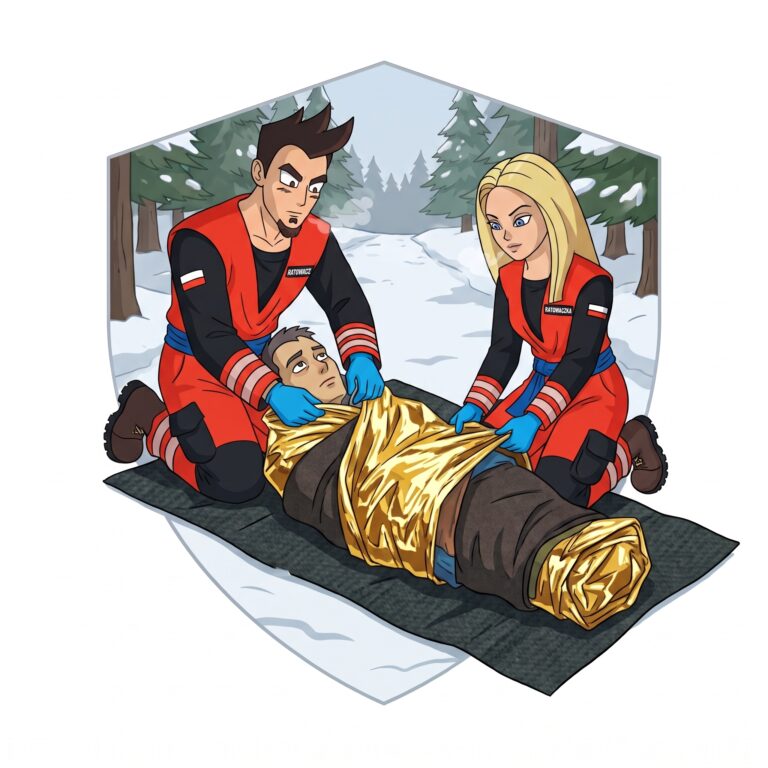
Chapter XI – First aid for hypothermia

Chapter XI – First aid for hypothermia

Hypothermia is a condition in which body temperature drops below 35°C. It happens when the body loses heat faster than it can produce it. Contrary to appearances, it does not only occur on cold winter days – excessive cooling also affects casualties in summer. Hypothermia should be suspected in a casualty who has been exposed to cold,

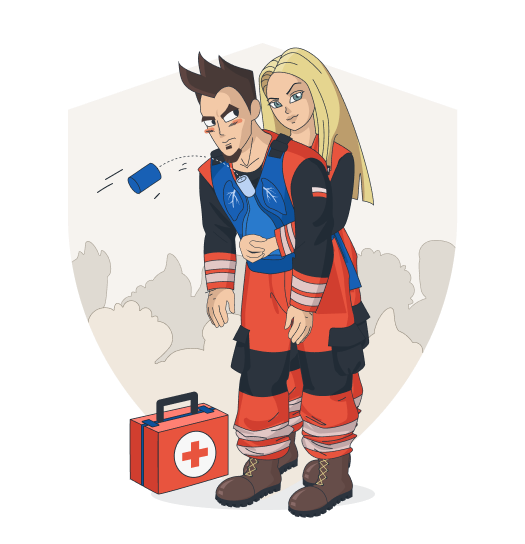
Chapter X – Choking

Chapter X – Choking

Choking and coughing on something are two seemingly similar conditions that are actually separated by a very thin but crucial line: whether the airway is open. In one case it is enough to encourage coughing; in the other, without your immediate reaction, the casualty may lose consciousness within tens of seconds. See what the difference is and how to respond correctly.

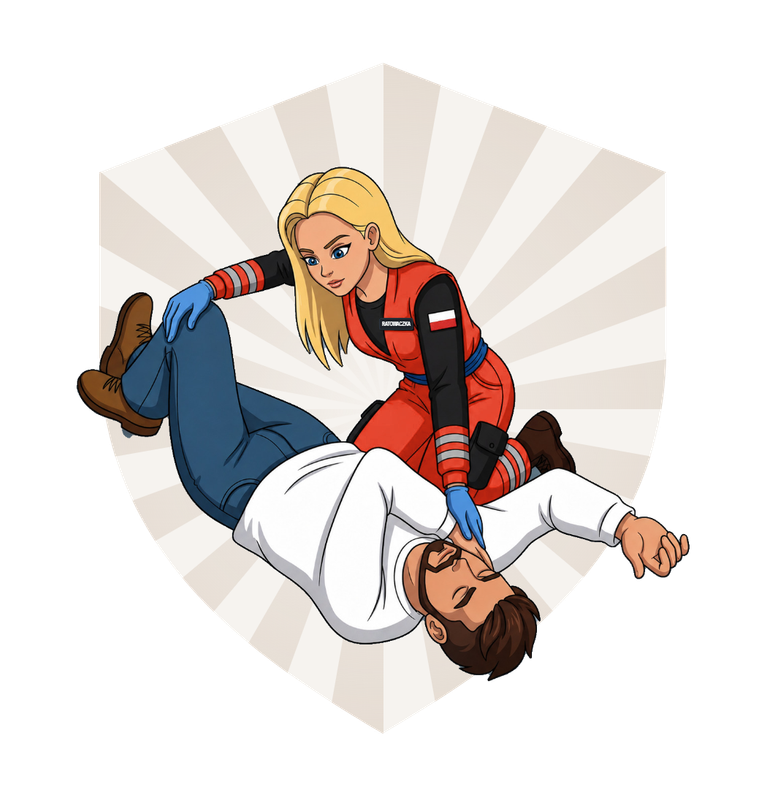
Recovery position – step 2: rolling the casualty onto their side

Chapter IX – Recovery position

The recovery position is the position in which you should place a casualty in whom you do not suspect injuries (e.g. from a fall from height or a serious road accident) and who is unconscious but breathing normally on their own. Its purpose is to prevent choking (e.g. on saliva or vomit) and to keep the airway open until the emergency services arrive. How to place the casualty in

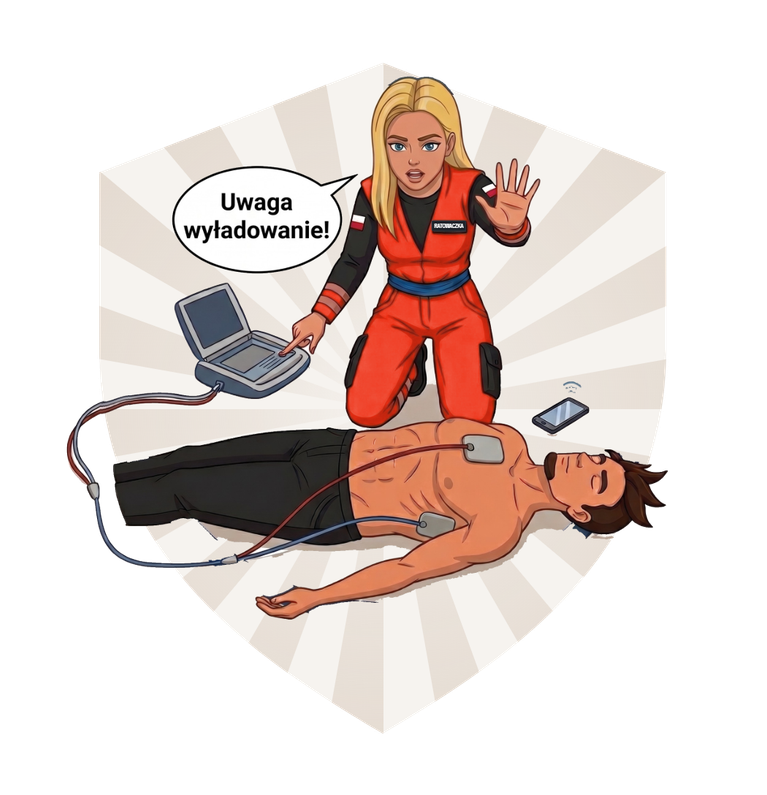
Chapter VII – Basic life support: CPR – cardiopulmonary resuscitation

Chapter VII – Basic life support: CPR – cardiopulmonary resuscitation

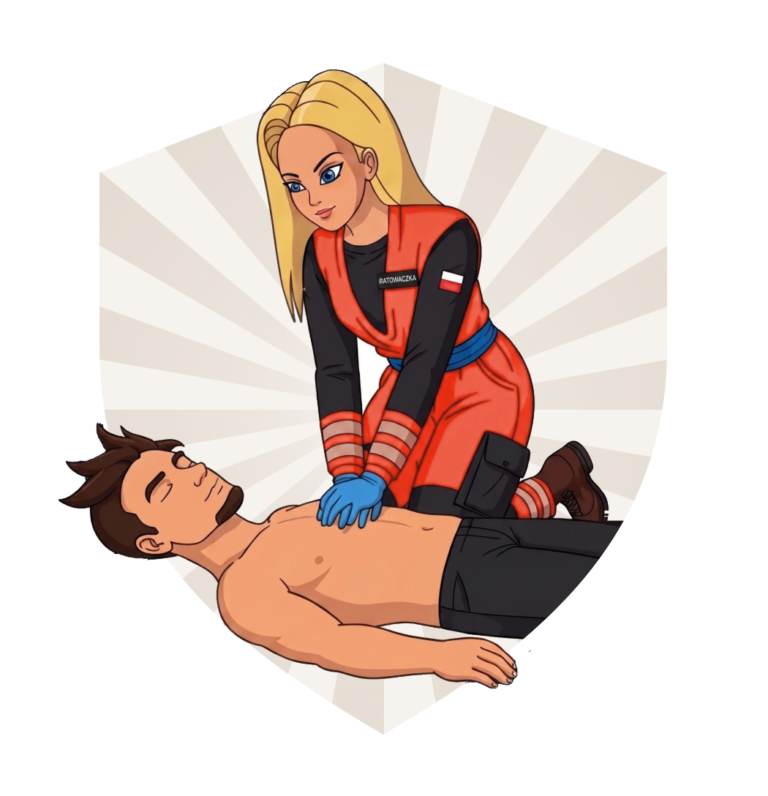
What is basic life support? What exactly does CPR mean? If, after checking responsiveness and breathing, it turns out that the casualty is not breathing or is not breathing normally, their heart has most likely stopped. This is an immediately life-threatening situation that requires immediate action. Cardiopulmonary resuscitation must be started as soon as possible, at least by giving chest compressions. Chest compressions

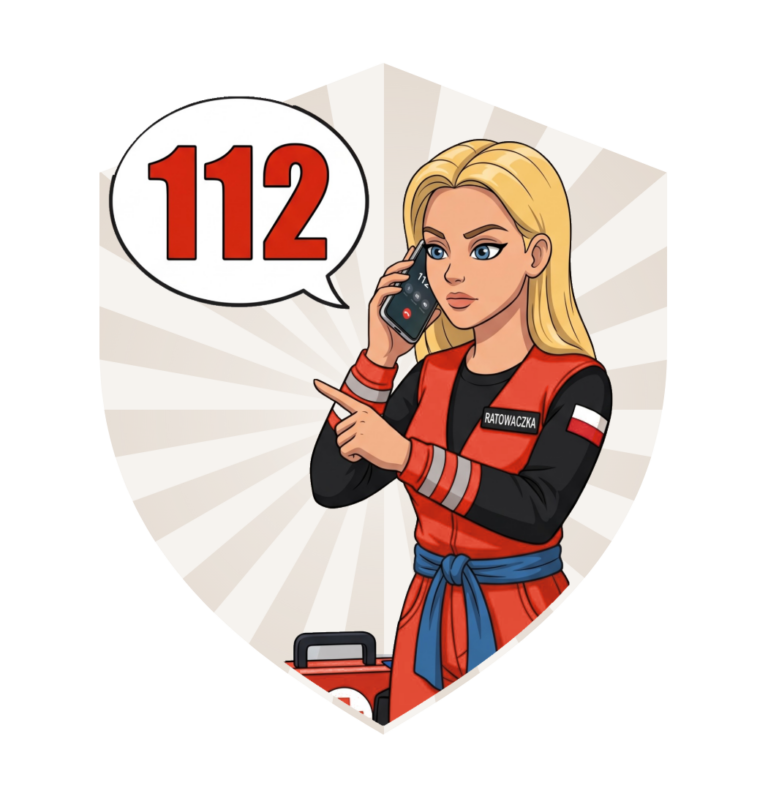
Calling for help on the 112 emergency number

Chapter VI – Emergency number 112 and calling for help

Calling for help is one of the most important steps in the chain of survival. You can call the emergency number 112 from any mobile phone – even a locked one, e.g. with a code, pattern or fingerprint, or without an active SIM card. All the device needs is coverage from any telecommunications network, not necessarily your own operator. The emergency number works around the clock,

Chapter V – Assessing the casualty

Chapter V – Assessing the casualty

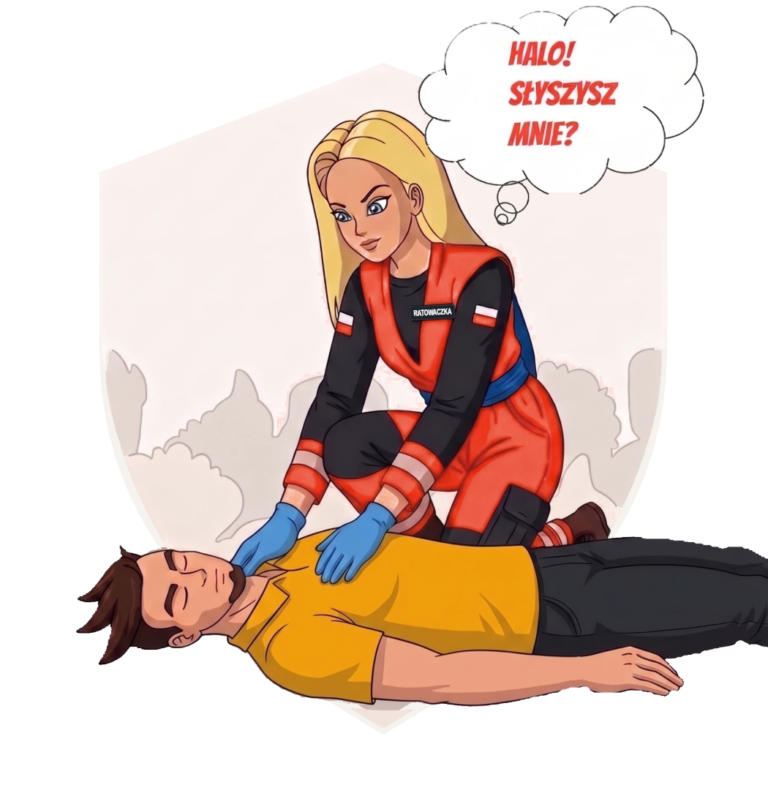
Assessing the casualty is a very intuitive process that comes down to answering a few basic questions. In the previous chapter you learned how to get bystanders involved effectively and why delegating tasks is so important. Now that you have asked someone to call the emergency services and bring the first aid kit or an AED, it is time to focus 100% of your attention on the casualty.

Scroll to Top