Iza

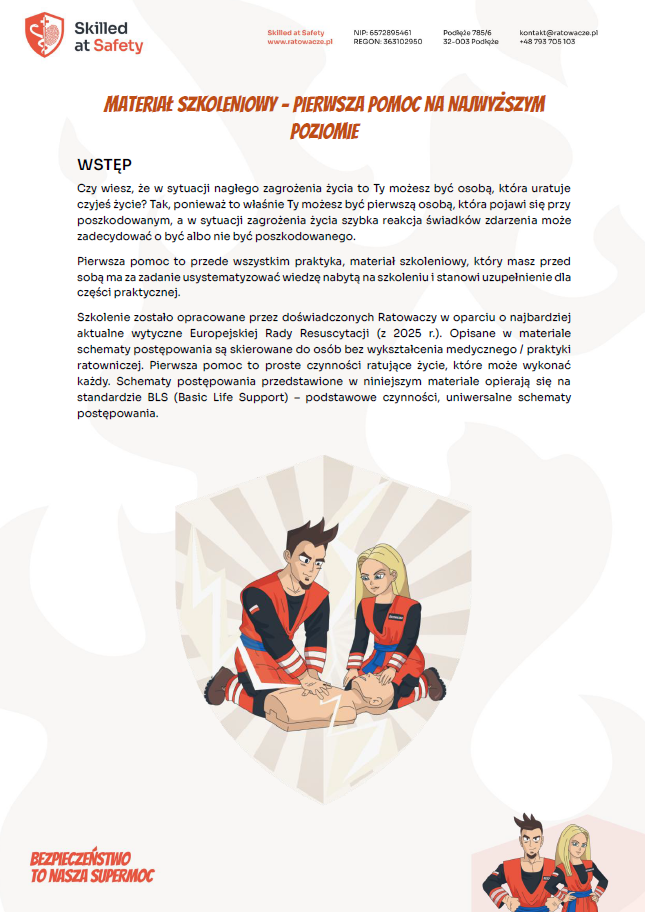
The Ratowacze training handbook – introduction

Practice on site, theory to take away – what can you expect on our first aid course?

The title “Practice on site, theory to take away” is not without reason: in October we launched a series of open first aid courses, available to anyone who wants to gain real skills and discover the Power to save lives. Together with it, we introduced something we had been working on for a long time: our own training handbook for our Participants. […]
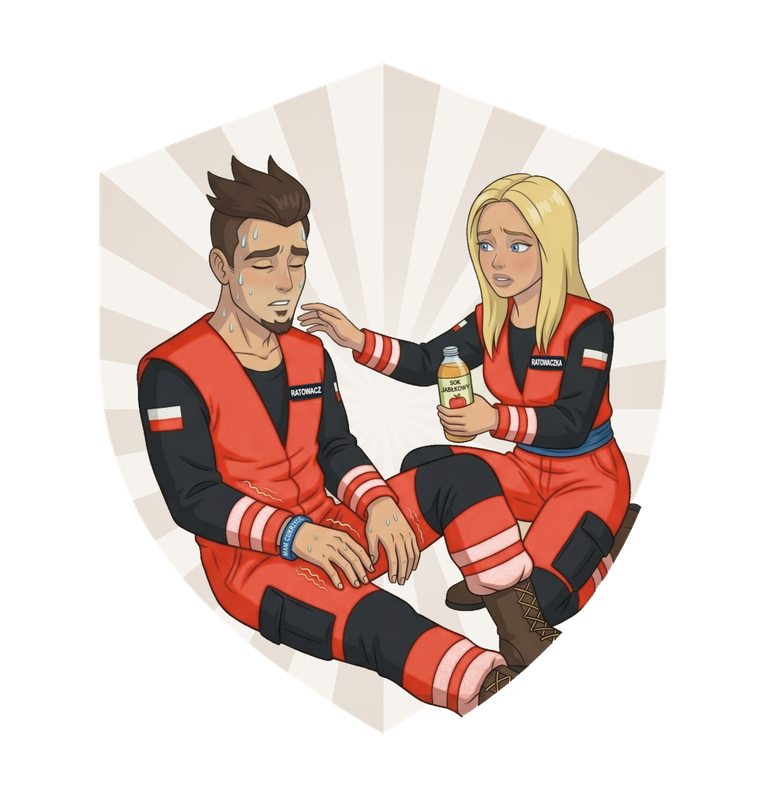
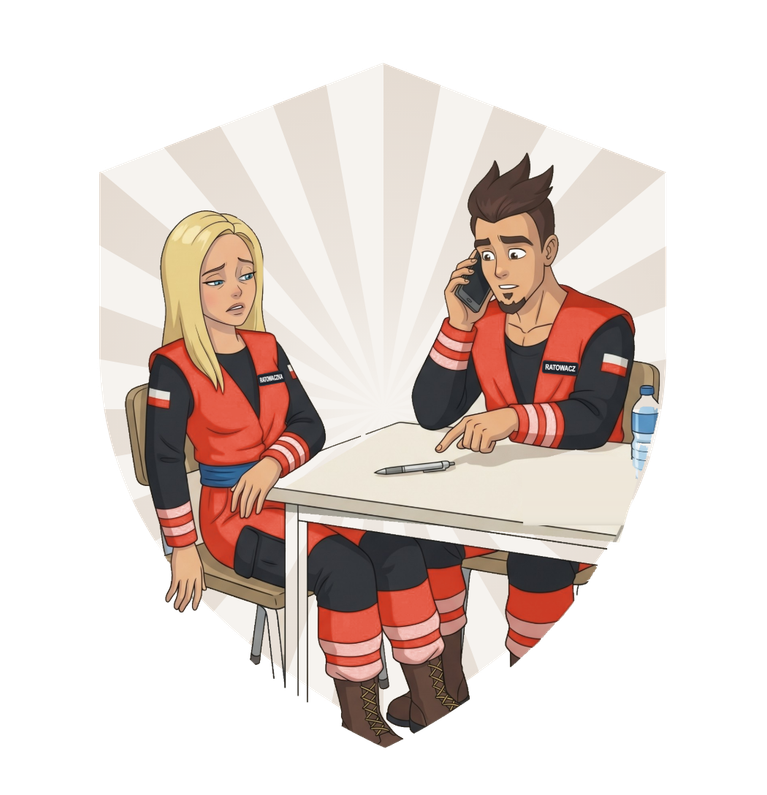
Chapter XII – Medical emergencies – part 3 – diabetes – a metabolic disease

Chapter XII – Medical emergencies – part 3 – diabetes – a metabolic disease

What is diabetes? Diabetes is a metabolic disease characterised by a chronically high blood glucose level (hyperglycaemia), resulting from a defect in insulin secretion or action. Insulin is a hormone produced by the pancreas that plays a key role in carbohydrate metabolism – it helps glucose enter the body's cells. A lack of insulin or the body's resistance to it means

Chapter XII – Medical emergencies – part 2 – stroke – first aid at the highest level

Chapter XII – Medical emergencies – part 2 – stroke

What is a stroke and why does it require an immediate response? A stroke is a life-threatening condition in which the blood supply to a part of the brain suddenly stops. There are two main types of stroke: ischaemic (around 80–85% of cases), caused by a blood clot blocking a blood vessel, and haemorrhagic stroke (commonly called a brain bleed), resulting from a ruptured vessel wall and

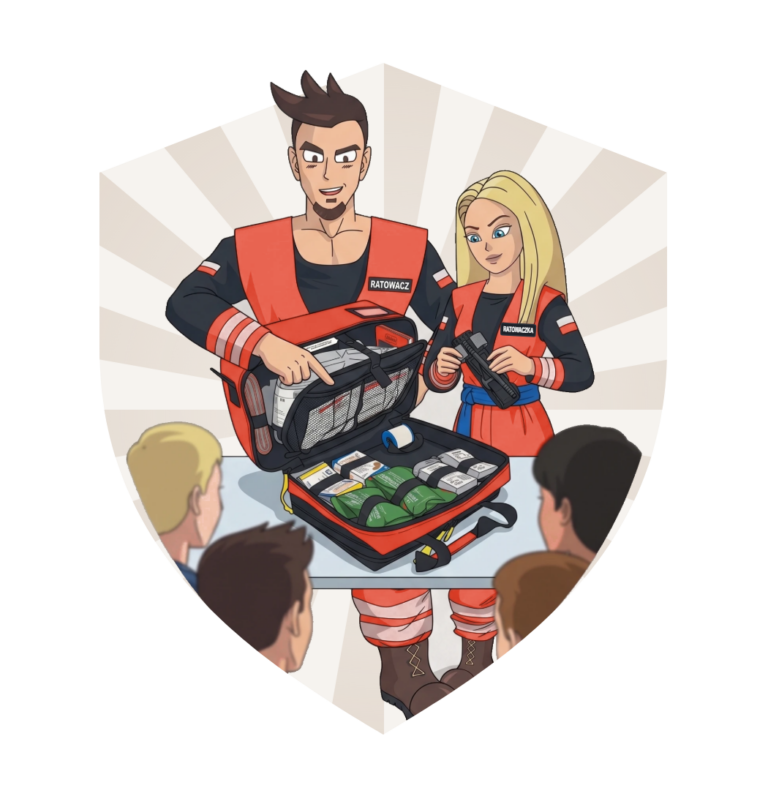
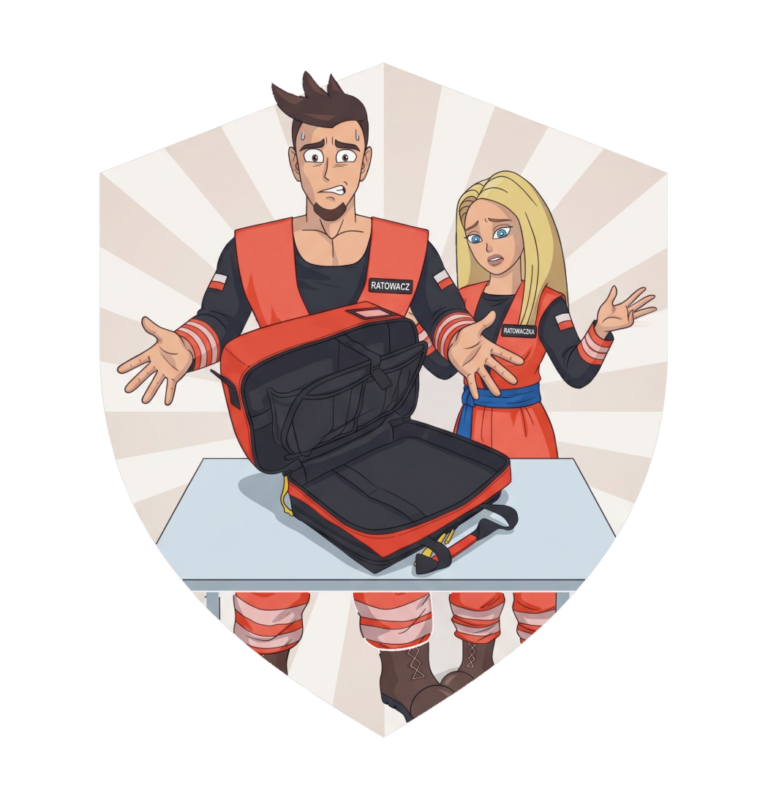
Ratowacze Instructors showing the contents of a first aid kit to training Participants – illustration

We are launching a series of open first aid courses

Why come to a first aid course? We have launched a series of open courses – if you have never attended first aid classes, or have only been to ones built around a boring presentation – come to our open course! Book a whole day and we guarantee it will change your approach. Our mission is to build an aware

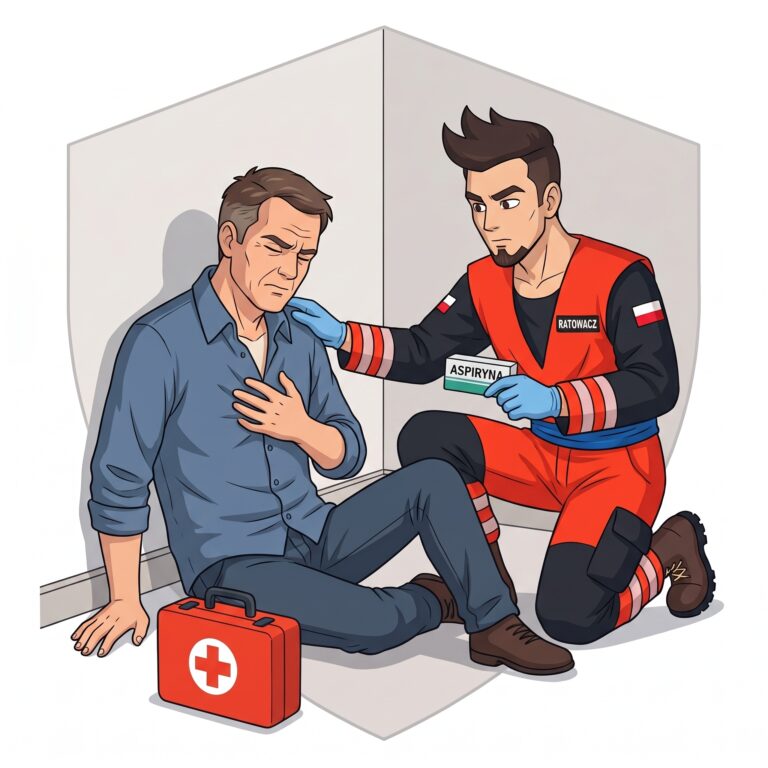
First aid for a heart attack – illustration

Chapter XII – Medical emergencies – part 1 – heart attack

what is a heart attack? A heart attack (myocardial infarction) is an immediately life-threatening condition in which part of the heart muscle suffers acute ischaemia and gradually dies. The most common cause is the sudden blockage of a coronary artery by a ruptured atherosclerotic plaque and a blood clot forming at that site. Heart cells deprived of blood and oxygen begin to die after just a dozen or so

We have received the Małopolska Standard of Educational and Training Services Certificate!

We have received the Małopolska Standard of Educational and Training Services Certificate!

We are delighted to announce that we have received the Małopolska Standard of Educational and Training Services (MSUES) Certificate. For us, this prestigious quality mark is direct confirmation of the highest quality of our services, fully in line with the Małopolska Standards of Educational and Training Services. The award was granted following a positive external audit. Using this mark is objective proof that

Chapter XI – First aid for hypothermia

Chapter XI – First aid for hypothermia

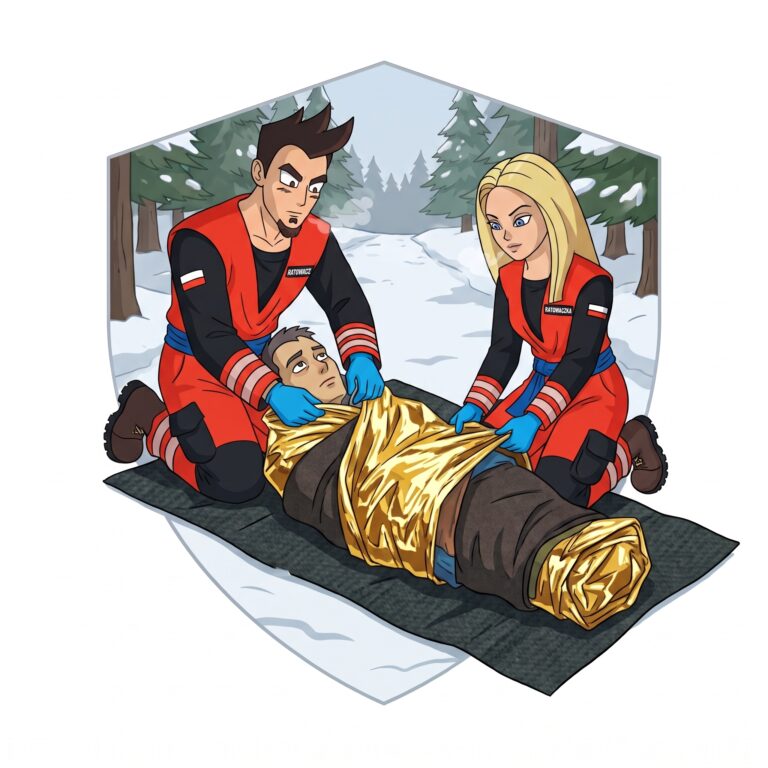
Hypothermia is a condition in which body temperature drops below 35°C. It happens when the body loses heat faster than it can produce it. Contrary to appearances, it does not only occur on cold winter days – excessive cooling also affects casualties in summer. Hypothermia should be suspected in a casualty who has been exposed to cold,

Chapter X – Choking

Chapter X – Choking

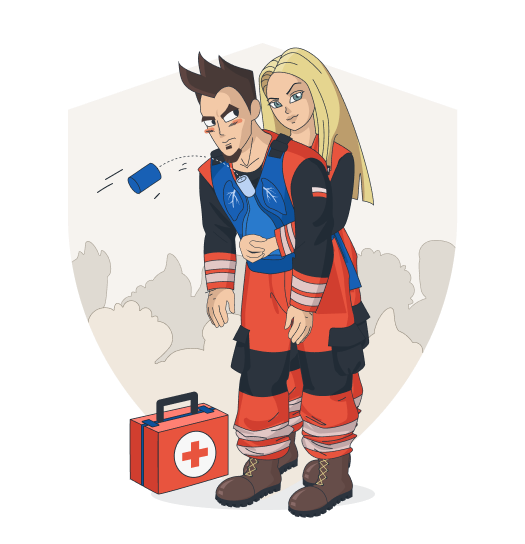
Choking and coughing on something are two seemingly similar conditions that are actually separated by a very thin but crucial line: whether the airway is open. In one case it is enough to encourage coughing; in the other, without your immediate reaction, the casualty may lose consciousness within tens of seconds. See what the difference is and how to respond correctly.

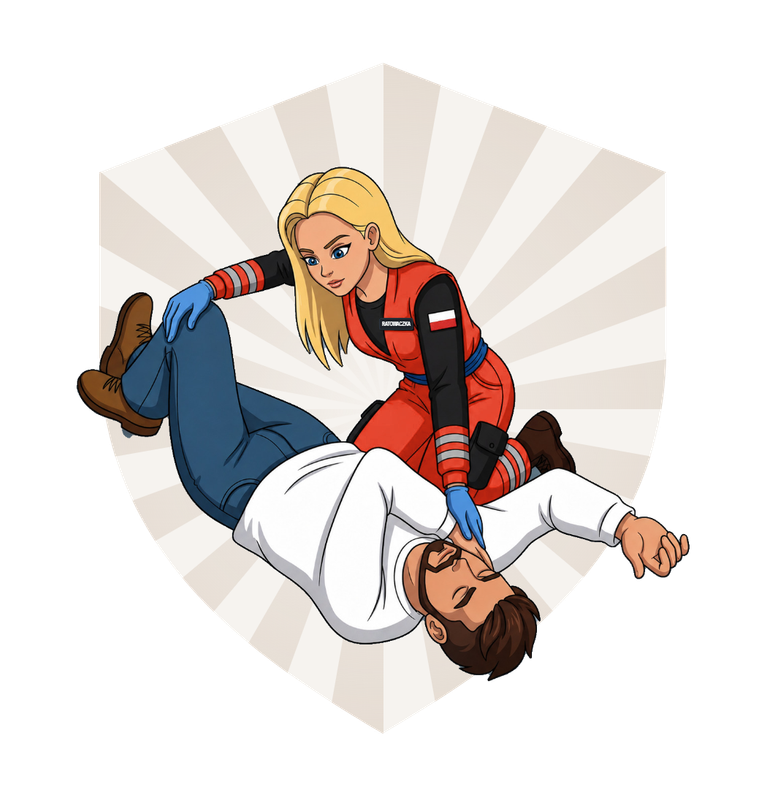
Recovery position – step 2: rolling the casualty onto their side

Chapter IX – Recovery position

The recovery position is the position in which you should place a casualty in whom you do not suspect injuries (e.g. from a fall from height or a serious road accident) and who is unconscious but breathing normally on their own. Its purpose is to prevent choking (e.g. on saliva or vomit) and to keep the airway open until the emergency services arrive. How to place the casualty in

Scroll to Top