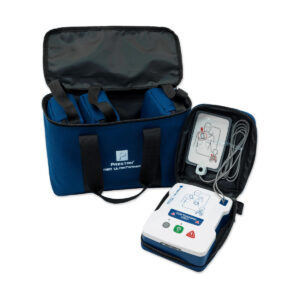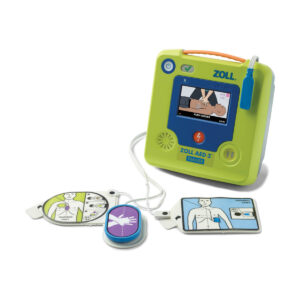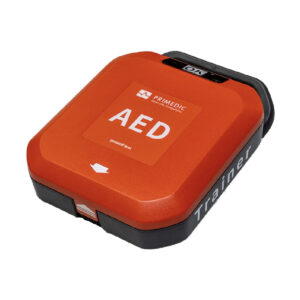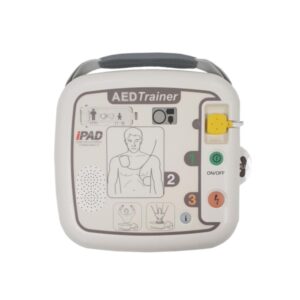
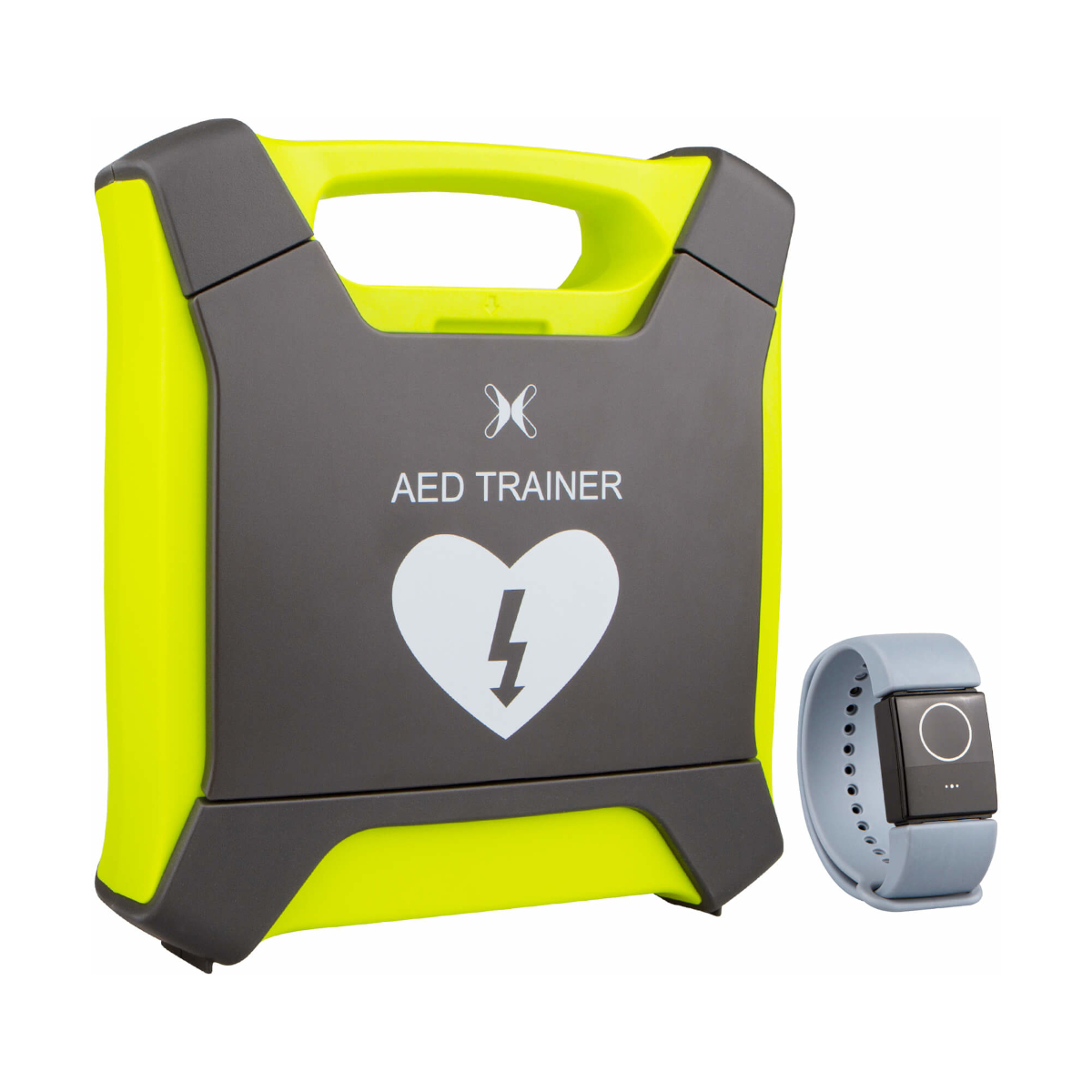
The XFT 120G AED trainer is the manufacturer's top model and the successor to the XFT-120C+, popular worldwide. It was designed for instructors who expect more from an AED trainer than voice prompts alone.
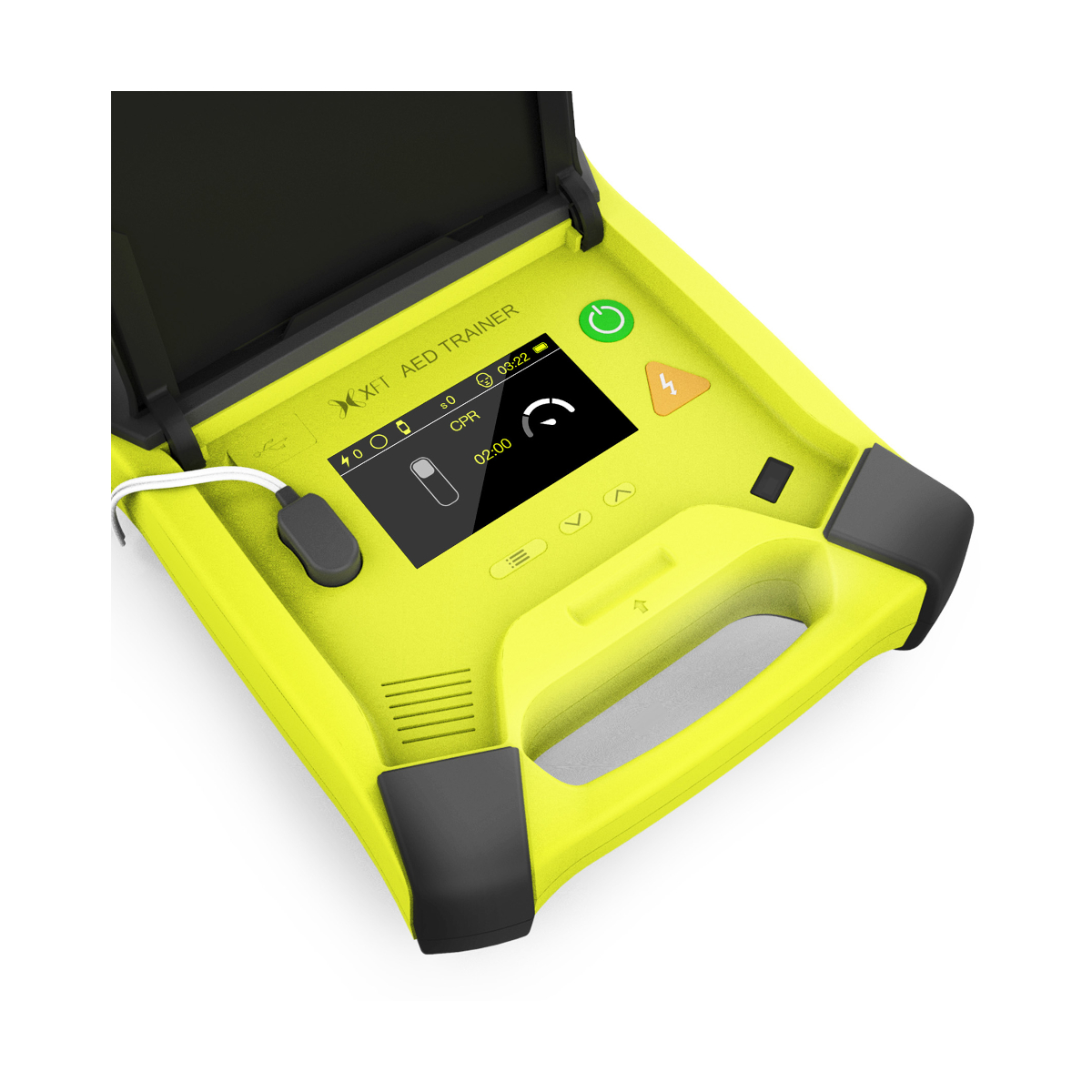
The device has a colour LCD screen that displays data and prompts. It communicates with the trainee in three ways: by voice (in Polish), with text and with pictures on the display. An innovative element is the CPR band – worn by the trainee, it gives feedback on compression force and rate, eliminating mistakes during learning.
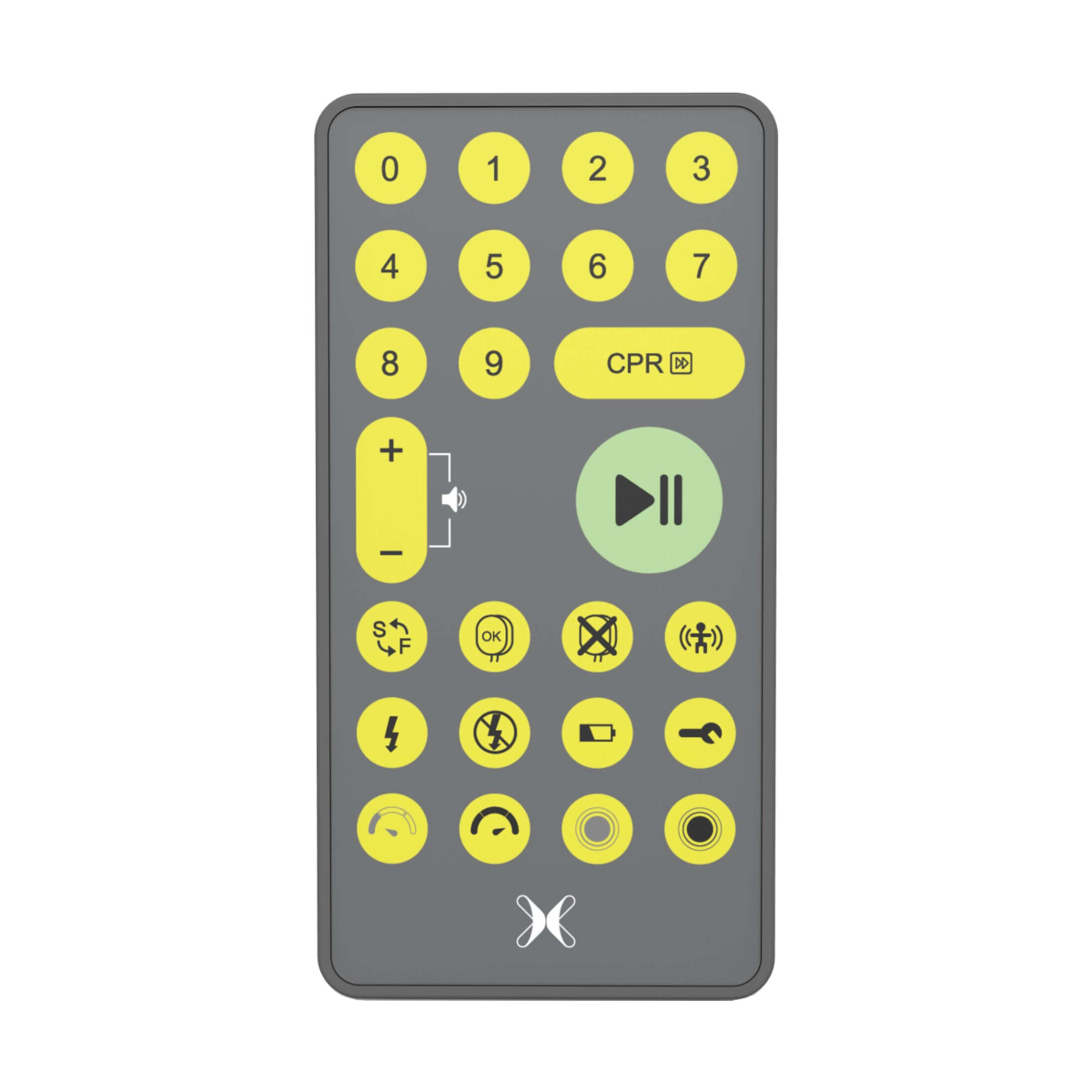
The XFT 120G AED trainer also includes magnetic pads which, when attached to any manikin, automatically detect whether the electrodes have been placed in the right position. The trainer has 10 built-in scenarios, and the remote control lets you change settings during the session. You can adjust, among other things, the required compression rate and force, switch between semi-automatic and automatic mode and use paediatric mode.
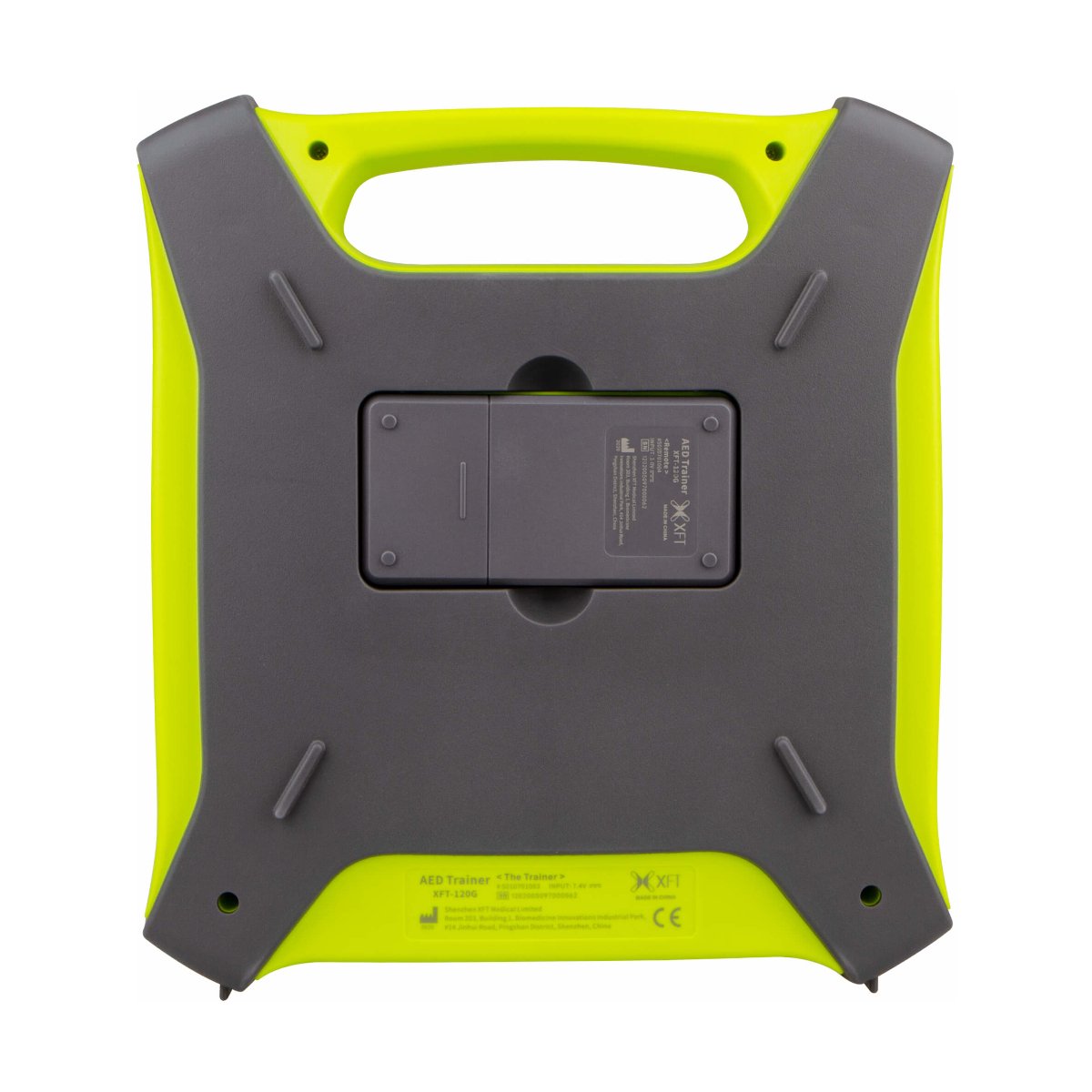
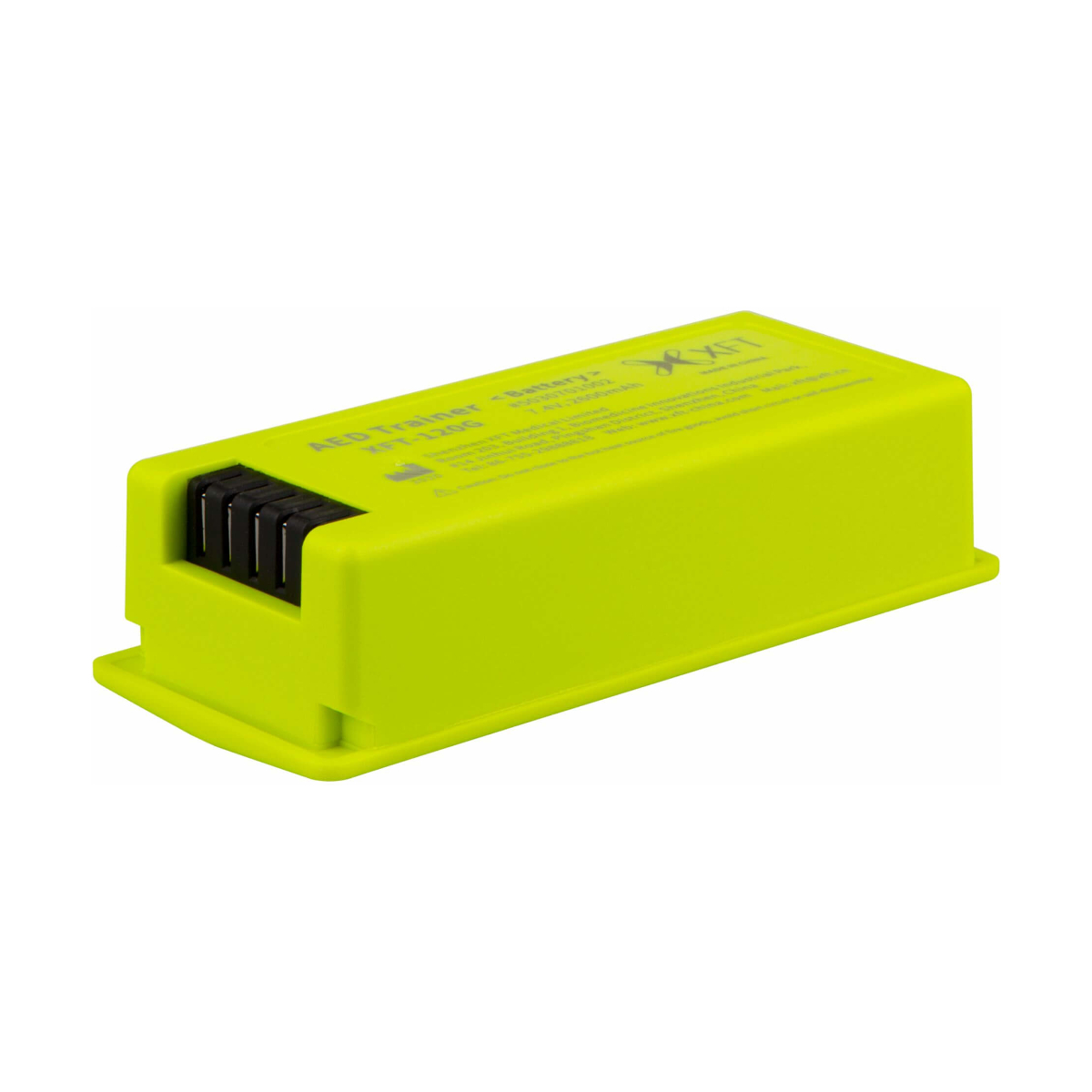
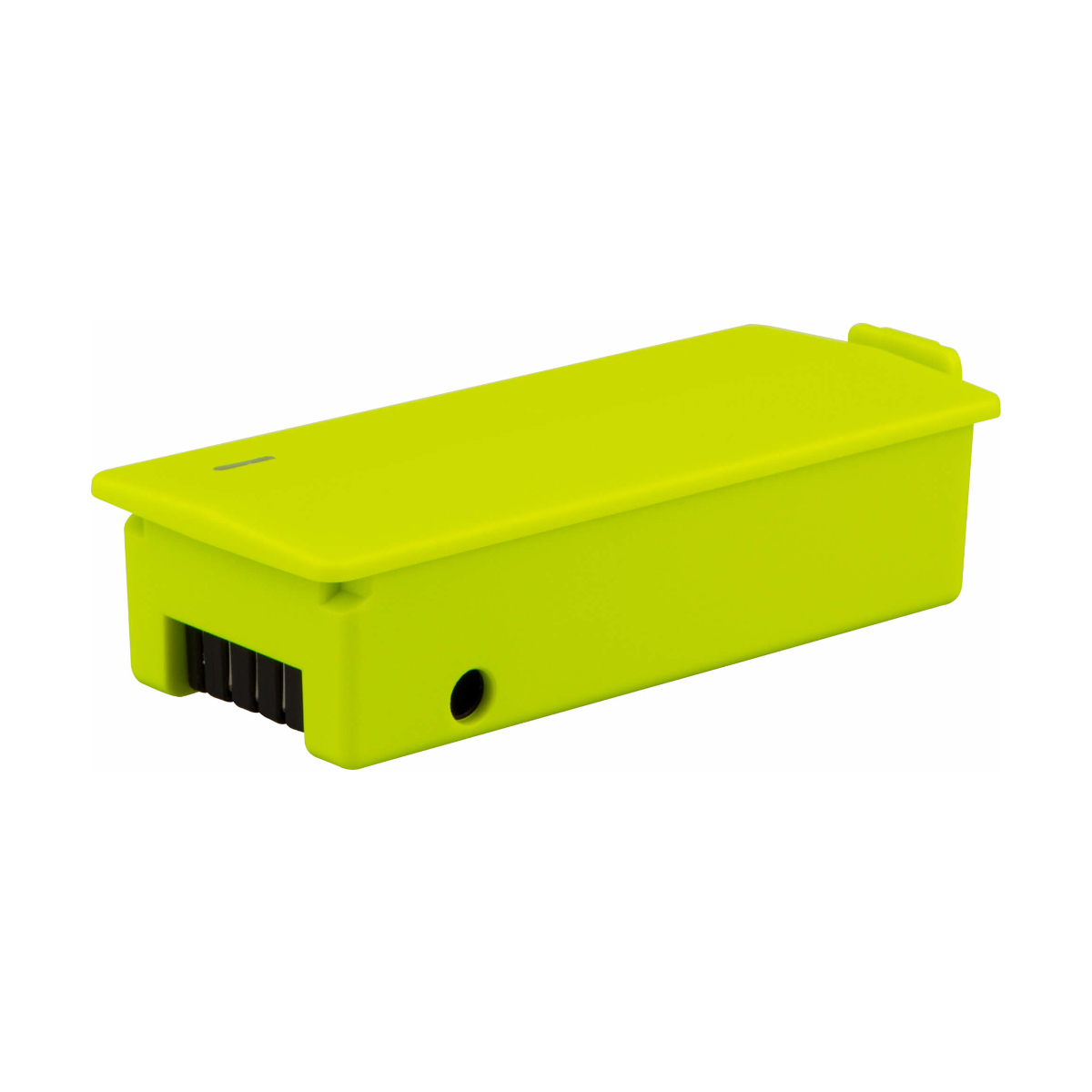
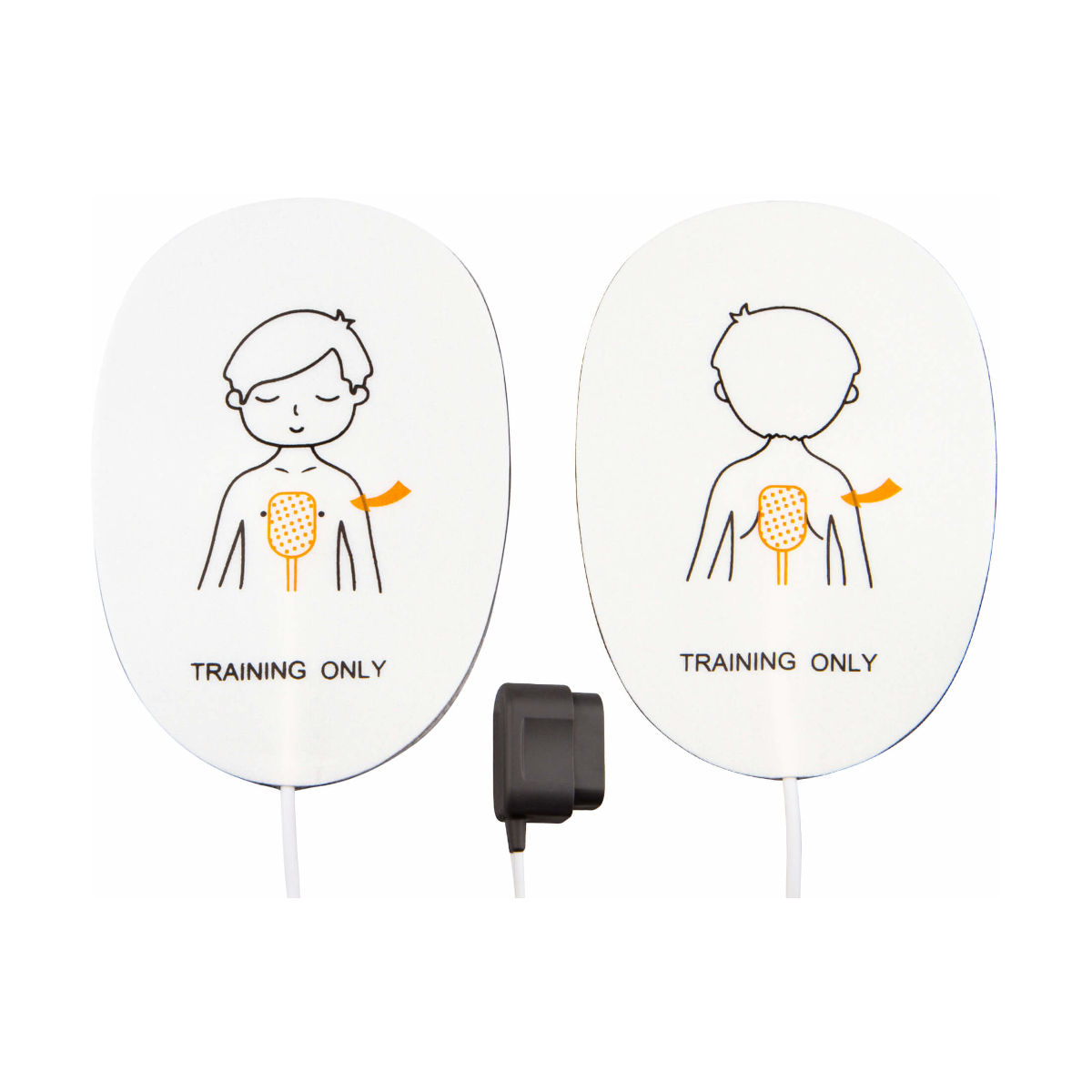
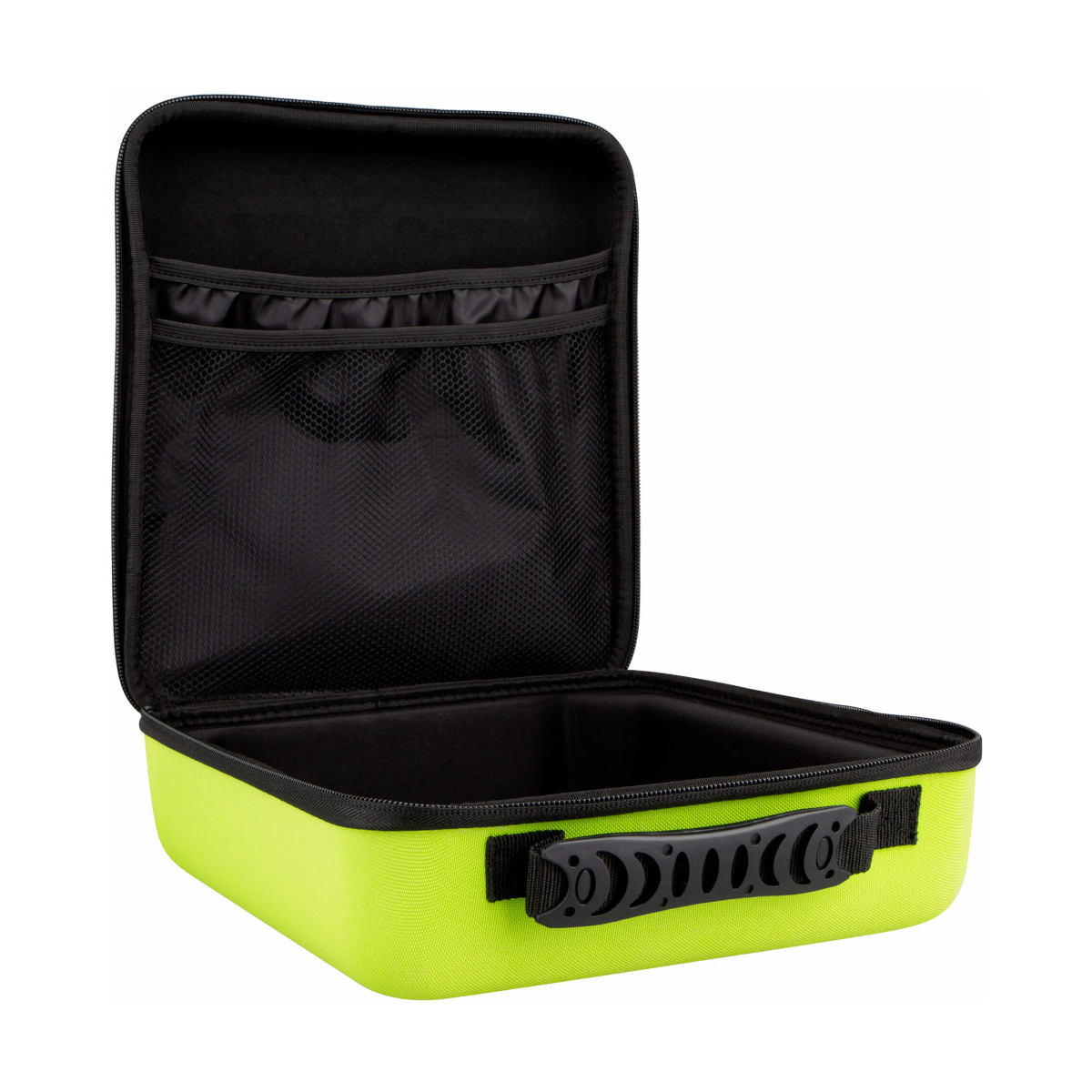
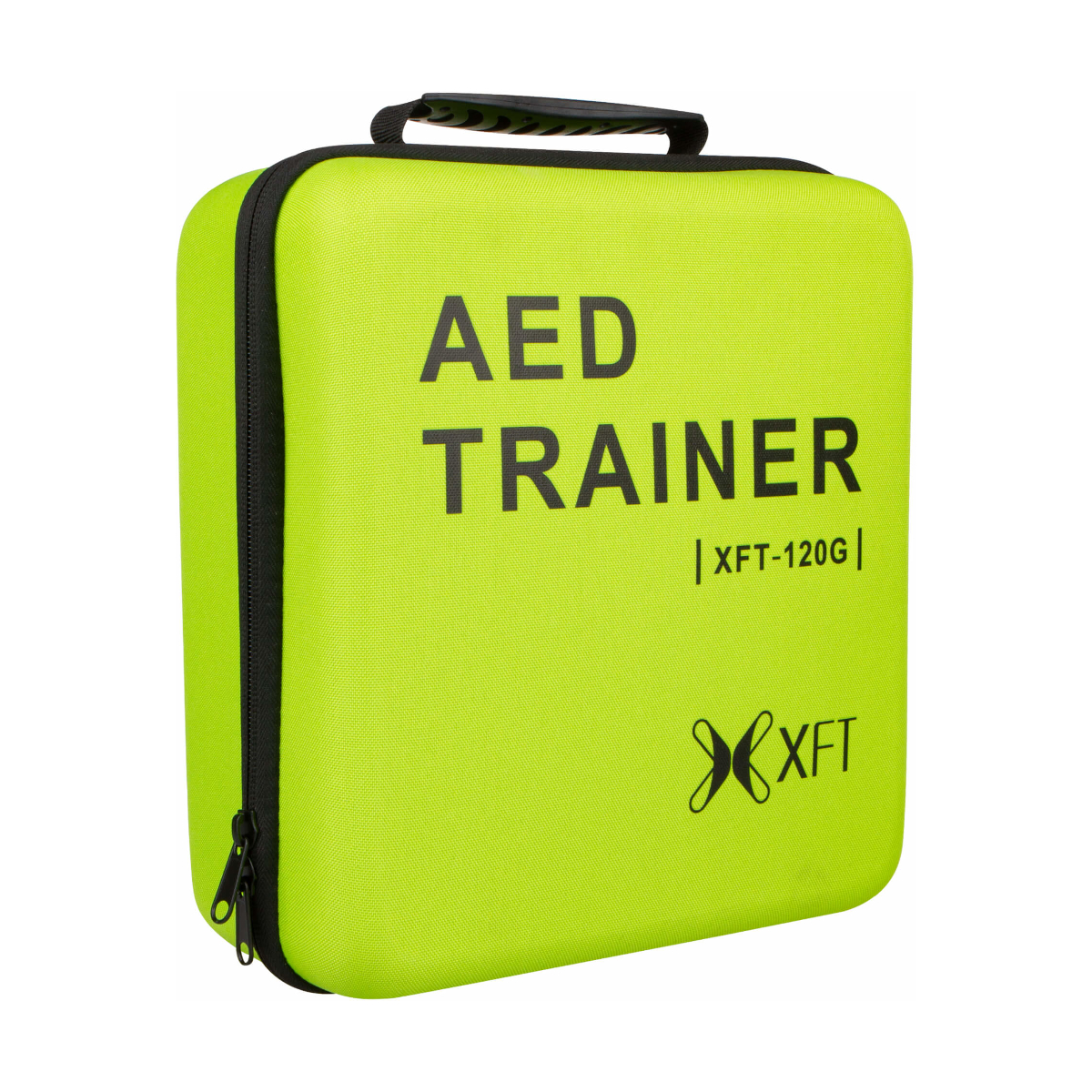
The XFT 120G AED trainer supports 4 languages (Polish, English, French, Spanish), measures approx. 25 × 23 × 7 cm and weighs 0.86 kg. Power is provided by a rechargeable lithium battery for approx. 10 hours of continuous operation. The set includes: trainer with CPR band, battery with charger, adult and child electrodes, remote control, magnetic pads, carry bag and instructions in Polish. A simpler alternative is the XFT-120C+.
Why is the XFT 120G AED trainer a step forward in AED training?
Most AED trainers only teach how to operate the device. The XFT 120G also assesses the two things that most often determine the success of a rescue: compression quality (CPR band) and electrode position (magnetic pads). The trainee immediately knows what to improve, and the instructor does not have to watch every detail.
The colour screen with text and pictures also helps people who have trouble hearing voice prompts in a noisy room. You will find other trainers in the category AED trainers.
AED electrodes – the right position matters
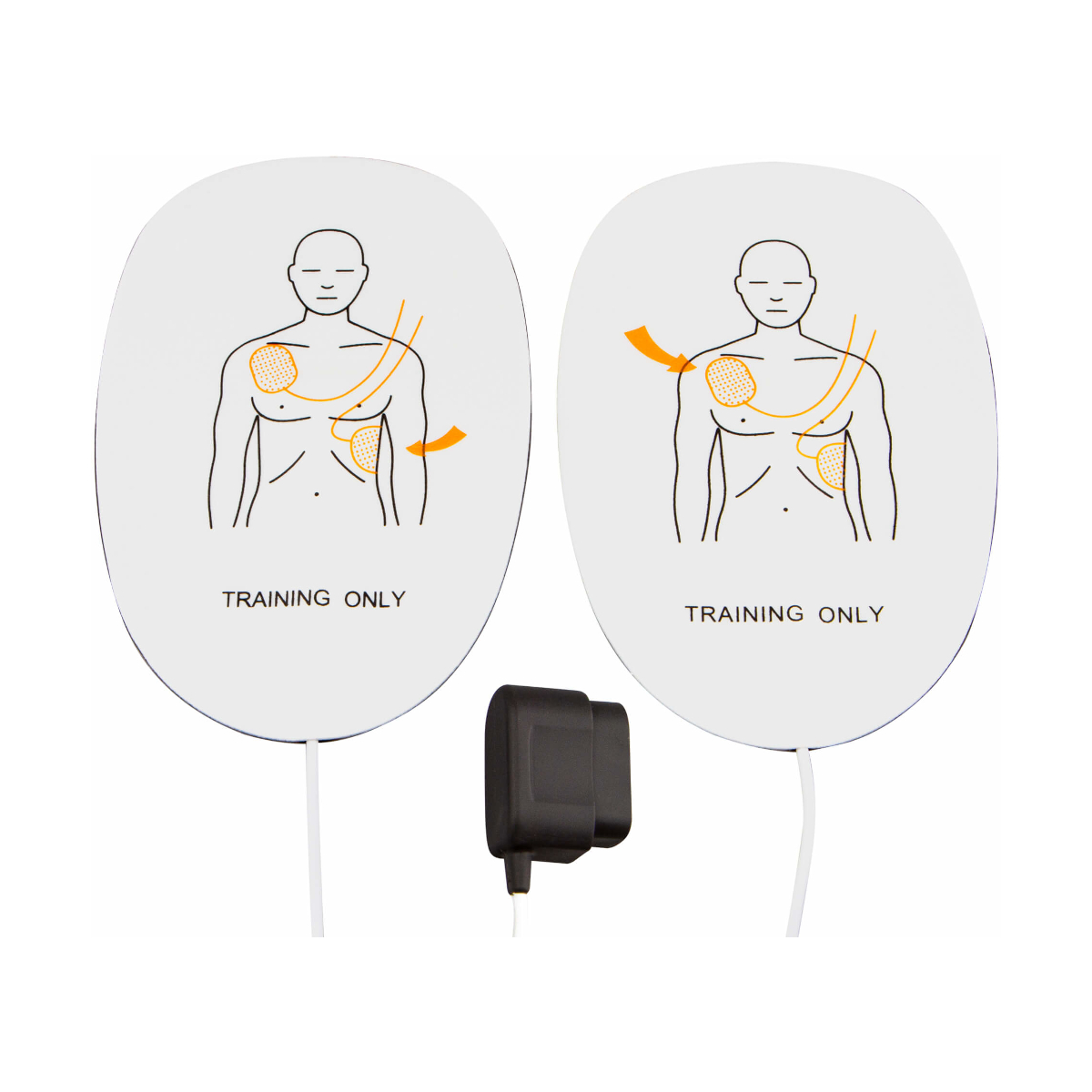
On an adult, place one electrode below the right collarbone, next to the breastbone, and the other on the left side of the chest, below the armpit, in the mid-axillary line. The electrodes must adhere to dry, bare skin. Correct placement means the current flows through the heart rather than bypassing it.
Read more about working with an AED in the article Automated external defibrillator (AED) – 7 facts.
Frequently asked questions (FAQ)
What is the CPR band for?
The trainee wears it during exercises, and the trainer assesses compression force and rate and gives feedback.
Does the XFT 120G check electrode position?
Yes – magnetic pads attached to the manikin detect whether the electrodes have been placed in the right position.
How long does the battery last?
Approx. 10 hours of continuous operation. The battery and charger are included.
Which languages does the trainer work in?
Polish, English, French and Spanish.