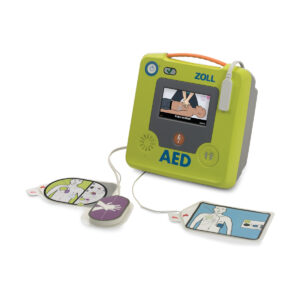
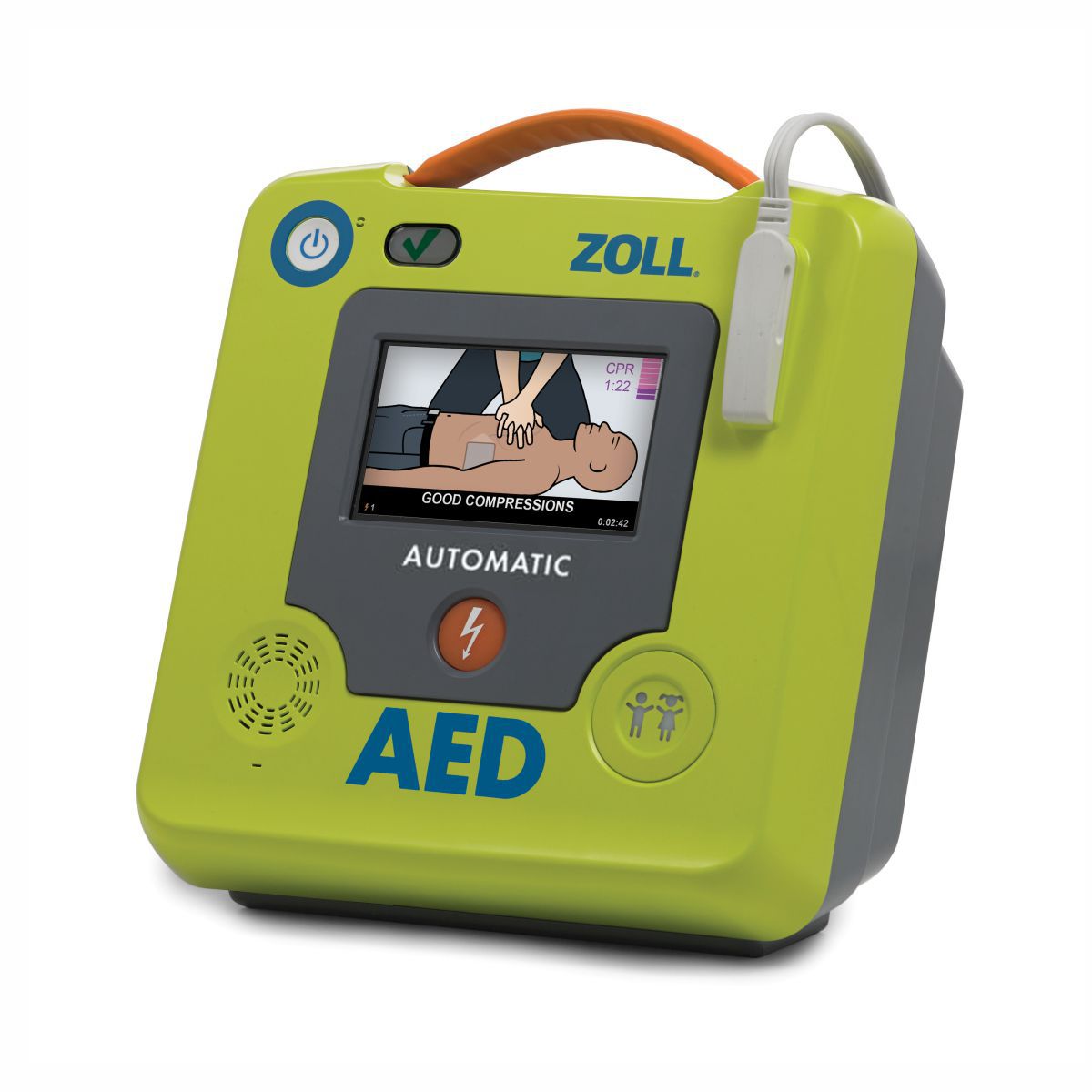
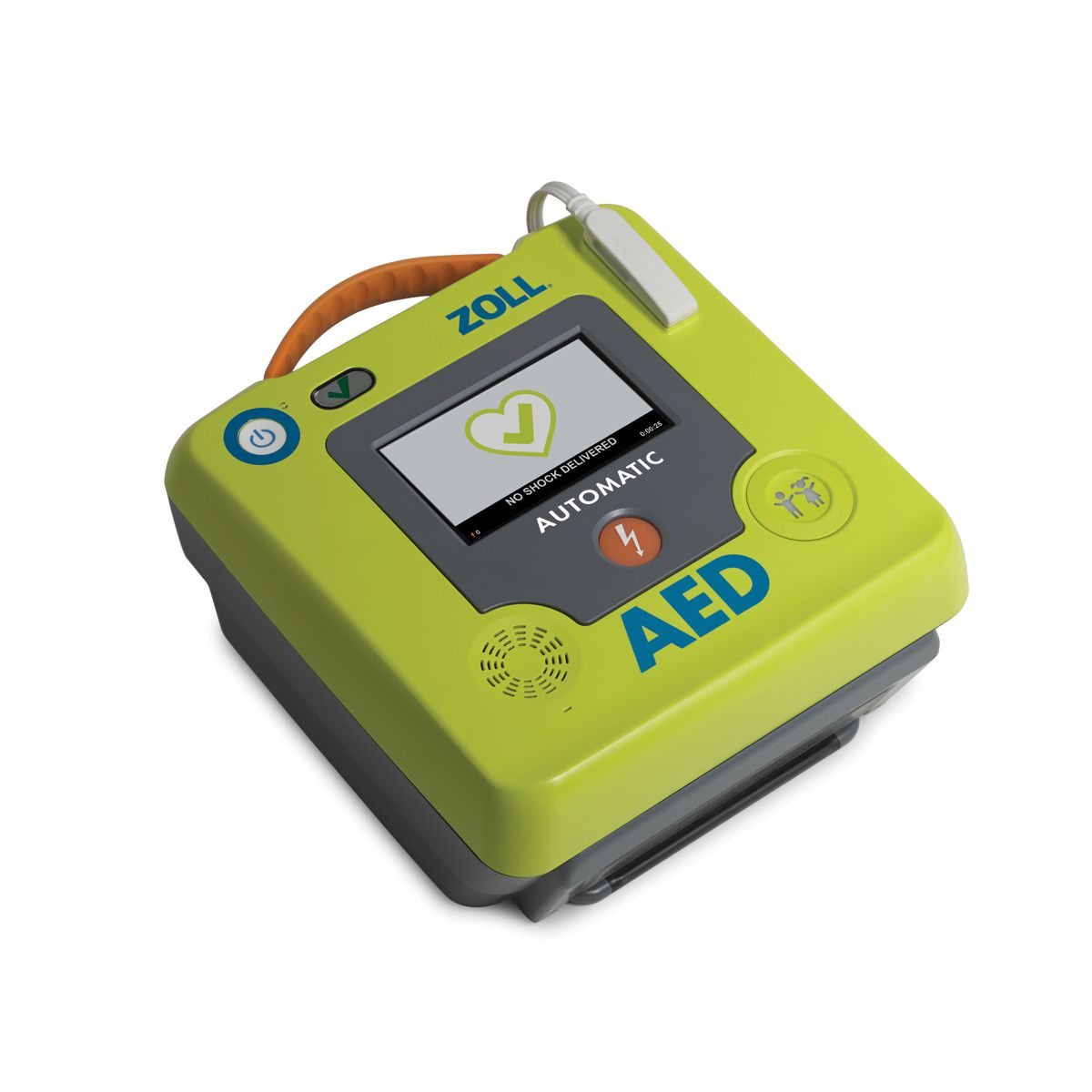
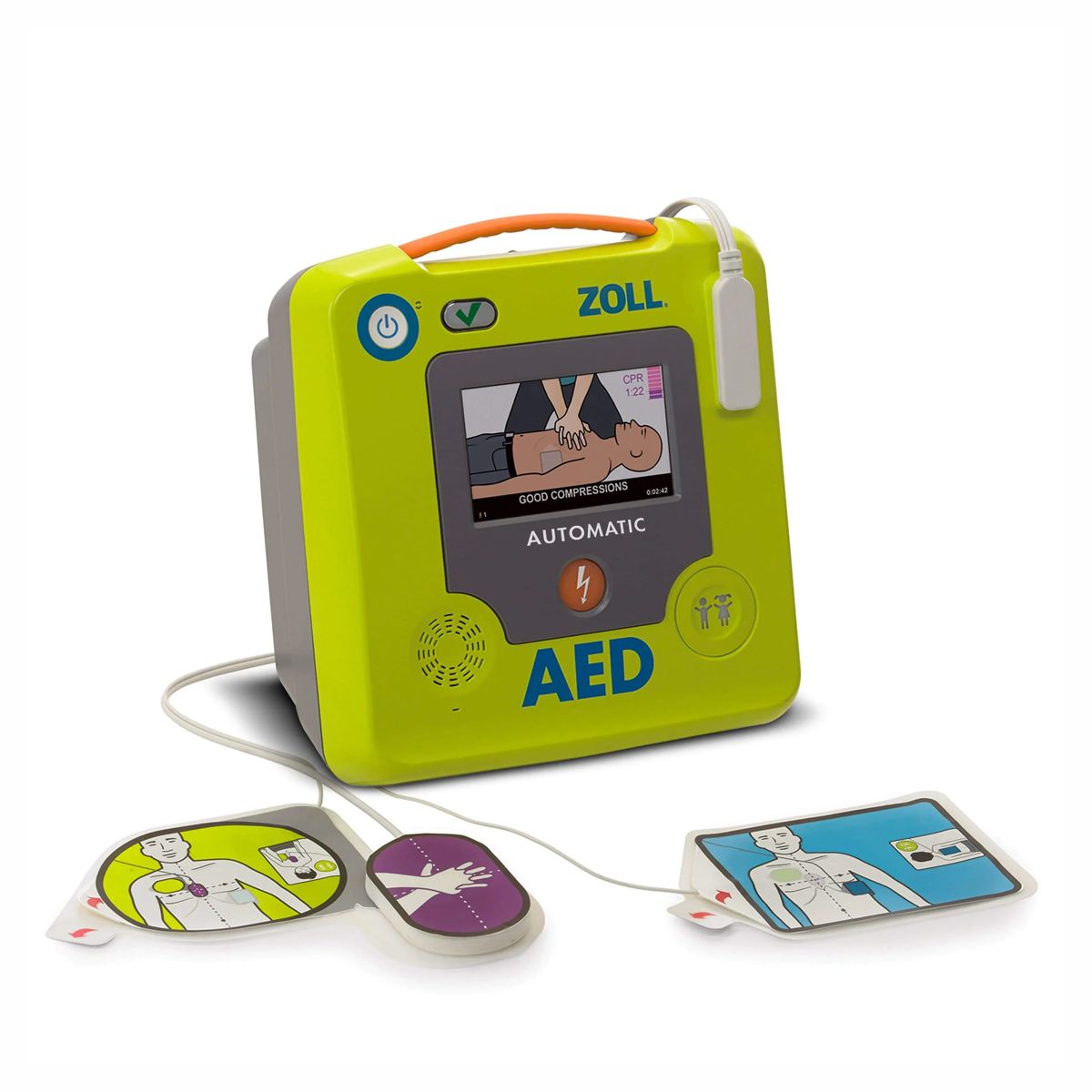
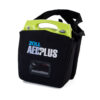
ZOLL AED 3 automatic defibrillator is the Fully-Auto version of the popular ZOLL AED 3. The device analyses the heart rhythm and, when defibrillation is advised, delivers the shock itself after a countdown, 3 seconds after the announcement. The Rescuer does not have to look for a shock button: they listen to the instructions, stand clear of the casualty and return to chest compressions straight after the shock.
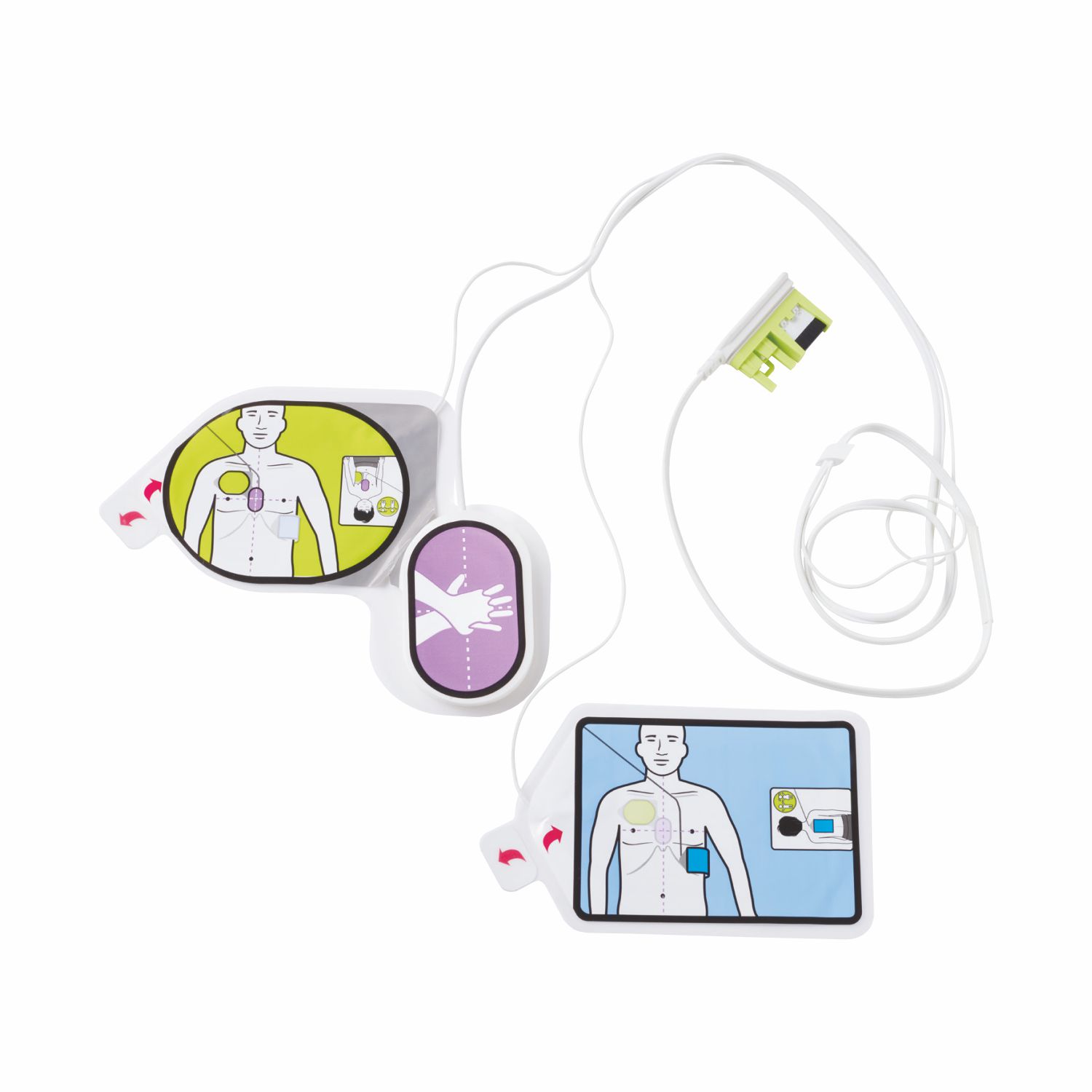
The Real CPR Help function uses a sensor in the pads: in real time it measures the depth and rate of compressions in an adult and, with a voice prompt and a message on the screen, tells you to push harder, while a metronome sets the pace. The colour touchscreen LCD (95 × 54 mm) shows graphics with the successive CPR steps. The universal CPR Uni-padz electrodes for ZOLL AED 3 are suitable for adults and children – child mode is switched on with a button, without changing the pads, and the pads have a 5-year shelf life.
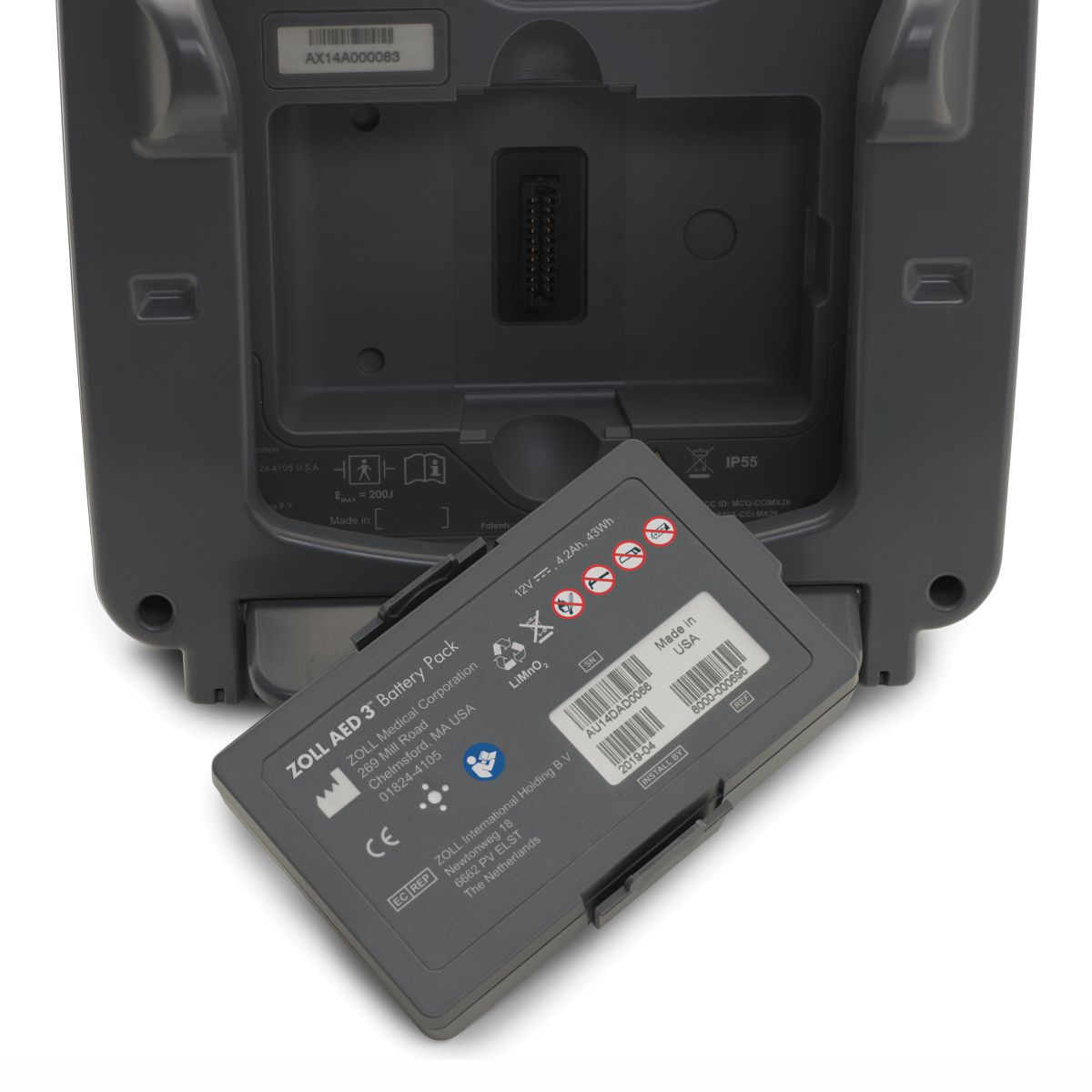
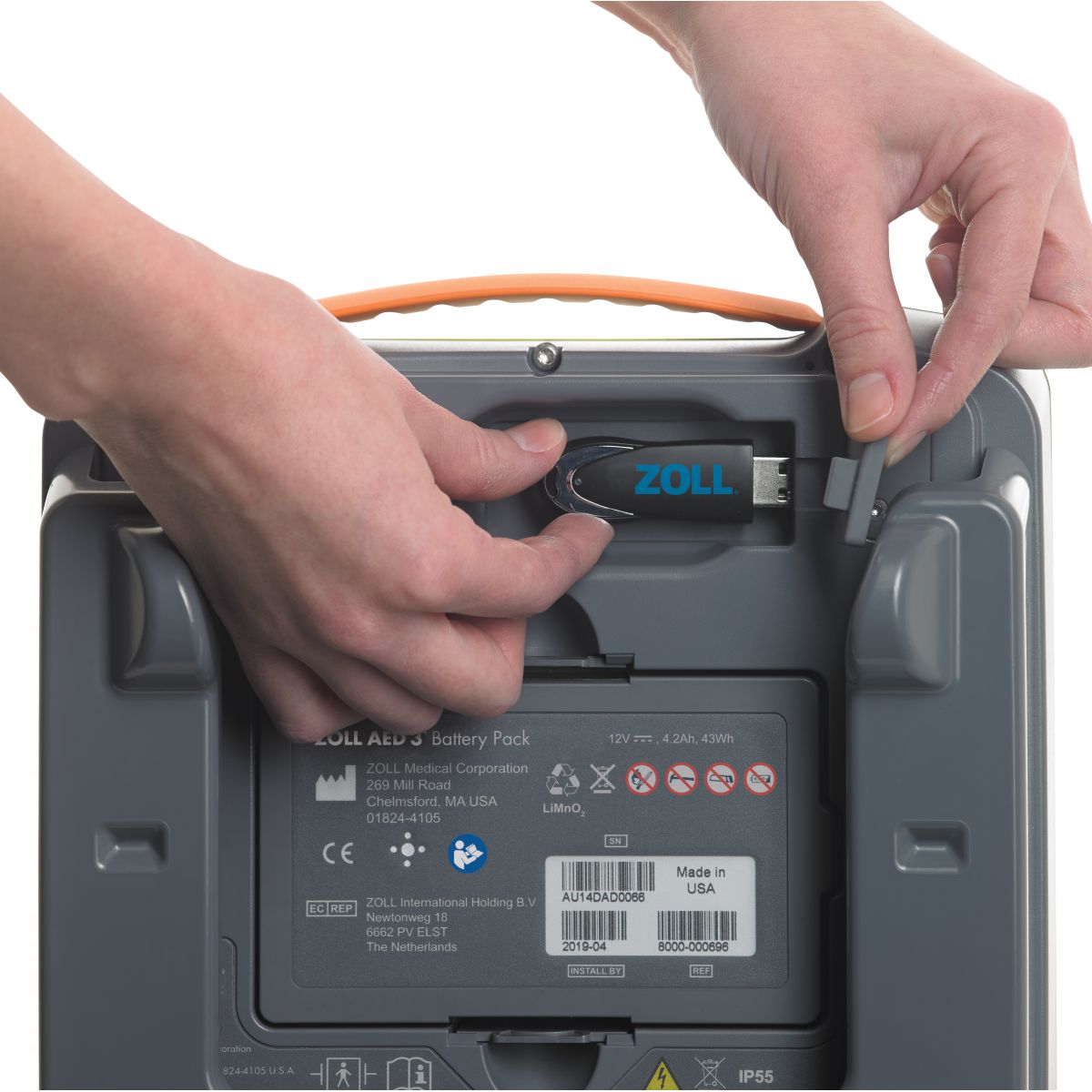
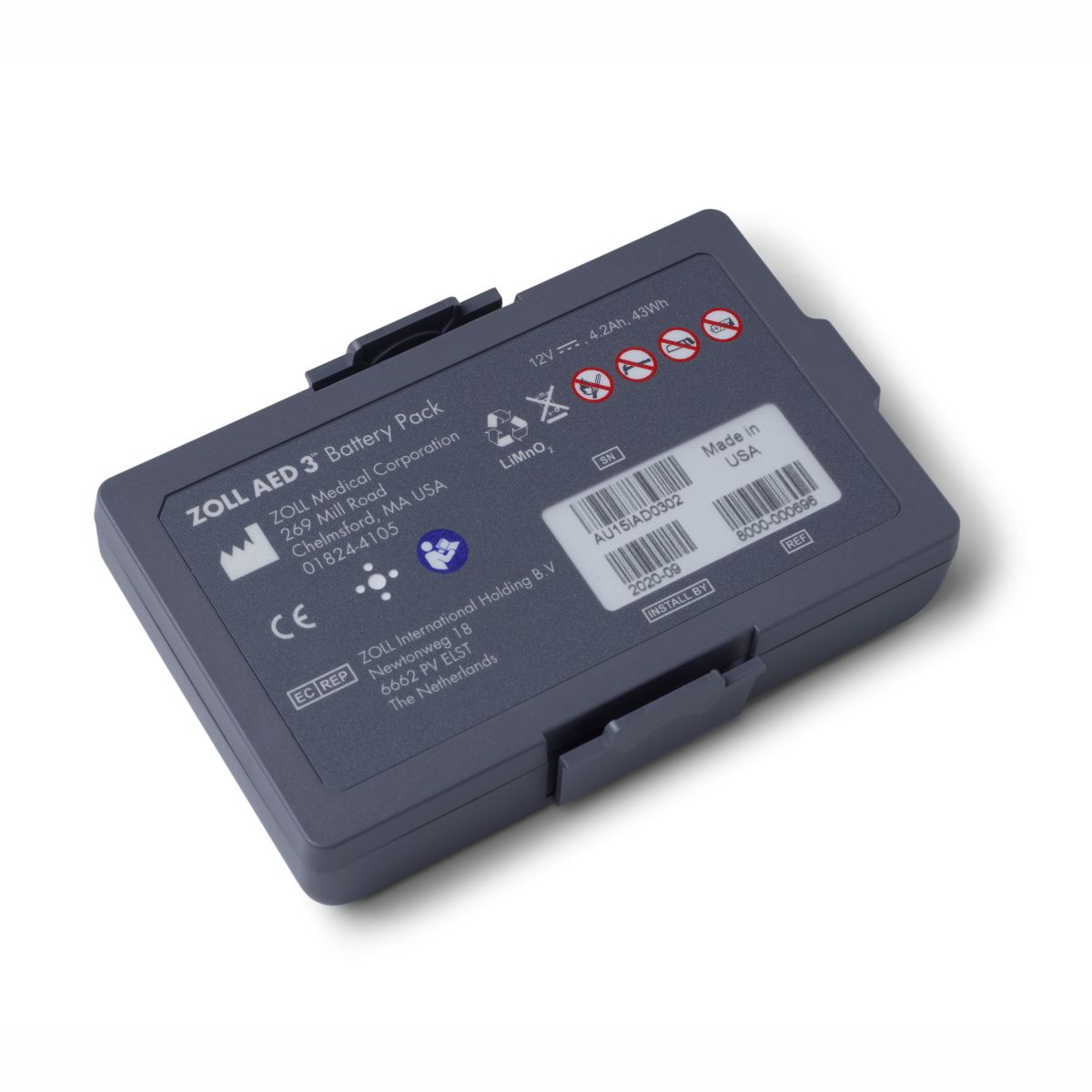
Built-in Wi-Fi connects the defibrillator to the PlusTrac system, which notifies you of a failed self-test, e.g. a depleted battery or expired pads; data from an incident can be sent via USB or Wi-Fi to ZOLL Case Review. Self-tests are daily or weekly, and once a month the device performs a full-energy 200 J test. The ZOLL AED 3 battery lasts 5 years with weekly self-tests (3 years with daily tests or Wi-Fi reporting) and is enough for 140 shocks of 200 J. The housing has an IP55 rating and withstands a 1 m drop; for transport you can use the ZOLL AED 3 bag.
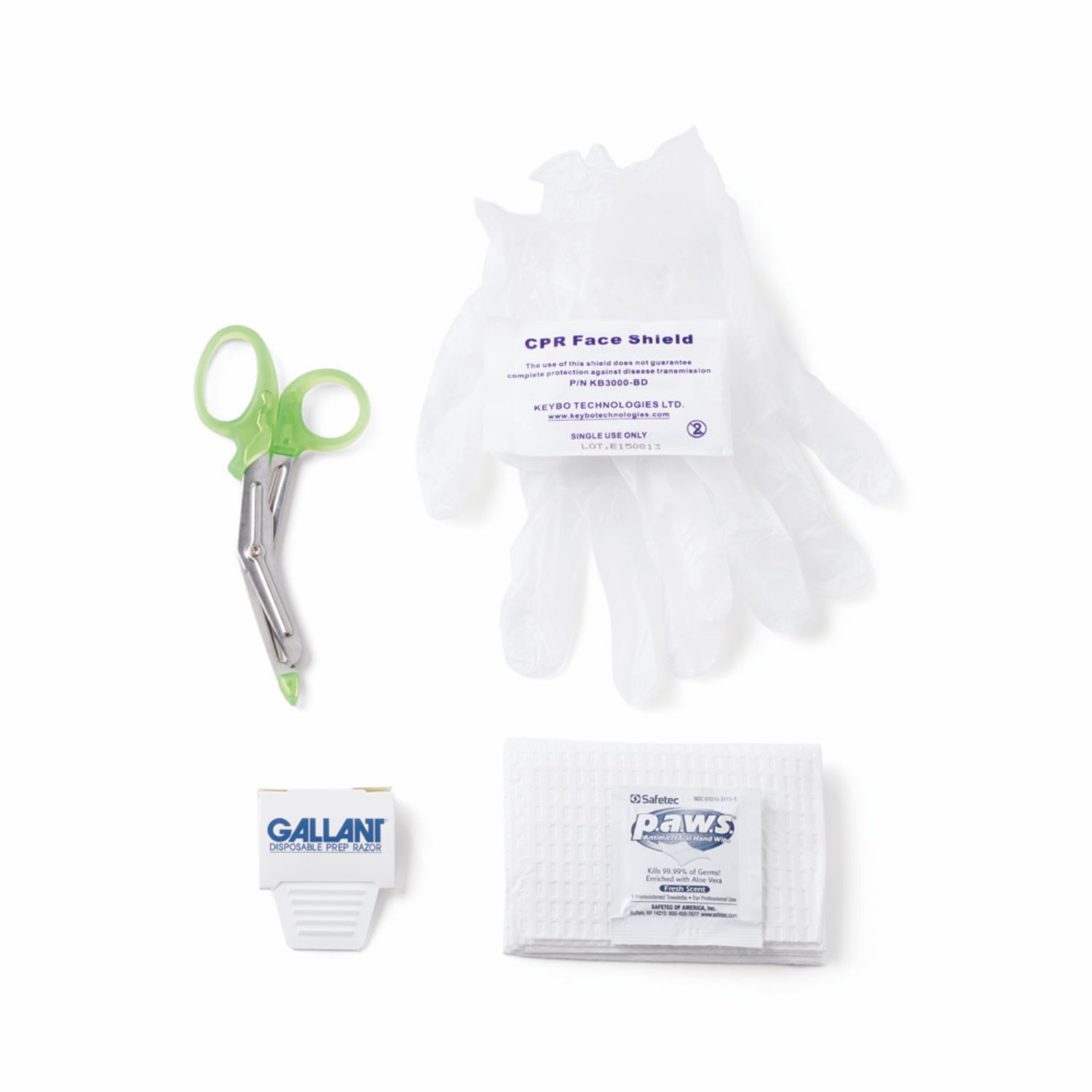
The set includes the defibrillator, a ZOLL AED 3 Battery Pack, CPR Uni-padz pads, a mini first aid kit (latex-free gloves, protective face shield, razor, paper towel and wipe) and an instruction manual.
ZOLL AED 3 automatic defibrillator or semi-automatic?
Both models have the same features: Real CPR Help, touchscreen, Uni-padz pads, Wi-Fi and battery. They differ in how the shock is delivered. With the semi-automatic version of ZOLL AED 3 the Rescuer presses the flashing shock button. ZOLL AED 3 automatic defibrillator does it by itself, so it works well where an untrained person may reach for the AED and, under stress, might hesitate to press the button.
In both versions, good resuscitation matters most – the AED tells you whether compressions are deep and fast enough. Replace the pads after each use. Keep the ZOLL AED 3 automatic defibrillator in a visible, marked place so that anyone can reach it quickly – at a company, public office, school or sports facility. You will find other models in the category AED defibrillators and accessories.
How does an automatic AED defibrillator work?
Once the pads are attached, the AED assesses the heart rhythm itself and decides whether a shock is needed – it will not deliver one to a person who does not require it. The ZOLL AED 3 automatic defibrillator warns before the shock with a message and a countdown, so no one may touch the casualty during that time. You can read more about these devices in the article Automated external defibrillator AED – 7 facts about the life-saving device.
Frequently asked questions (FAQ)
What is the difference between the automatic and semi-automatic versions?
The ZOLL AED 3 automatic defibrillator delivers the shock itself after a countdown. With the semi-automatic version, the Rescuer presses the shock button. The other features are the same.
What is Real CPR Help?
A sensor in the electrodes measures the depth and rate of compressions on an adult, and the AED tells you by voice and on screen how to improve them.
Is the ZOLL AED 3 automatic suitable for children?
Yes – child mode is switched on with a button, using the same CPR Uni-padz electrodes.
How long does the battery last?
5 years with weekly self-tests, 3 years with daily tests or Wi-Fi reporting; 140 shocks of 200 J.