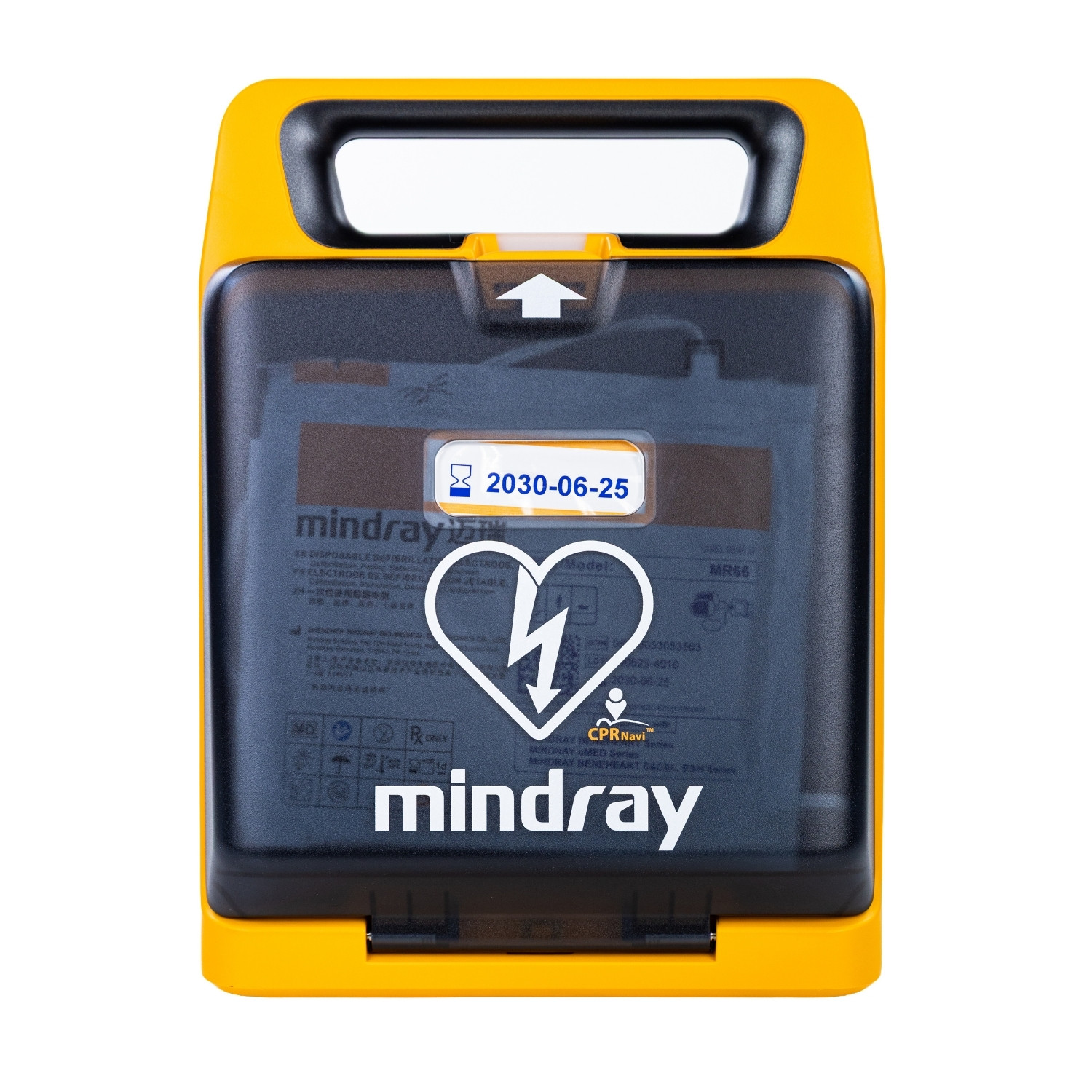
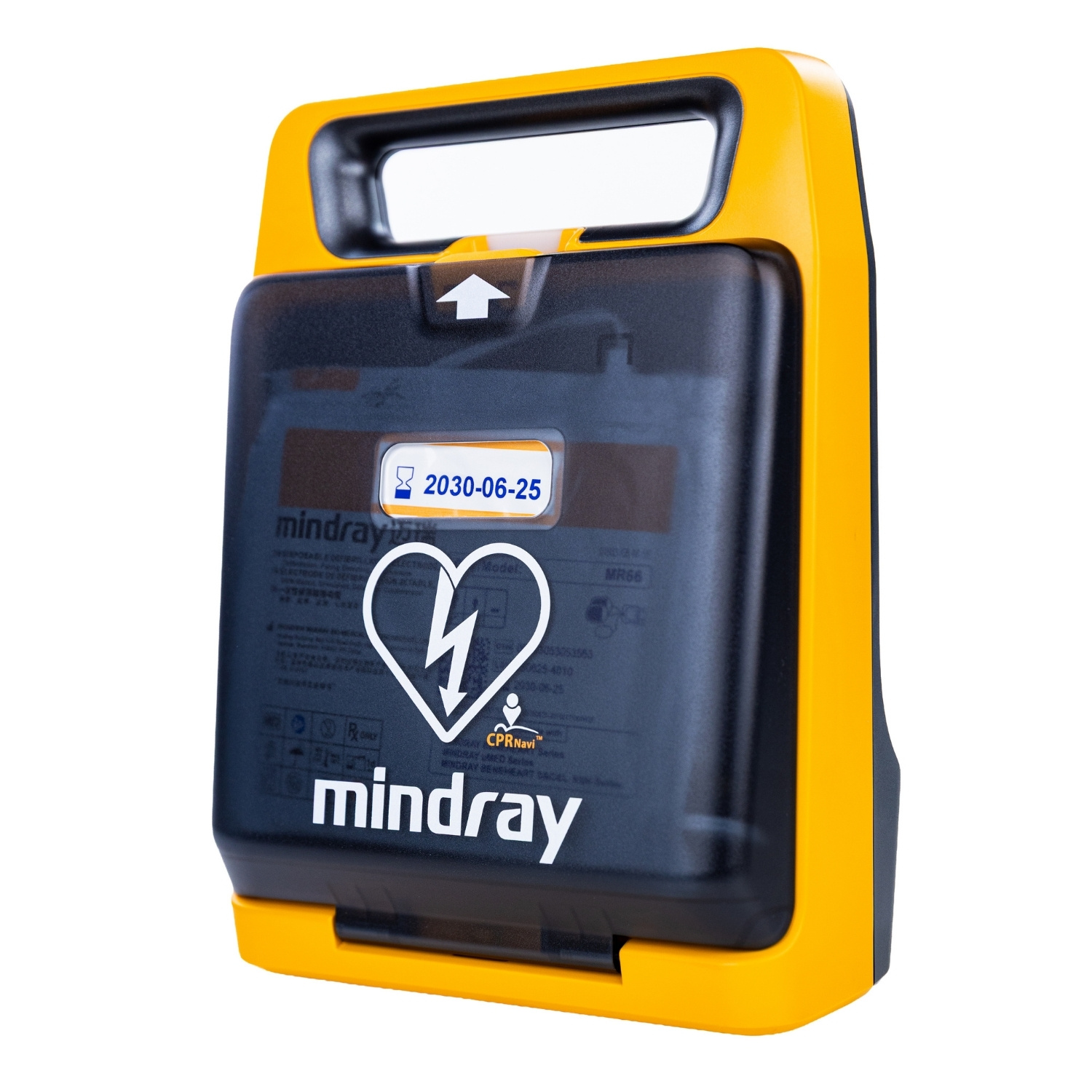
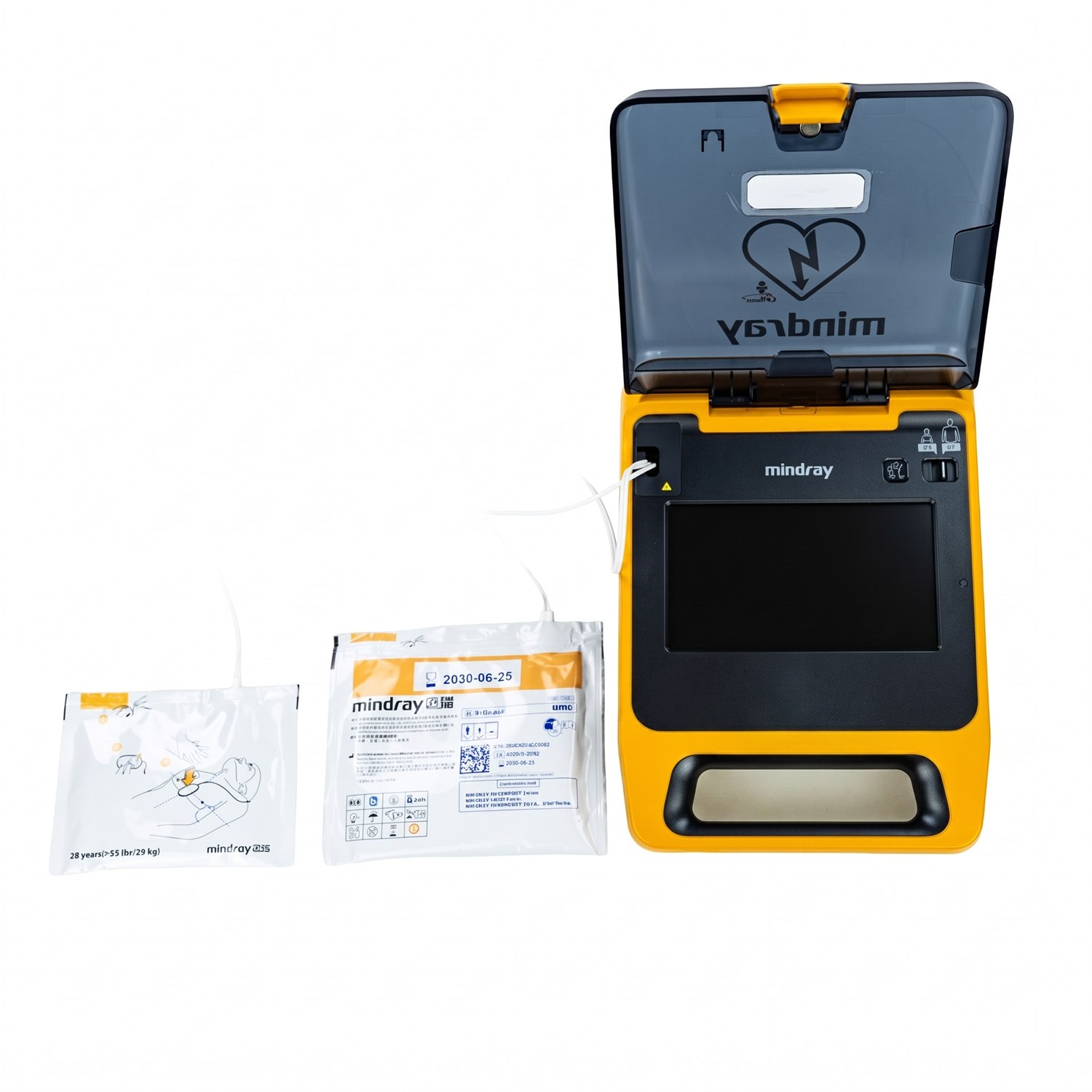
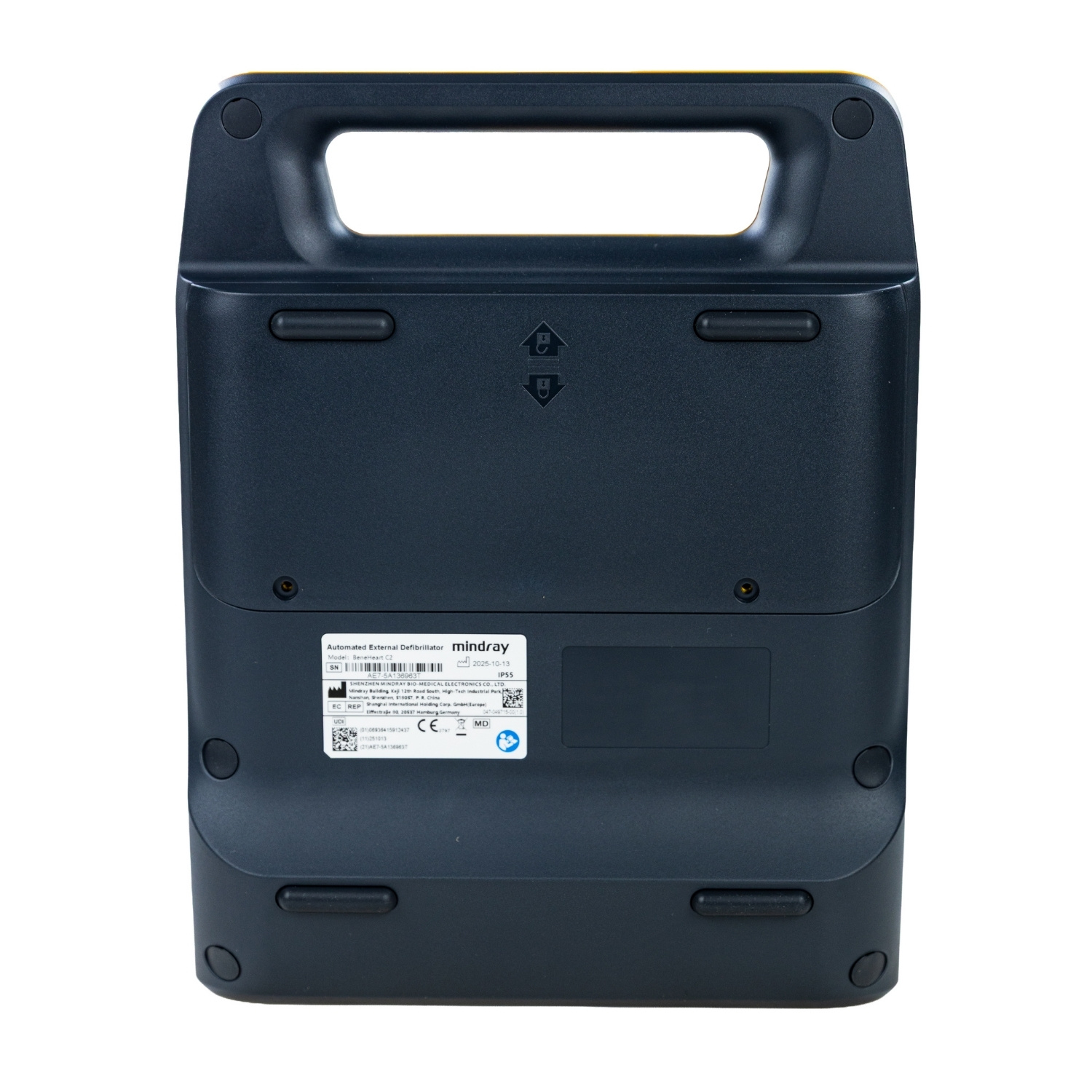
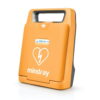
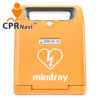
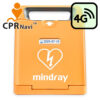
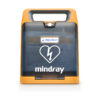
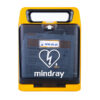
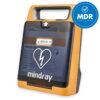
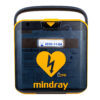
Mindray BeneHeart C2 AED defibrillator is an automated defibrillator with a 7" LCD display and a CPR Navi function, designed to help in sudden cardiac arrest. The device guides the user with voice prompts, visual instructions and animations on the screen.
The electrodes with a compression sensor work with CPR Navi: the sensor analyses the depth, rate and chest recoil after each compression, and guidance is given by voice and on screen. Measurement is based on two types of sensor, acceleration and pressure. ResQNavi™ technology adjusts the level of instructions to the situation and the user's skills, so the device is intended both for people with no medical experience and for trained Rescuers.
The electrodes are intended for adults and children, and the mode is changed with a simple adult/child switch. Up to 3 configured languages can be selected. The device is powered by a lithium-manganese battery. Mindray BeneHeart C2 AED defibrillator shows each step as an animation on the 7" LCD screen, which makes them easier to carry out under time pressure.
Why choose the Mindray BeneHeart C2 AED defibrillator?
In sudden cardiac arrest, every pause in the rescue effort counts. QShock™ technology allows the first shock to be delivered in under 8 seconds, and ECG analysis takes about 5 seconds. The discharge has a biphasic waveform with energy of up to 360 J. Mindray BeneHeart C2 AED defibrillator has an adult/child mode switch and the option to select up to 3 configured languages.
Daily automatic self-tests check readiness, and the rugged design is resistant to dust, water and drops. Other models can be found in the category AED defibrillators.
With the Mindray BeneHeart C2 AED, you get a device with a CPR Navi sensor that assesses compression depth, rate and chest recoil during CPR. Ingress protection and temperature range are in the “Additional information” tab.
How to use an AED during a rescue?
First, assess the safety of the scene. If the casualty is unresponsive and not breathing normally, call 999 or 112, start chest compressions and ask someone to bring a defibrillator. A bystander taking action can decide whether the casualty survives. After switching the device on, follow the voice prompts and the animations on the screen, and during CPR use the CPR Navi guidance on compression depth and rate.
Before use, check the validity of the battery and electrodes: the shelf life is 5 years from the date of manufacture. You can read more about the device in the article Chapter VIII – Automated external defibrillator (AED).
Frequently asked questions (FAQ)
How quickly does the device deliver the first shock?
QShock™ technology makes it possible to deliver the first shock in under 8 seconds. ECG analysis takes about 5 seconds.
Can the defibrillator be used on a child?
Yes, the device has electrodes for adults and children and a simple adult/child mode switch.
How long are the battery and electrodes valid for?
The shelf life of the battery and electrodes is 5 years from the date of manufacture.