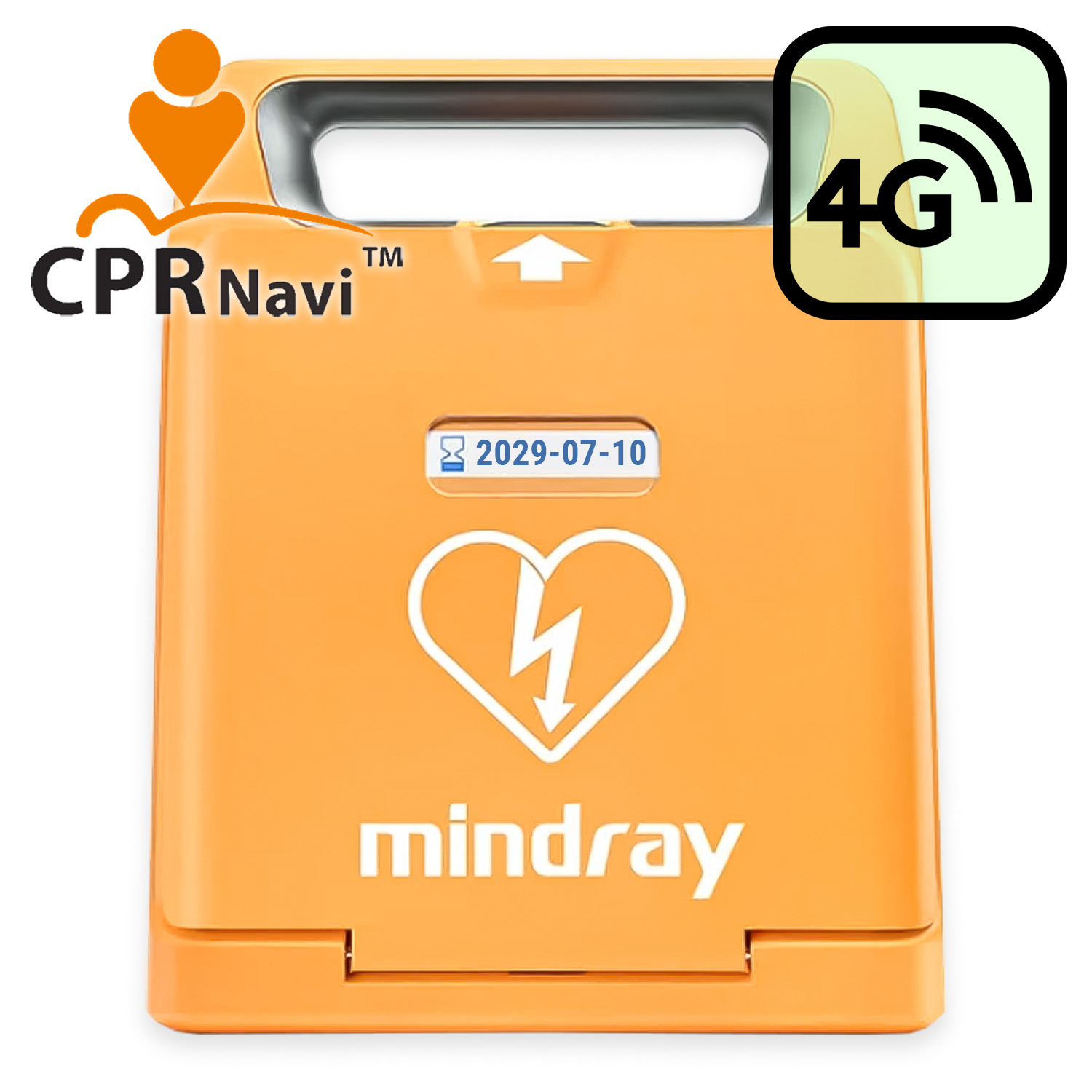
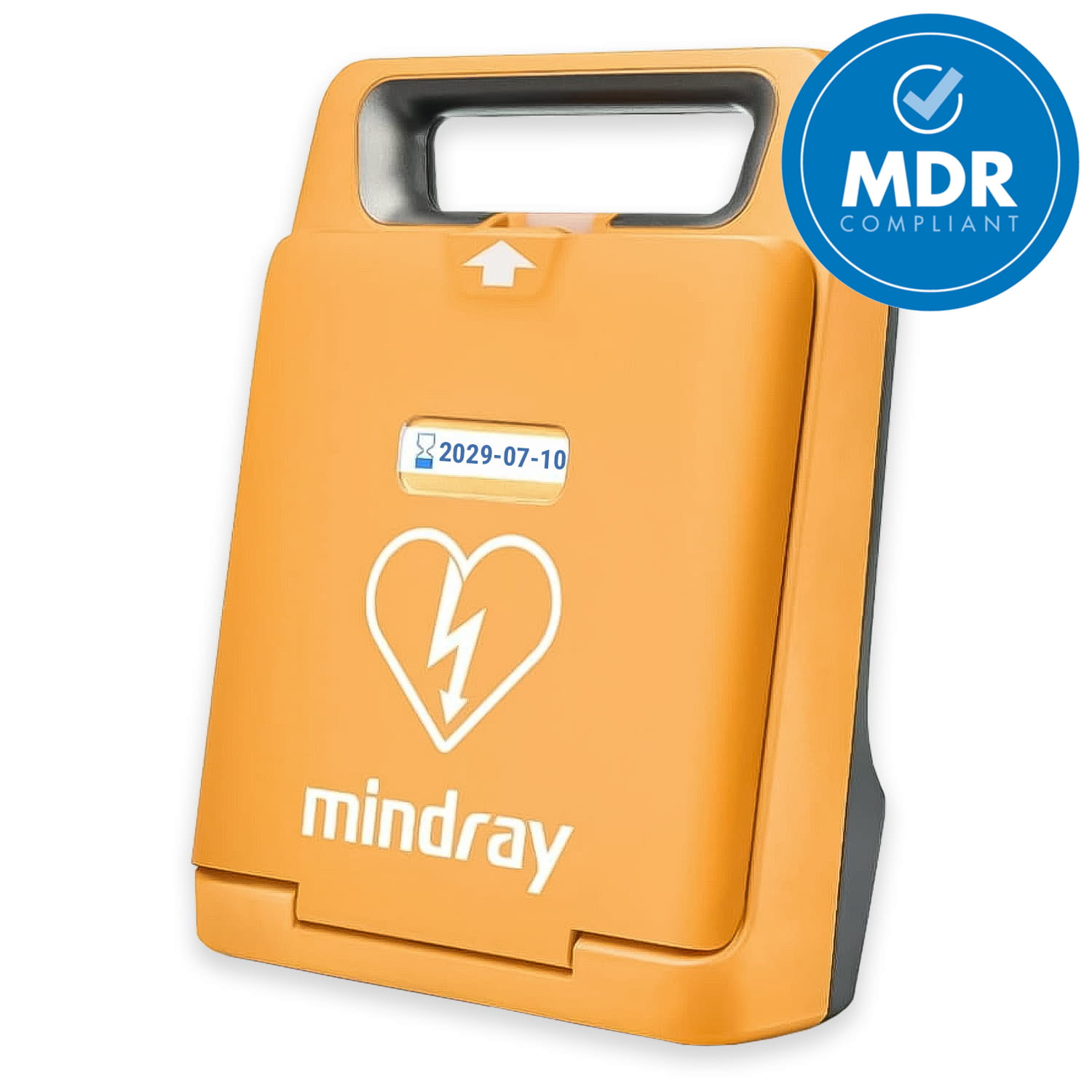
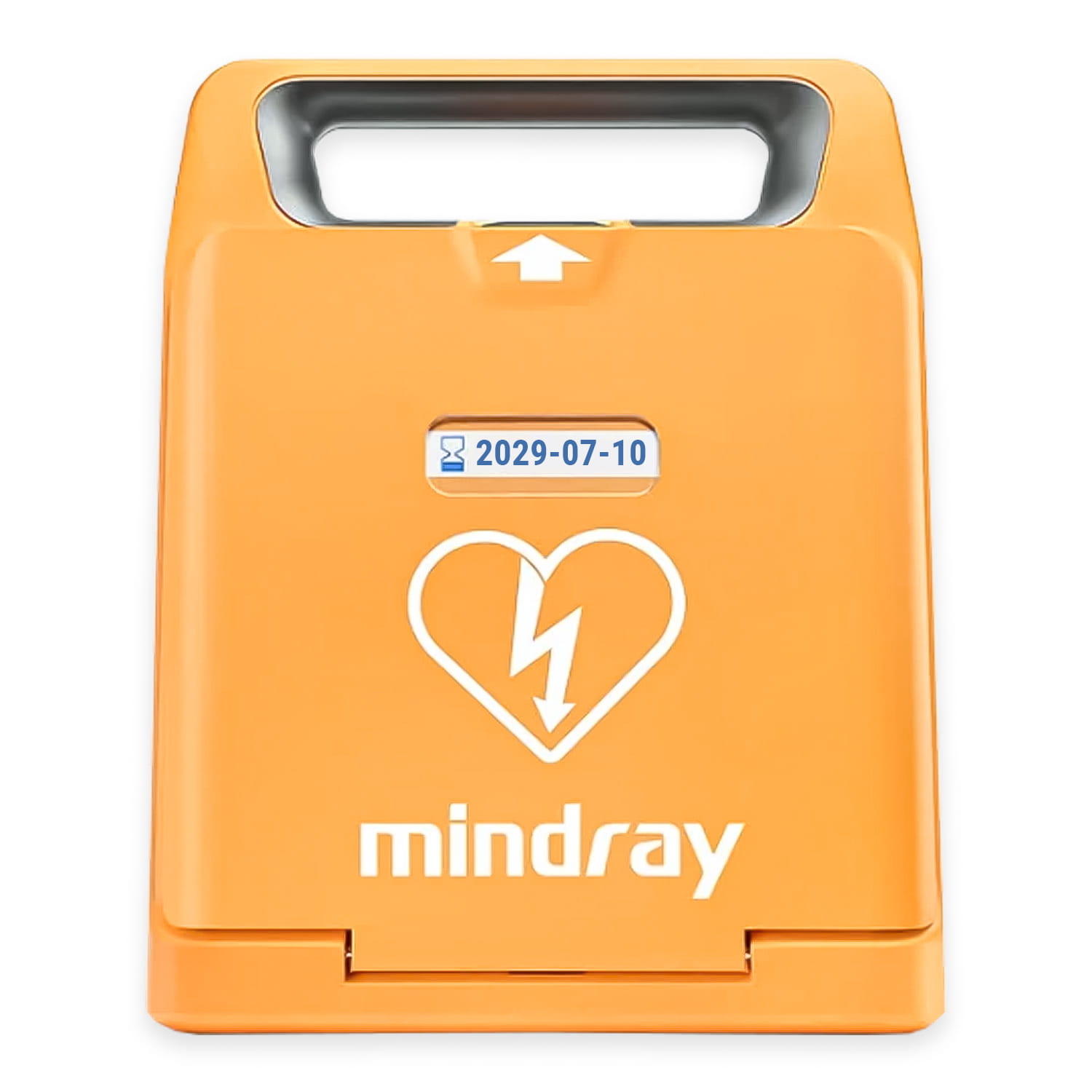
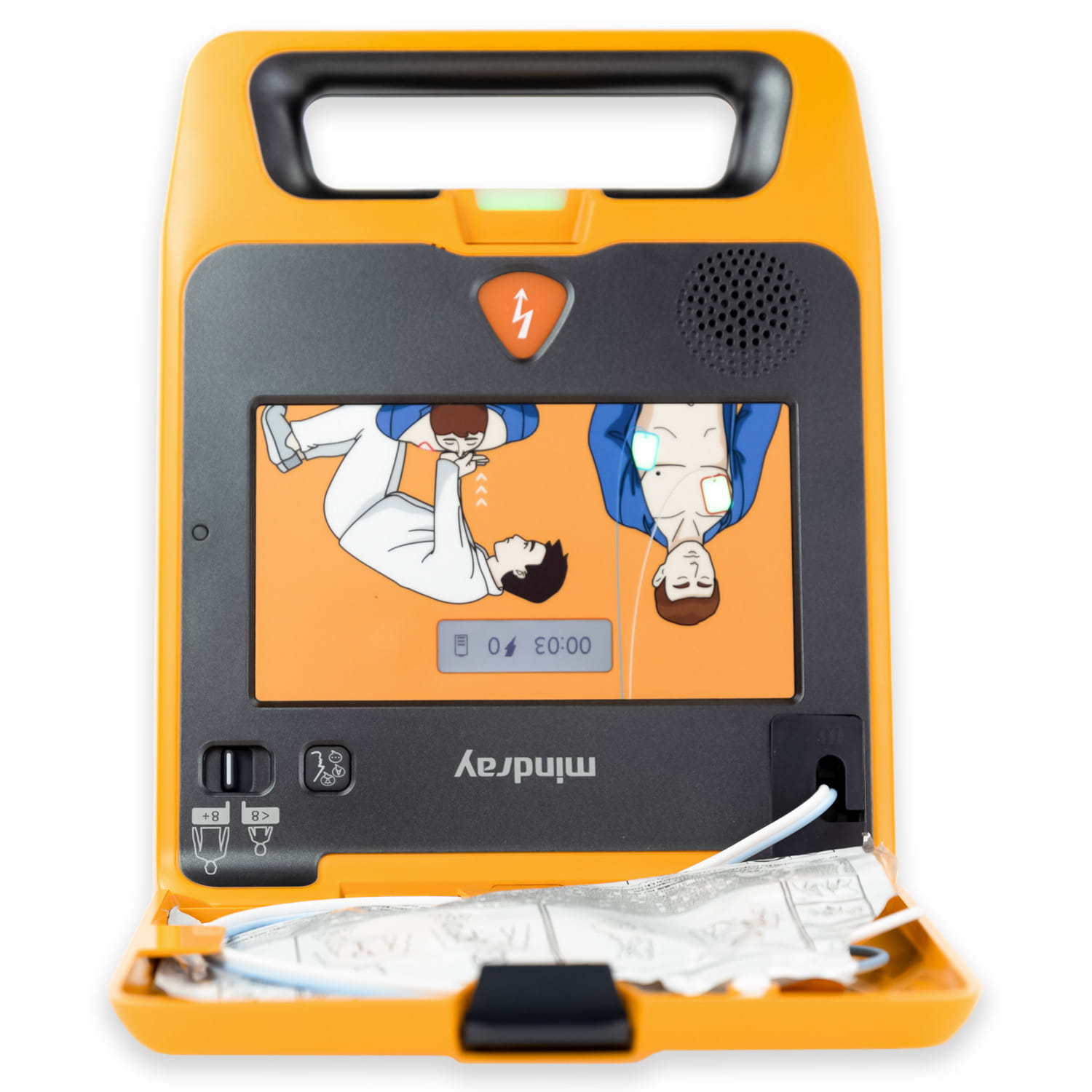
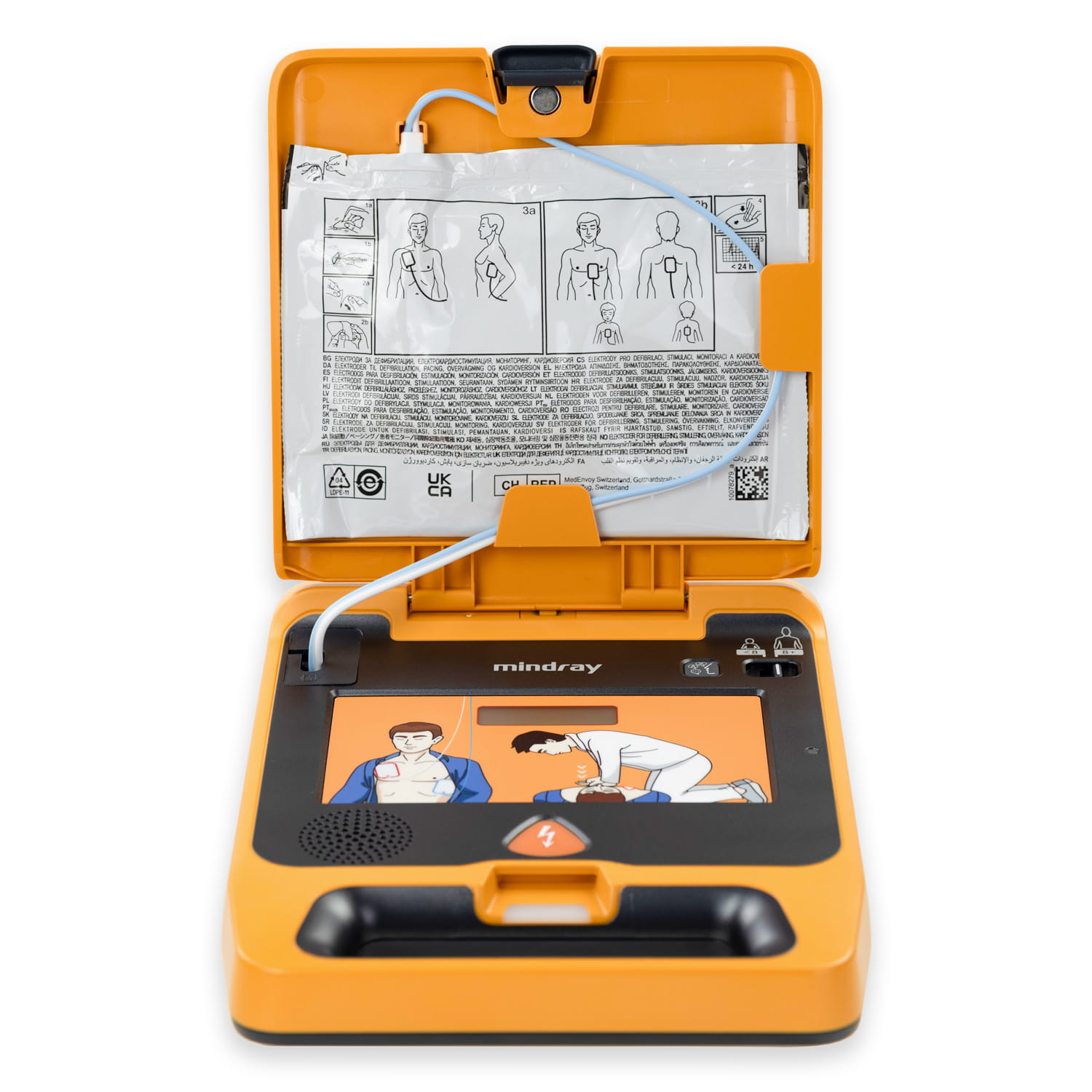
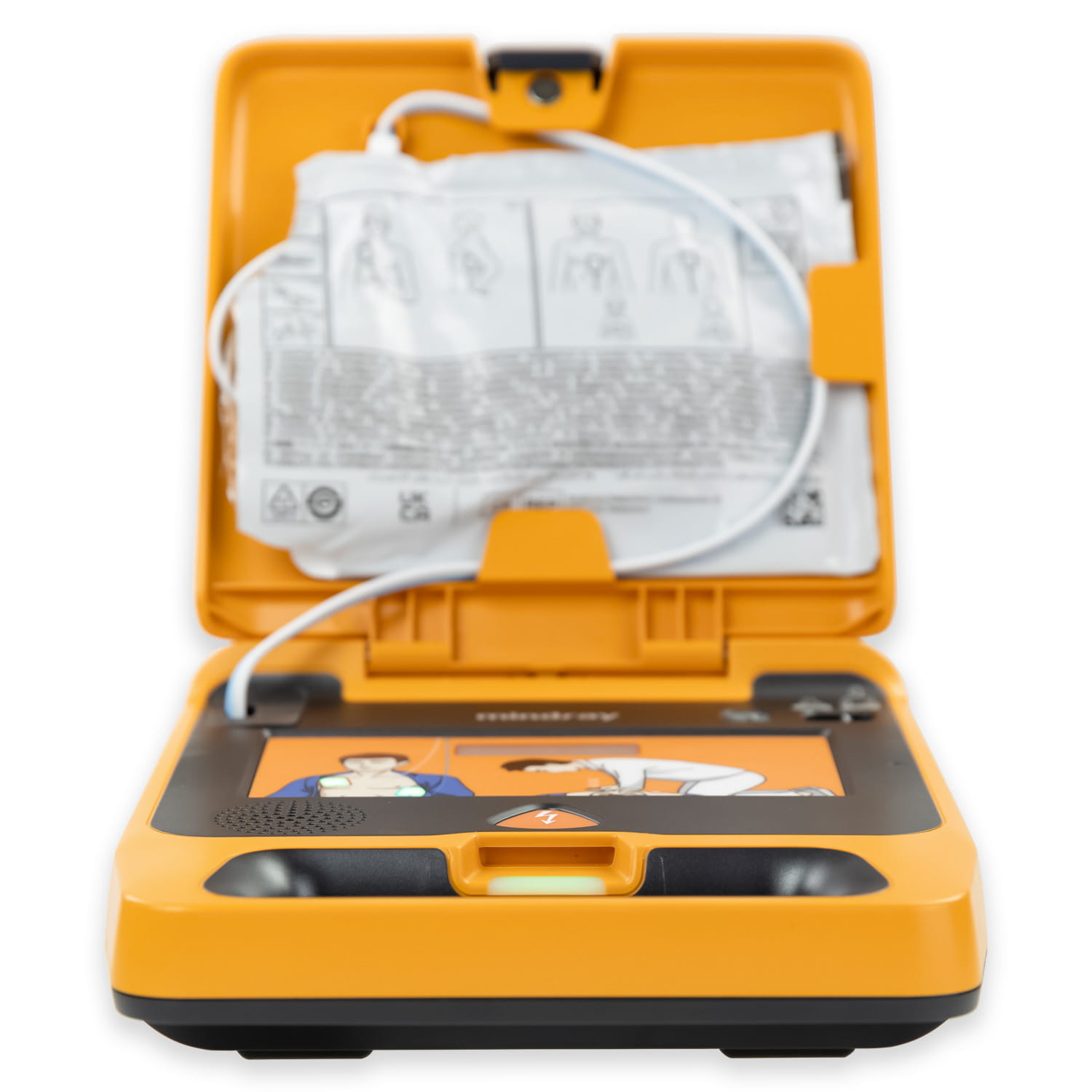
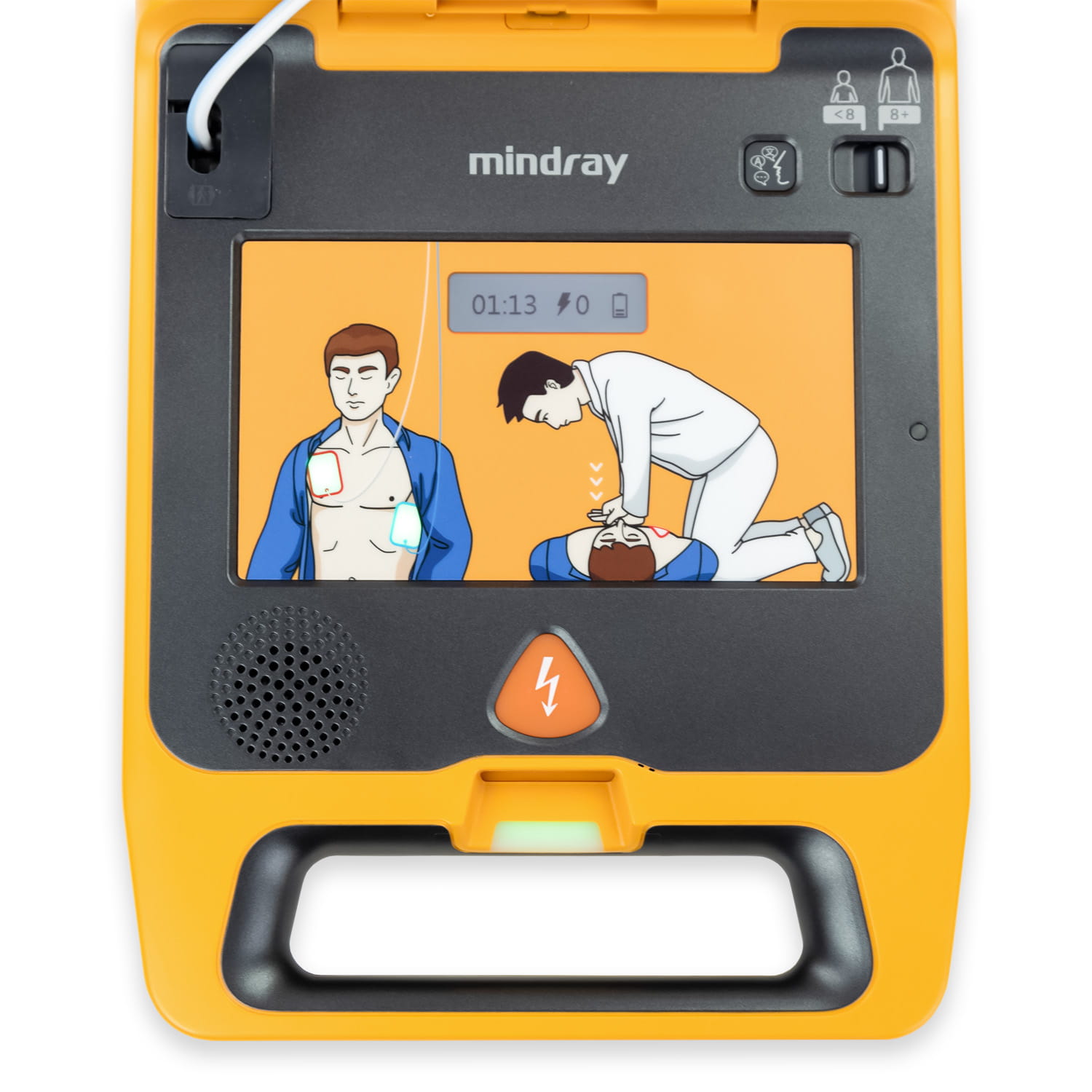
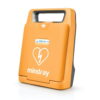
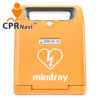
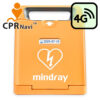
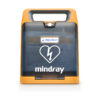
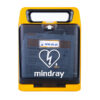
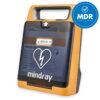
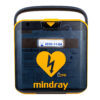
AED defibrillator BeneHeart C1A 4G is a semi-automatic Mindray defibrillator (model C1A) equipped with a CPR Navi compression sensor and 4G network management. The adult and child electrodes are pre-connected, so there is no need to prepare additional sets.
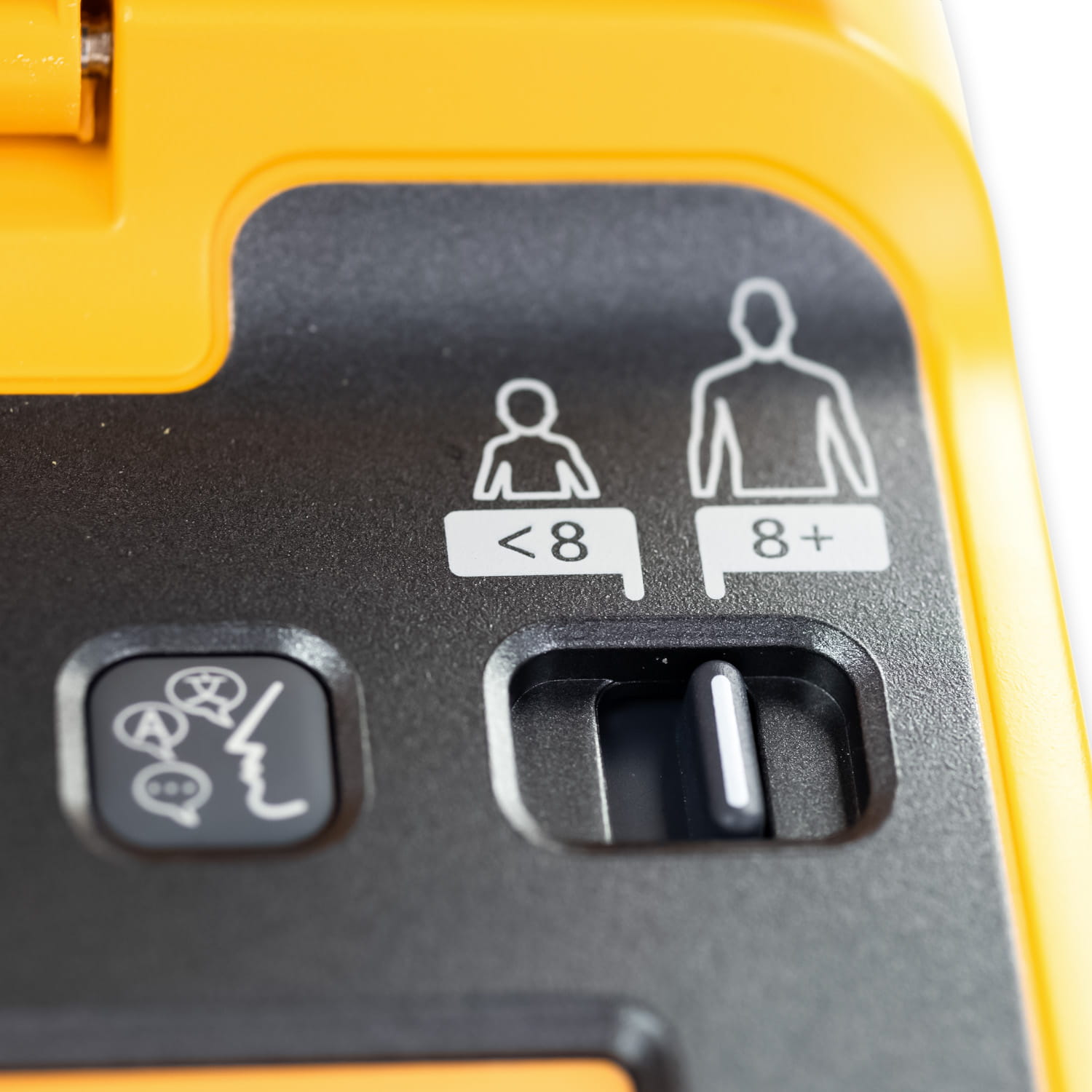
Opening the cover switches on the power. Start-up takes two seconds and ECG analysis five seconds, while the shock is charged at the same time as the analysis. The first shock is delivered in under eight seconds. The defibrillator uses a biphasic discharge waveform with energy of up to 360 J. A simple switch activates the child mode, and the language button lets you choose one of up to three pre-configured languages.
ResQNavi technology adapts the instructions to the user: the device analyses the time spent on each step and changes the pace and level of prompts. The equipment is intended for companies, public offices and schools, public spaces and the home. AED defibrillator BeneHeart C1A 4G weighs 2 kg and measures 21 x 28.6 x 7.8 cm.
Why choose the AED defibrillator BeneHeart C1A 4G?
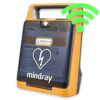
The CPR Navi function analyses the depth and rate of chest compressions as well as their rhythm. When compressions are too shallow, too fast or irregular, the device gives voice and visual prompts on what to correct. A person with no medical experience receives full step-by-step instructions, while a professional receives only the essential guidance. For companies, public offices and schools with several locations, the AED defibrillator BeneHeart C1A 4G allows the condition of devices to be monitored centrally.
The 4G version sends data to a dedicated management platform: battery level, electrode status, self-tests and faults. The device also sends notifications about expiring electrodes and battery replacement, and daily diagnostic tests can be run remotely.
It is a practical solution for organisations that have defibrillators in many locations and want to monitor them centrally. See also our other AED defibrillators. Power supply and other parameters are in the “Additional information” tab.
How to use an AED in sudden cardiac arrest?
First, assess the safety of the scene and the condition of the casualty. If the casualty is unresponsive and not breathing normally, call 999 or 112, start chest compressions and ask someone to bring a defibrillator. A casualty's survival may depend on a bystander taking action. After the cover is opened, the device switches on by itself, and you then follow the voice instructions. For a child, use the paediatric mode switch.
The defibrillator operates at temperatures from -5 °C to 50 °C. For long-term storage (over 7 days), the recommended range is 15 °C to 35 °C. A daily self-test checks that the device is ready for use. You can find more about the rules for using an AED in the article Chapter VIII – Automated external defibrillator (AED).
Frequently asked questions (FAQ)
Are separate electrodes needed for a child?
No. The adult and child electrodes are pre-connected, and the child mode is activated with a switch.
What is the 4G function for?
The defibrillator sends data on battery level, electrode condition, self-tests and faults to the management platform, and sends notifications about electrodes nearing expiry and the need to replace the battery. It also enables remote diagnostic tests.
How resistant is this defibrillator?
It meets the IP55 standard (protection against dust and water) and has passed a drop test from a height of 1.5 m.