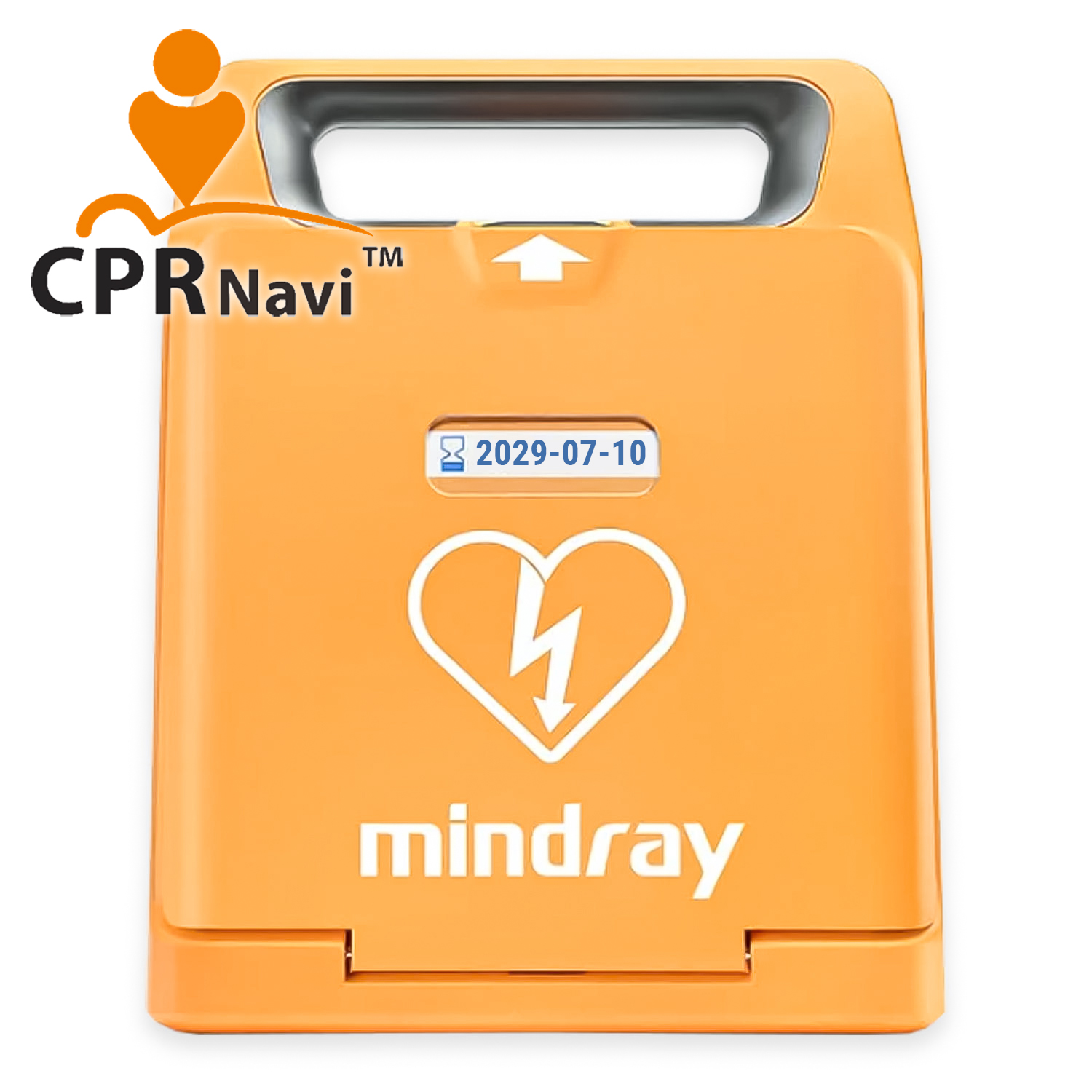
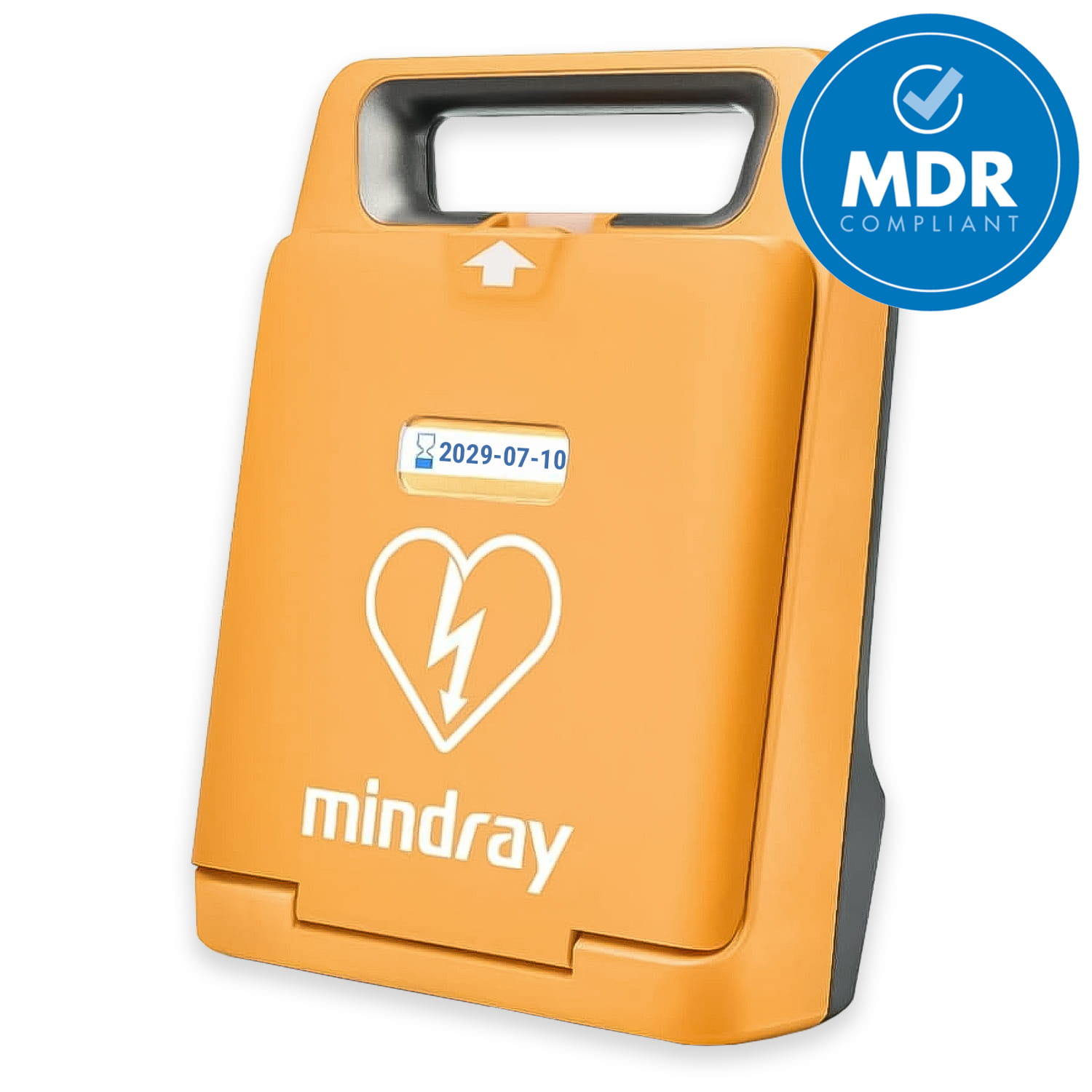
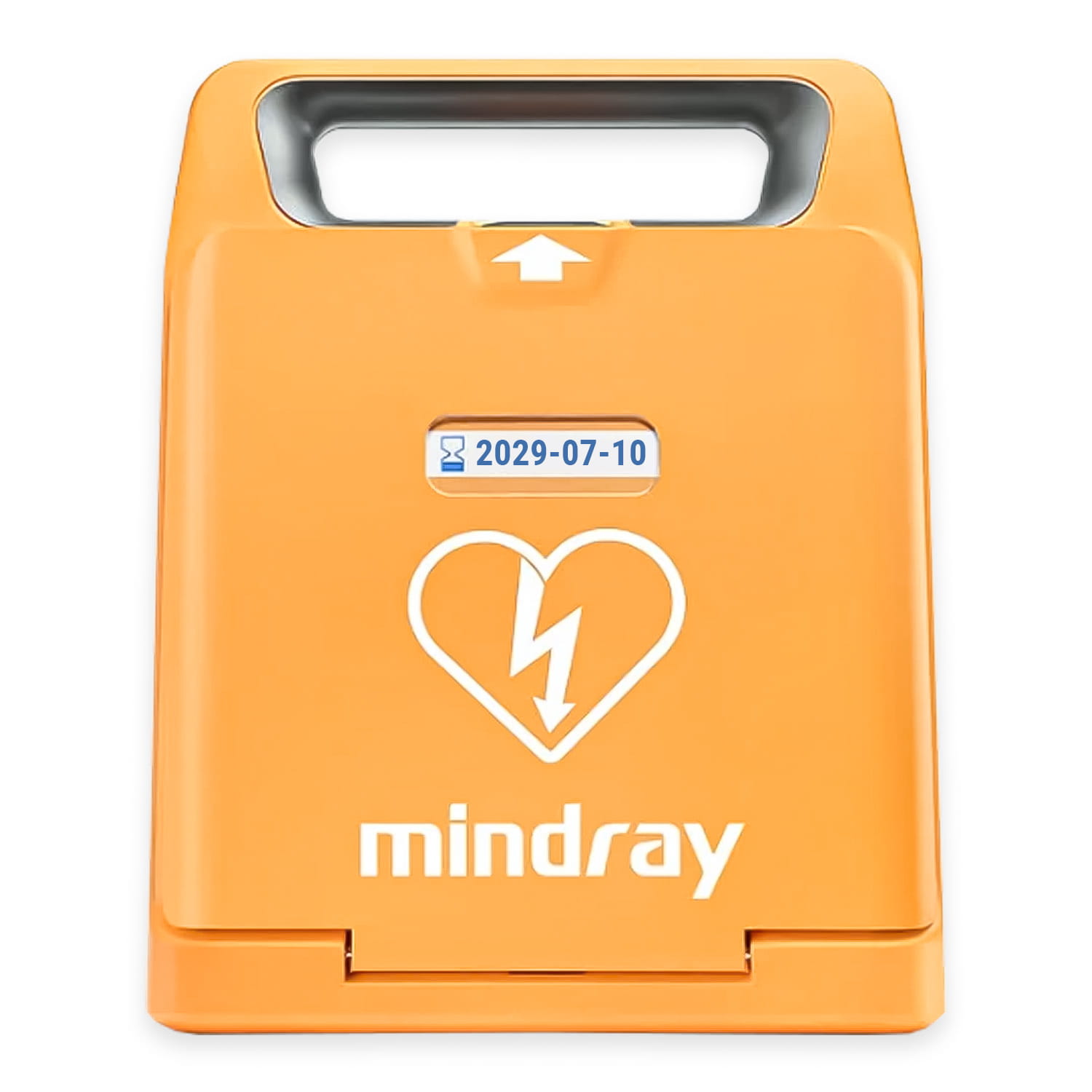
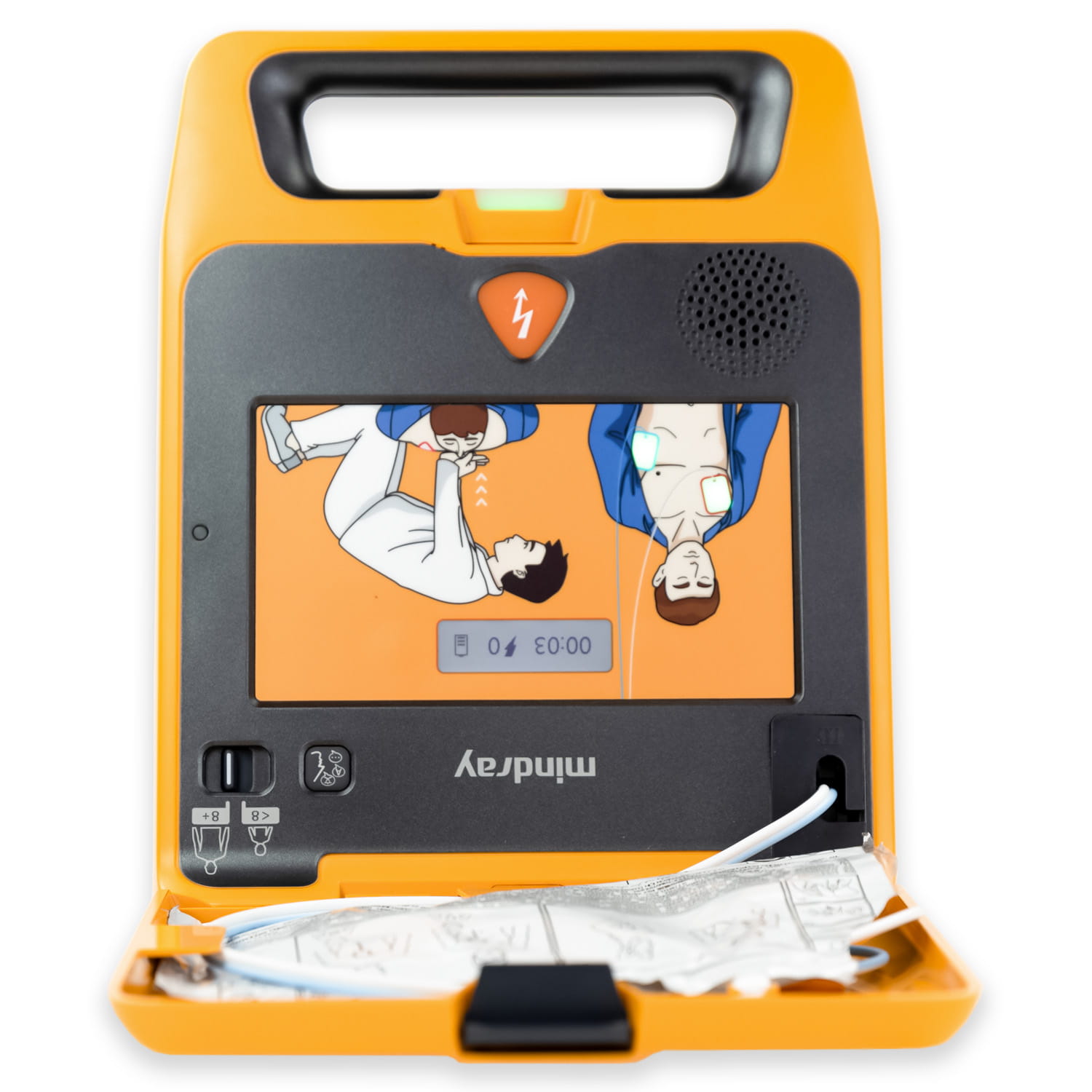
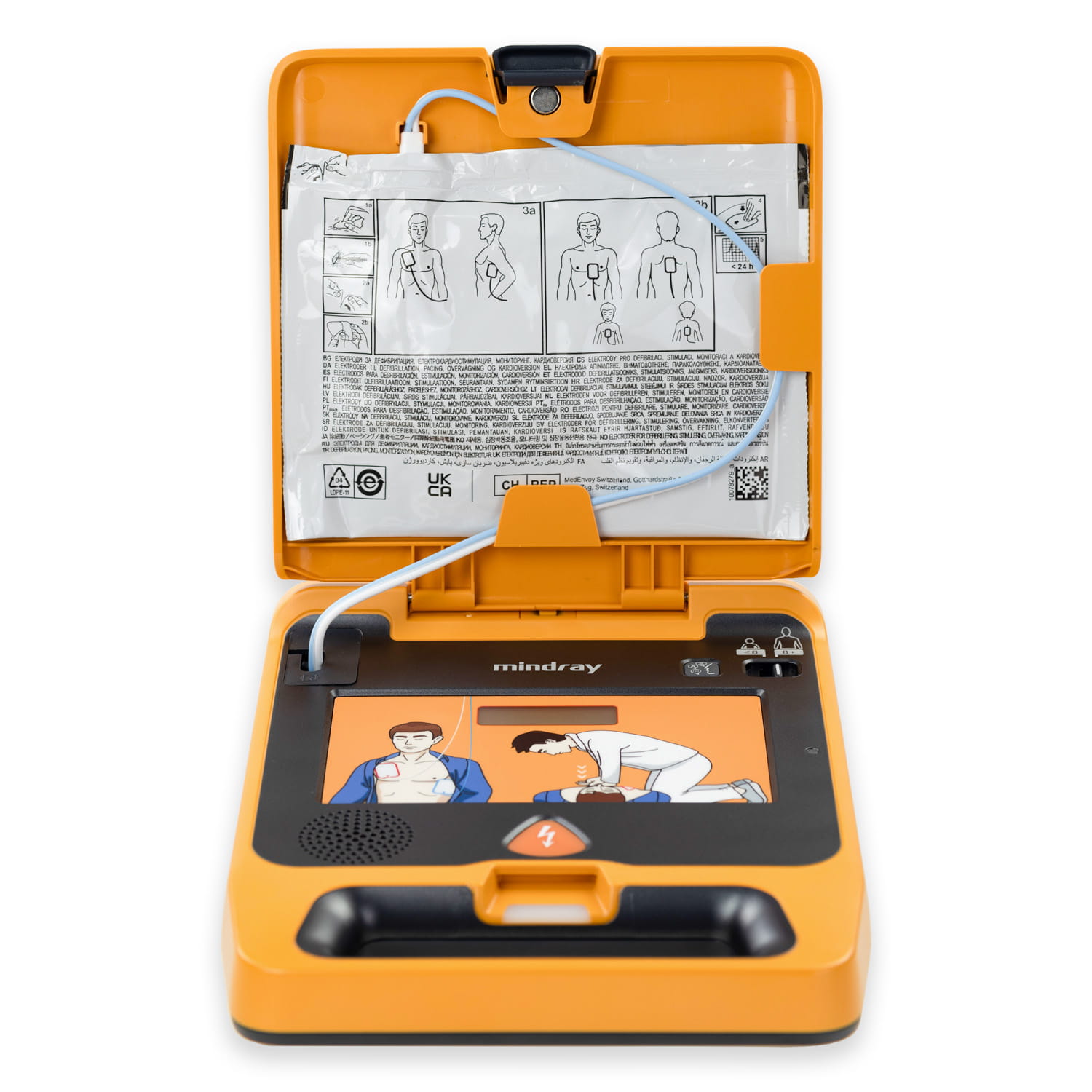
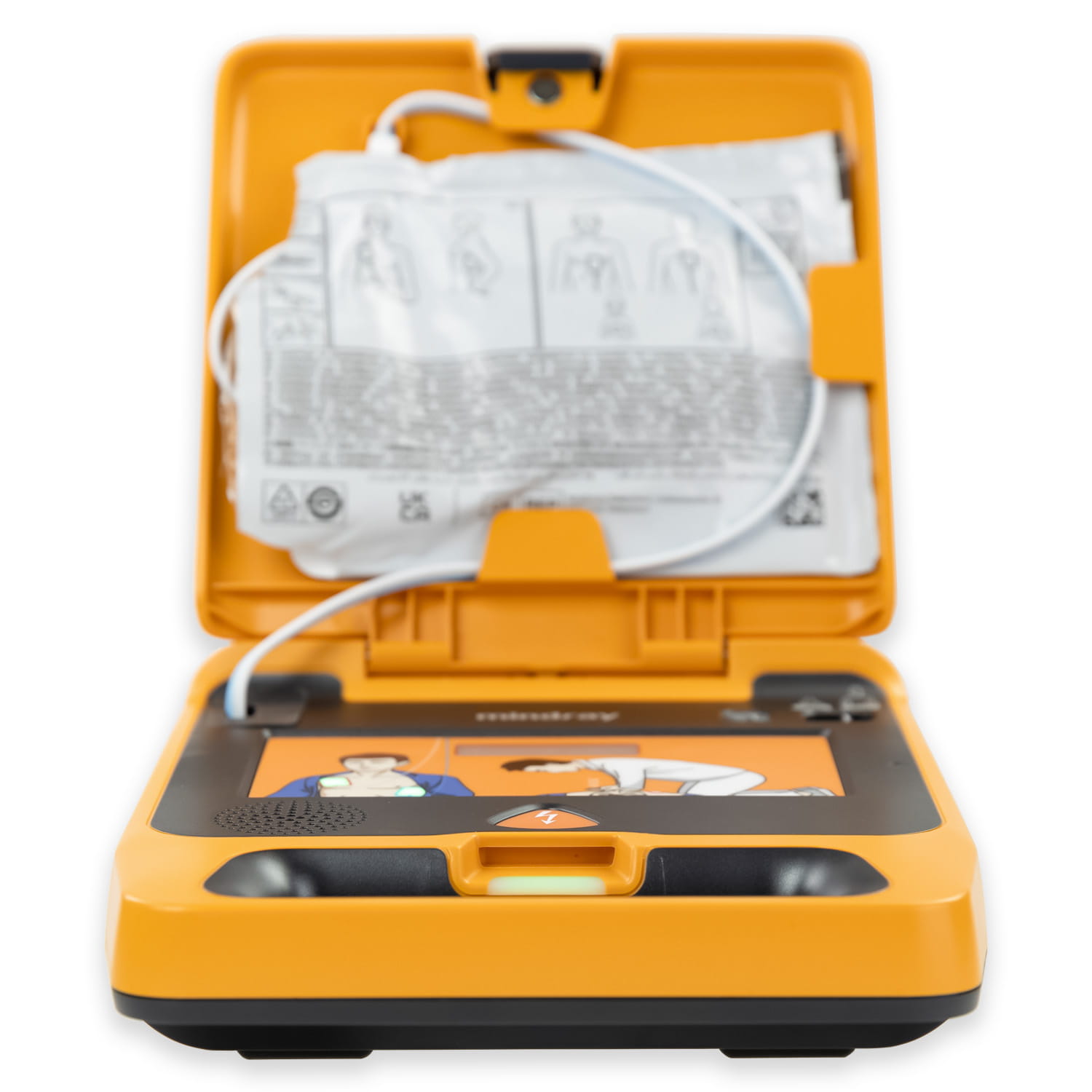
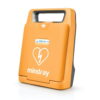
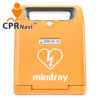
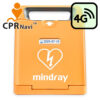
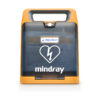
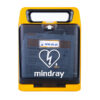
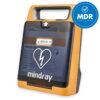
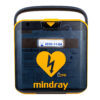
AED defibrillator Mindray BeneHeart C1A is a semi-automatic defibrillator that starts up when the cover is opened. Switching on takes two seconds, ECG analysis five seconds, and the first shock can be delivered in under 8 seconds. Analysis and charging of the shock take place at the same time. The device uses a biphasic waveform with an energy of up to 360 J.
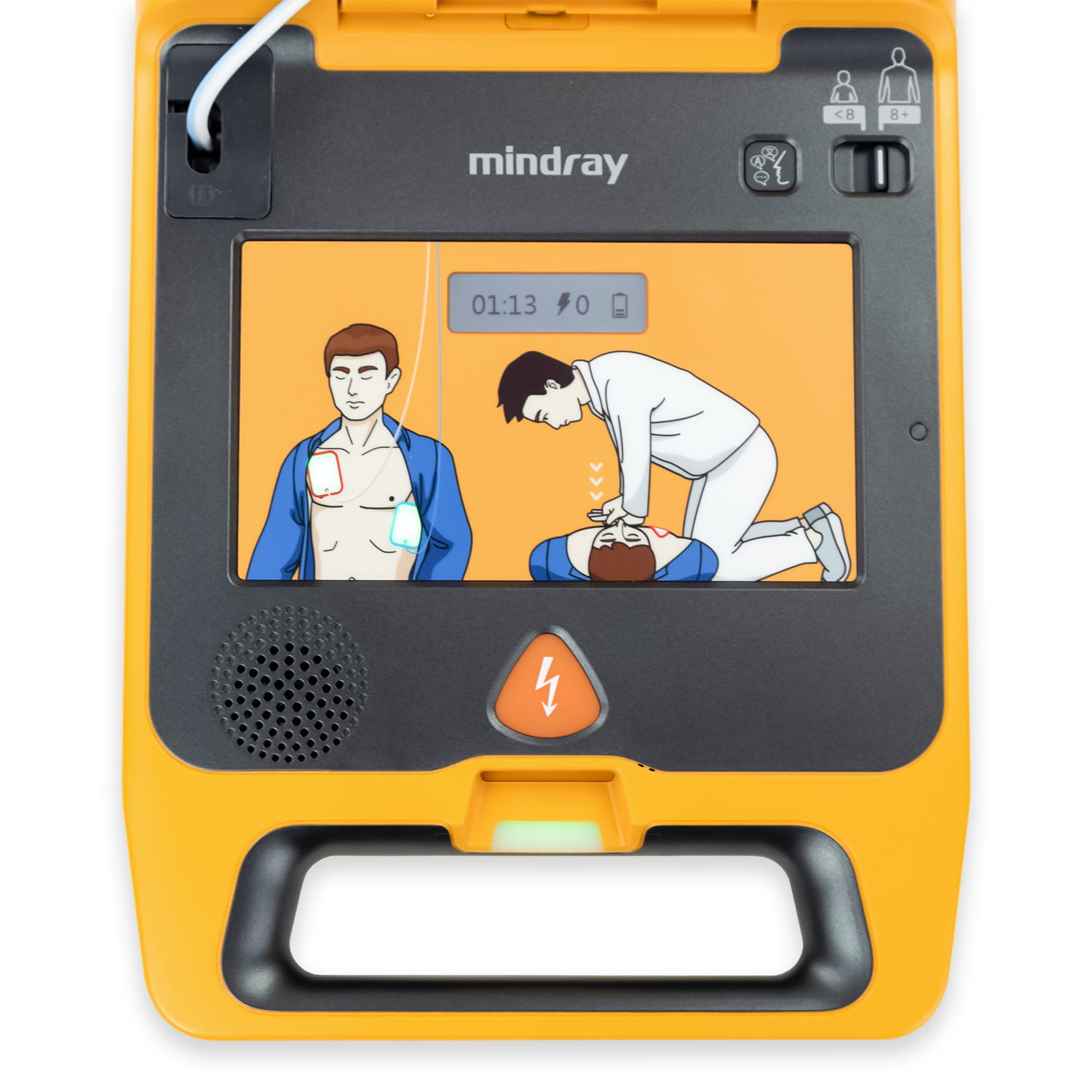
ResQNavi technology adapts the instructions to the user: the device analyses the time spent on successive stages and adjusts the pace and level of prompts. An inexperienced person receives full step-by-step instructions, while a professional receives only the most essential guidance. The CPR Navi function sets the compression rate with a metronome and guides you through CPR with voice and visual messages.
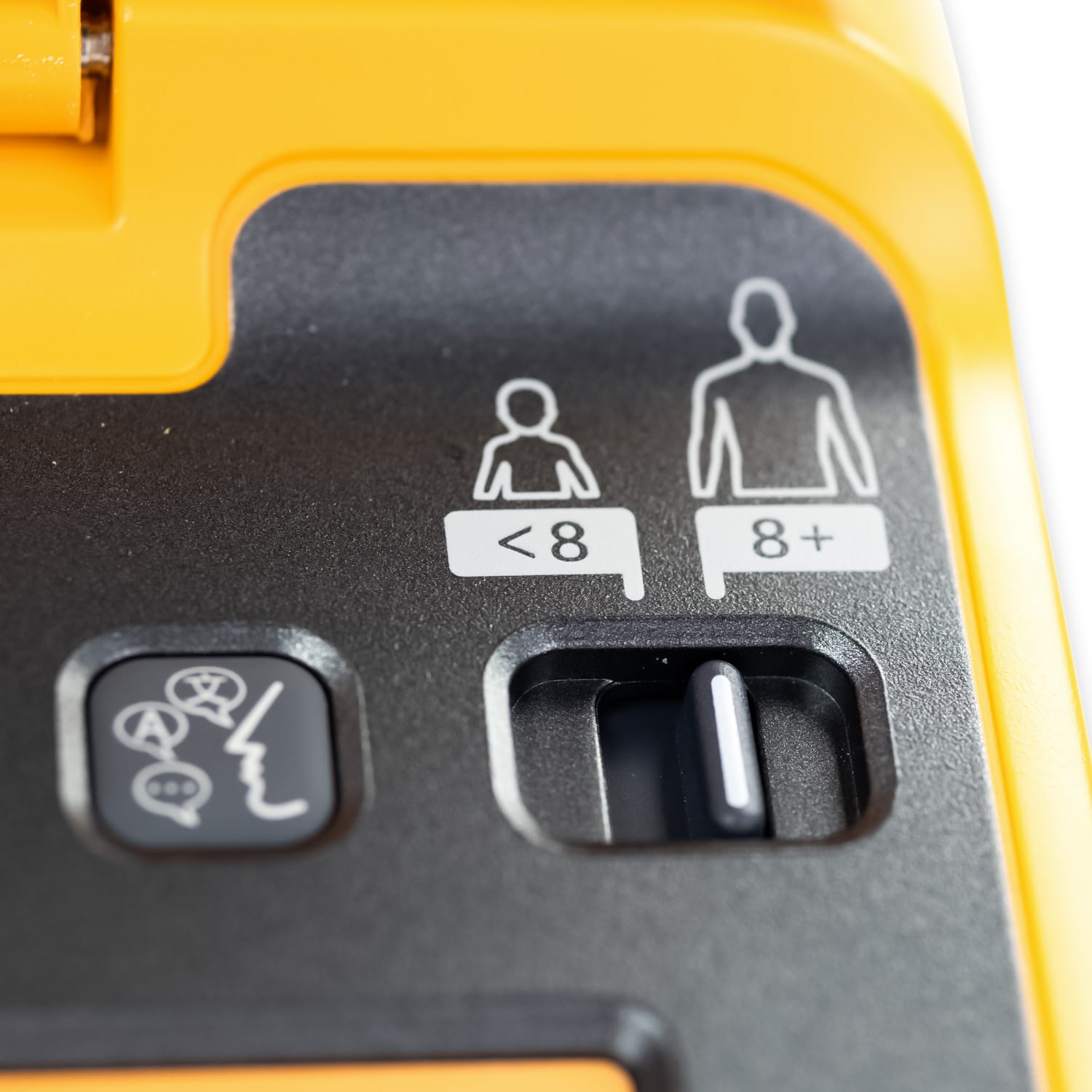
The adult and paediatric pads are pre-connected. Paediatric mode is activated with a switch, and a language button lets you choose one of up to three pre-configured languages. The device is intended for companies, public offices and schools, public spaces and the home. AED defibrillator Mindray BeneHeart C1A guides you through CPR with voice and visual messages, while the metronome sets the rate of chest compressions.
Why choose the AED defibrillator Mindray BeneHeart C1A?
The device monitors its own readiness – it performs an automatic self-test every day, and its rugged housing is resistant to dust, water and drops. Battery and electrode life and operating temperature range are in the “Additional information” tab.
By choosing a Mindray BeneHeart C1A AED defibrillator, you can set one of up to three pre-configured languages using the button on the device.
For many venues, what matters is that the AED can also be used by someone without medical training, and CPR Navi helps maintain the correct compression rate. You can find other models in the category AED defibrillators.
How to use an AED in practice?
First make sure the scene is safe. If the casualty is unresponsive and not breathing normally, call 999 or 112 or ask a bystander to do so, and start chest compressions. As soon as the AED is within reach, open the cover, which switches the power on, and follow the voice instructions. If necessary, switch the device to paediatric mode. Whether the casualty survives may depend on a bystander taking action.
Compress at the rate set by the CPR Navi metronome and follow the voice instructions. You can read more about the device itself in the article Chapter VIII – Automated external defibrillator (AED).
Frequently asked questions (FAQ)
Can the Mindray BeneHeart C1A AED defibrillator be used on children?
Yes. The adult and paediatric pads are pre-connected, and paediatric mode is activated with a simple switch.
How long do the battery and electrodes last?
The battery and pads have a service life of 5 years from the date of manufacture. A daily self-test checks that the device is ready for use.
In what conditions does the device work, and how should it be stored?
The operating temperature range is from -5 °C to 50 °C. For long-term storage, over 7 days, the recommended range is from 15 °C to 35 °C. The device has an IP55 protection rating and has withstood a drop test from a height of 1.5 m.