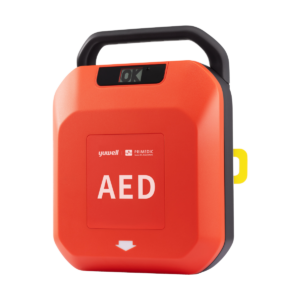
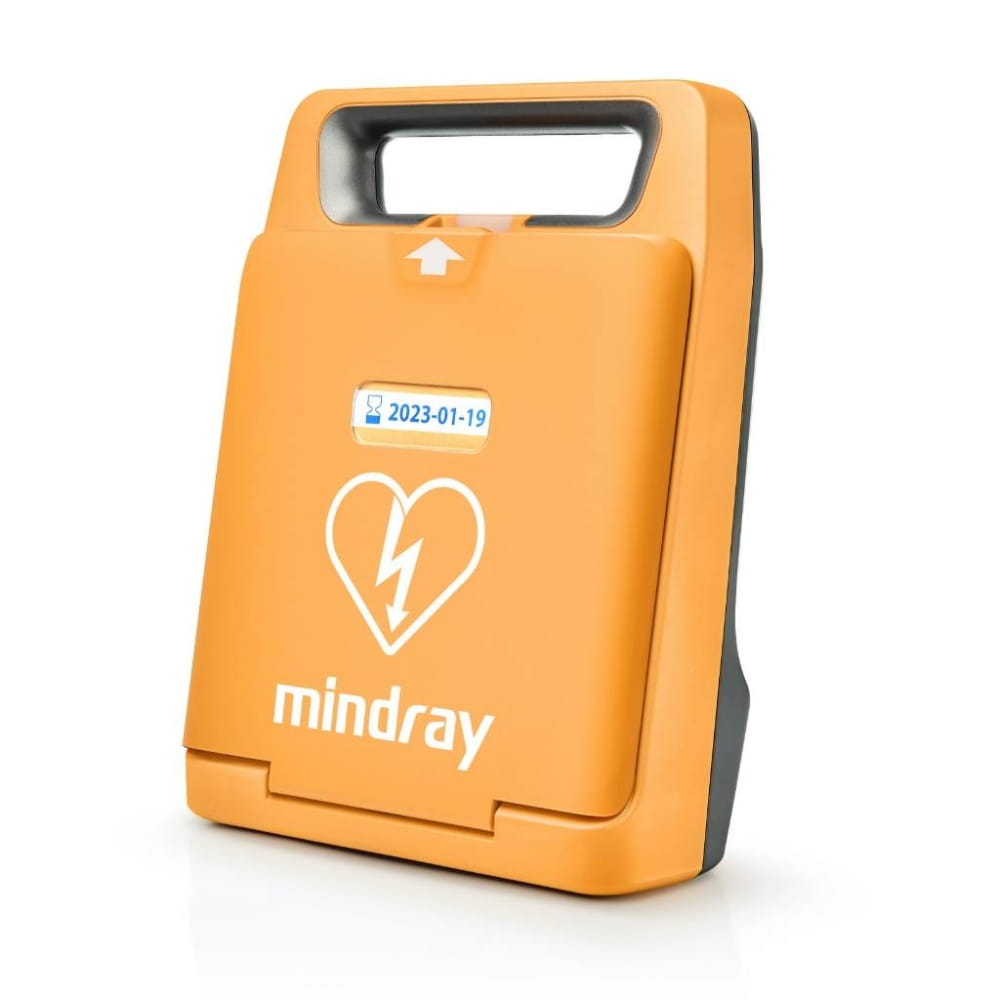
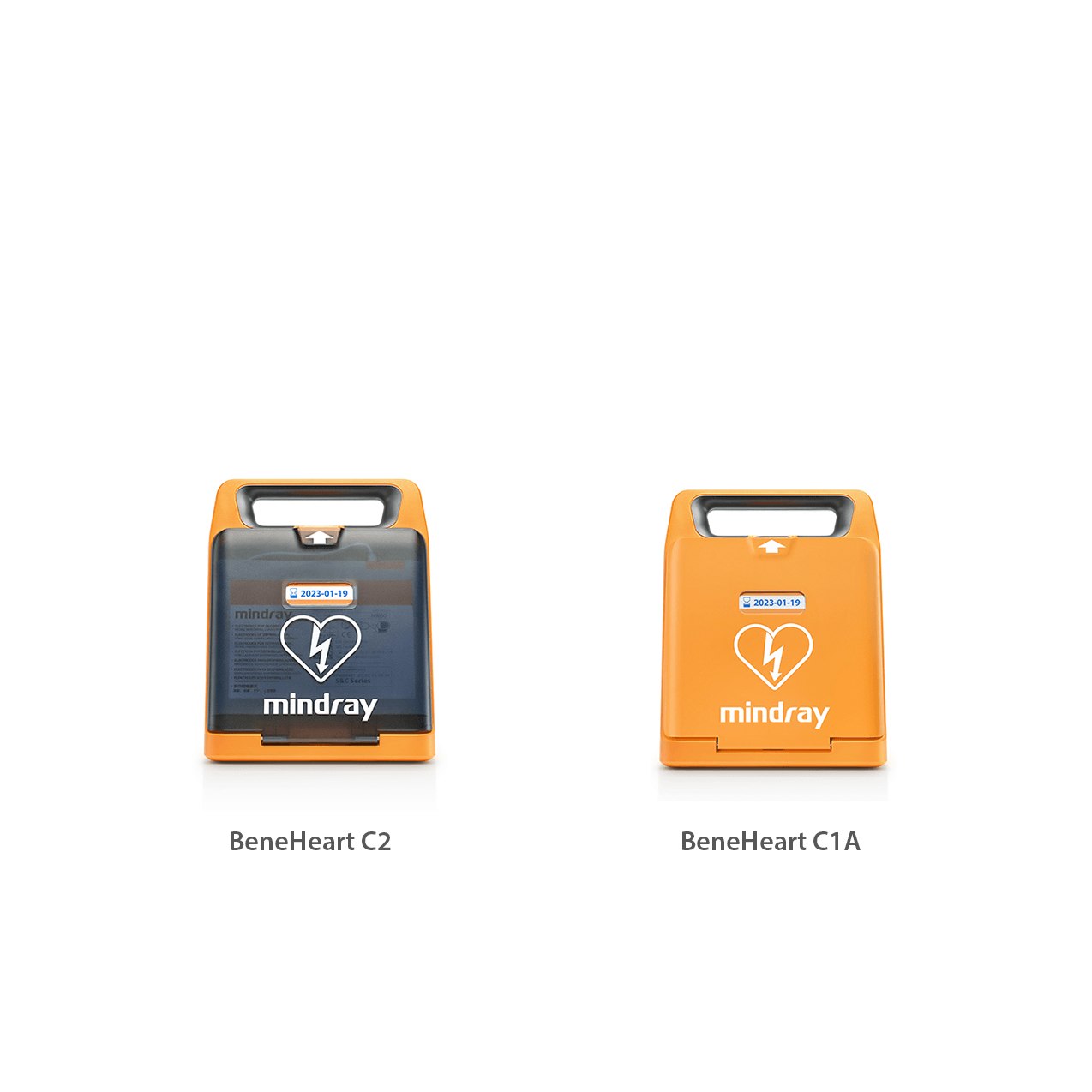
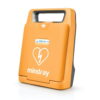
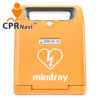
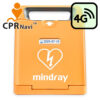
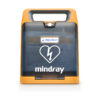
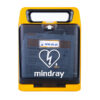
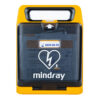
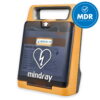
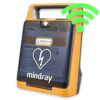
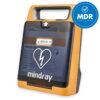
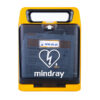
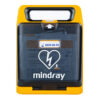
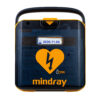
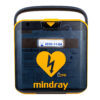
AED defibrillator BeneHeart C1A Wi-Fi is a Mindray device from the C series, used in sudden cardiac arrest (SCA). Once switched on, it guides the person giving aid with voice prompts. ResQNavi technology adjusts the instructions to the user's skills, prompts CPR step by step and assesses performance based on the time spent on each stage.
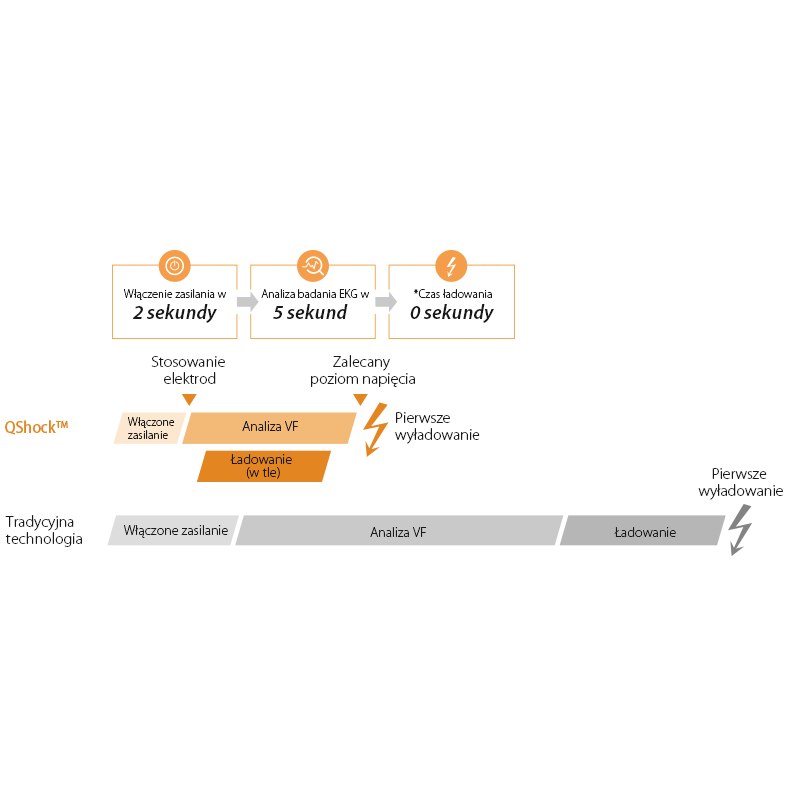
The device switches on in two seconds. ECG analysis is shortened to five seconds and runs while the earlier charging is completed at the same time, and thanks to QShock technology the first shock can be delivered in under eight seconds. The pulse is biphasic, with an energy of 360 J. The adult and child electrodes are pre-connected, and a switch selects adult or child mode.
The language button lets you choose one of up to three pre-configured languages. The Wi-Fi version has a built-in modem that enables remote management of the device. AED defibrillator BeneHeart C1A Wi-Fi has a biphasic pulse with an energy of 360 J.
Why choose the AED defibrillator BeneHeart C1A Wi-Fi?
The Wi-Fi modem connects the device to the AED-Alert 2.0 system, which enables remote and centralised management of defibrillators. The system collects signals from the devices and provides information on the status of each unit. The automatic daily self-test replaces personal checks, so the equipment stays ready for use. The battery and electrode life is up to 5 years. By choosing the AED defibrillator BeneHeart C1A Wi-Fi, you get a device with a daily automatic self-test.
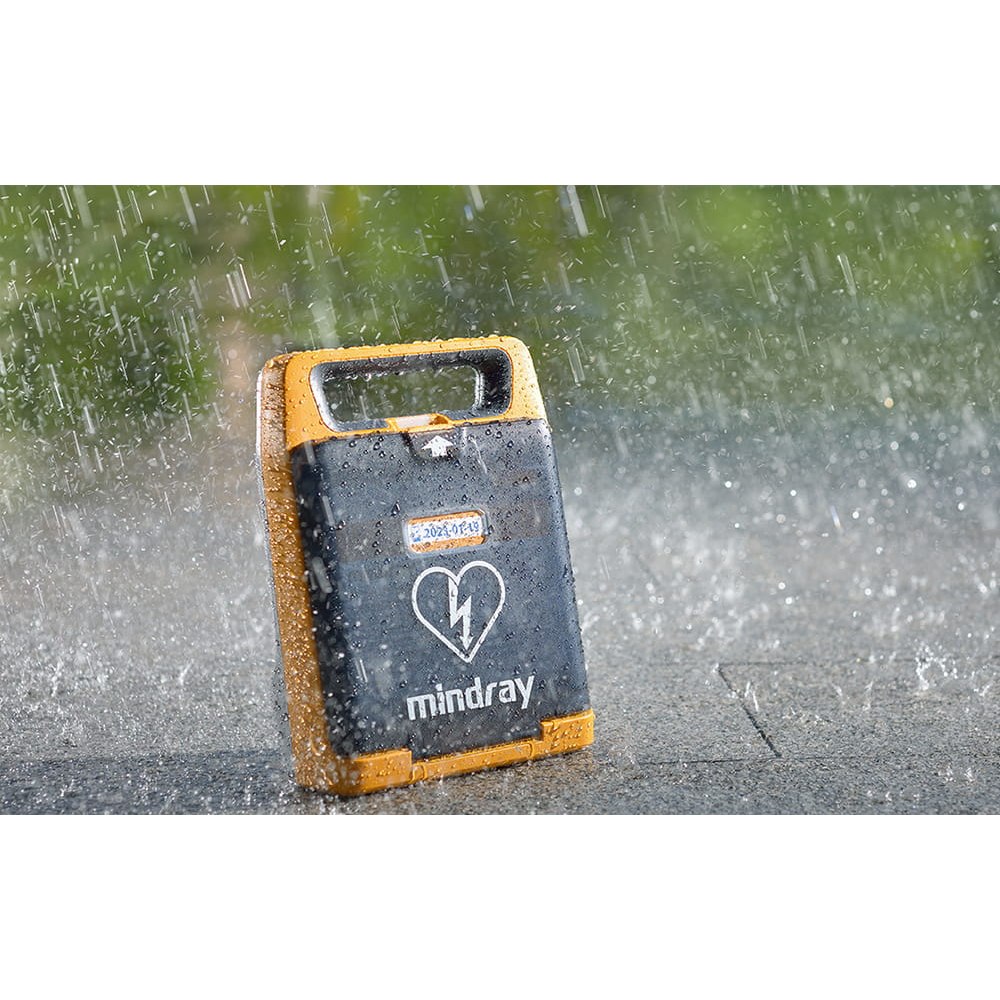
The casing has passed a 1.5 m drop test and has an IP55 protection rating (dust and water). The device weighs 2 kg and its dimensions are 21×28.6×7.8 cm. You can find other models in the category AED defibrillators. AED defibrillator BeneHeart C1A Wi-Fi has an IP55 protection rating and has passed a drop test from a height of 1.5 m.
Rules for using an AED in sudden cardiac arrest
First, make sure the scene is safe. If the casualty is unresponsive and not breathing normally, call 999 or 112 and start CPR. If there are helpers, ask one person to bring the defibrillator. Once it is switched on, follow the voice prompts, check that the switch is set to adult or child mode, and use the pre-connected electrodes.
A casualty's survival may depend on a bystander taking action, so it is worth knowing how to use the device before an emergency occurs. You can read more in the article Chapter VIII – Automated external defibrillator (AED).
Frequently asked questions (FAQ)
How quickly is the device ready to deliver a shock?
Switching on takes two seconds, ECG analysis five seconds, and the first shock can be delivered in under eight seconds thanks to QShock technology.
Do I need to prepare child electrodes separately?
No. The adult and child electrodes are pre-connected, and the mode is selected with the adult/child switch.
What is the Wi-Fi modem for?
It enables connection to the AED-Alert 2.0 system, i.e. remote and centralised management of devices and a view of the status of each unit.